Global Leaders Ditch Trump Amidst Escalating War Fears
Global leaders are publicly distancing themselves from Donald Trump's aggressive foreign policy, particularly concerning the Middle East conflict. This shift signals a changing world order and growing economic concerns for citizens worldwide, as seen in rising fuel prices and rental costs.


Global Leaders Ditch Trump Amidst Escalating War Fears
Something significant is happening on the world stage. Major leaders are publicly distancing themselves from Donald Trump’s stance on international conflicts, particularly the war in the Middle East. This isn’t just political theater; it’s a clear sign of a changing global order and a potential economic crisis brewing for everyday people.
UK Prime Minister’s Bold Stance
United Kingdom Prime Minister Keir Starmer recently stated, “This is not our war. We will not be drawn into the conflict. That is not in our national interest.” He emphasized that the best way to help with the cost of living in Britain is to push for peace in the Middle East. This is a stark contrast to the aggressive approach favored by Donald Trump and Israeli Prime Minister Netanyahu, who seem to favor continued escalation.
Australia’s Leader Explains Economic Pain
The Prime Minister of Australia also addressed his nation, explaining the real-world impact of the Middle East conflict. “The war in the Middle East has caused the biggest spike in petrol and diesel prices in history,” he told Australians. He acknowledged that while Australia isn’t directly fighting, everyone is paying more for fuel and goods. This directly affects farmers, truck drivers, small businesses, and families, who are all struggling with higher costs.
Why This Matters
When leaders like Starmer and the Australian Prime Minister speak out, it shows a deliberate effort to separate themselves from what they see as a dangerous and economically damaging path. They are trying to protect their own citizens from the fallout of a war they don’t believe is in their national interest. This public distancing suggests that supporting Trump’s aggressive foreign policy could become a political liability for leaders around the world, especially with upcoming elections.
Echoes of Past Economic Discontent
This situation is reminiscent of the public’s reaction to the COVID-19 pandemic. Many voters held their leaders responsible for the economic hardships caused by the pandemic, even if the leaders weren’t directly responsible for the virus itself. Now, Trump’s actions and the resulting global economic instability could lead to similar anti-establishment voting trends. People are feeling the pinch at the gas pump and the grocery store, and they may blame the leaders who align themselves with policies that worsen these issues.
Trump’s Threat to NATO and Allies
Adding to the tension, Donald Trump has threatened to withdraw US support from NATO, a key defensive alliance. He has also made statements suggesting he might not come to the aid of allies like the UK. This comes as Trump claims NATO hasn’t been there for the US, pointing to Ukraine as an example. However, historical context shows that US allies, including those in Europe and Canada, have supported the US, particularly after 9/11, with many soldiers losing their lives.
“The NATO is simply about us having troops in Europe to defend Europe. But when we need their help, not their help, we’re not asking them to conduct air strikes. When we need them to allow us to use their military bases, their answer is no. Then then why are we in NATO? You have to ask that question.”
– Senator Marco Rubio
Misunderstanding NATO’s Purpose
Some political figures, like Senator Marco Rubio, are questioning NATO’s purpose, suggesting it’s only about defending Europe. This perspective overlooks NATO’s core function as a defensive alliance. Article 5 of the NATO treaty is triggered for collective defense, not for offensive missions into conflicts like the one in the Middle East. Critics argue that politicians like Rubio understand NATO’s true purpose but are choosing to publicly misrepresent it for political gain, aligning themselves with the MAGA movement despite their personal beliefs.
Economic Consequences: Rising Gas Prices
The impact on everyday citizens is undeniable. One Florida resident described the economy as “messed up,” highlighting a $2,600 monthly rent payment before even considering other rising costs. Gas prices have seen a significant spike, moving from around $3 per gallon to potentially reaching $170 per barrel of oil. This increase in diesel prices creates a ripple effect, raising the cost of transportation for goods and services, leading to further inflation and economic strain on families.
Future Outlook: Shifting Alliances and Economic Uncertainty
The current geopolitical climate suggests a significant shift in global alliances and a period of economic uncertainty. World leaders are increasingly prioritizing their own national interests and the economic well-being of their citizens. This divergence from a more unified, US-led foreign policy under Trump could lead to a more fragmented global structure. The rising cost of energy and goods will likely continue to be a major concern for populations worldwide, potentially shaping political outcomes in the near future.
Source: Something big is happening… (YouTube)

Related Articles


Israelis Mark Passover Amid War, Iran Strikes Cloud Holiday
Israelis commenced their Passover Seder amidst a significant escalation with Iran, facing air raid sirens and seeking shelter during the holiday feast. While the government cites national security, many citizens express war fatigue and anger over the ongoing conflict's disruption to normal life and traditions.

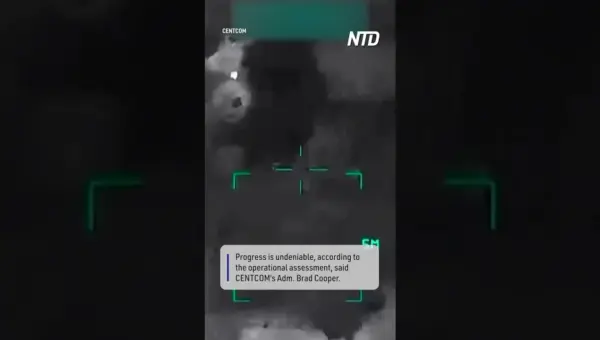
US Strikes Iran: Escalation Fuels 5th Week of Conflict
The U.S. Central Command released video footage of airstrikes targeting Iran, marking the fifth week of conflict. This action underscores the ongoing military engagement and highlights the complex, long-standing tensions between the two nations. The release of combat footage serves strategic communication purposes in modern warfare.
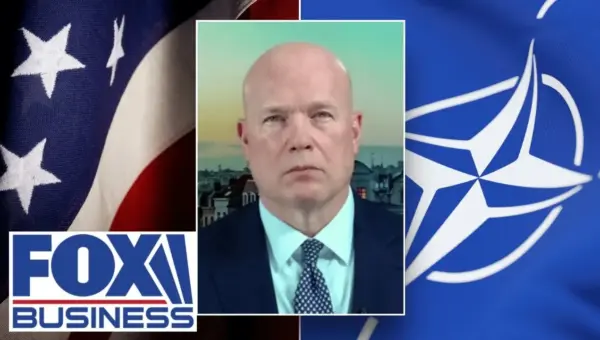
US Urges Allies to Secure Oil Routes, Rethinks NATO Role
The U.S. is shifting responsibility for securing the Strait of Hormuz oil passage to allied nations heavily reliant on the trade. Ambassador to NATO Matthew Whitaker emphasized that while the U.S. has achieved energy independence, allies must now step up. The future of the NATO alliance is also under review, with the U.S. seeking a more balanced partnership.