Global Fuel Crisis Looms: 10% Demand Gap Sparks Soaring Prices
Nearly 10% of global fuel demand is currently unmet, leading to a "crisis a day" and soaring oil prices. Experts warn of looming diesel and jet fuel shortages, particularly in Europe and Asia, with potential for significant economic disruption. The crisis is exacerbated by geopolitical tensions and a lack of preparedness, raising concerns about a potential recessionary impact.

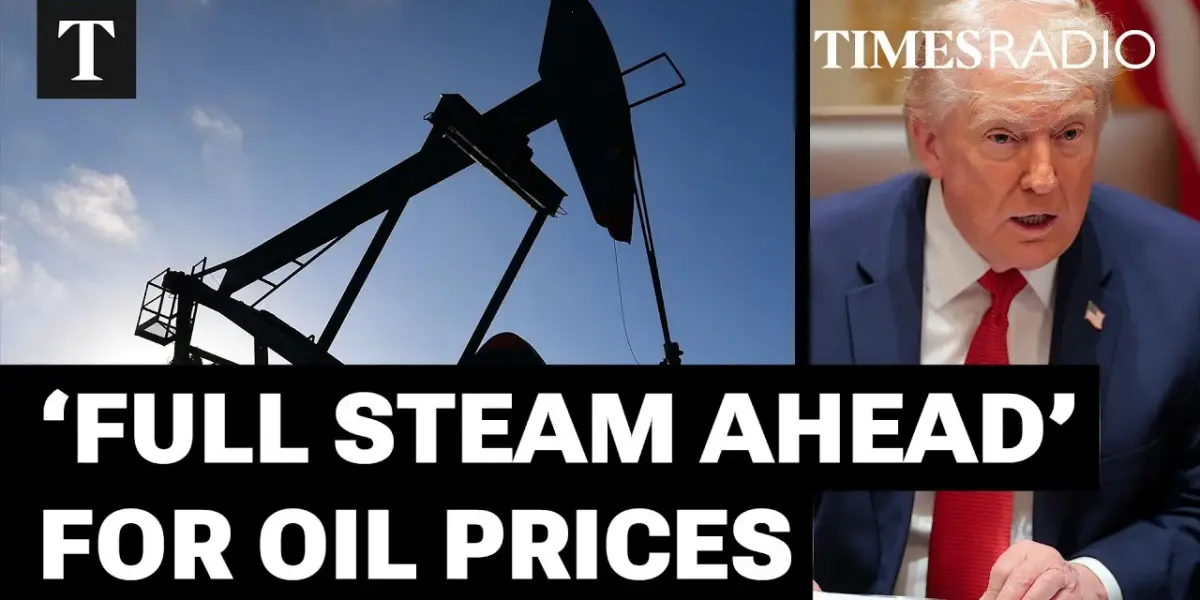
Fuel Prices Skyrocket Amidst Global Shortage
The world is facing a significant fuel crisis, with nearly 10% of global demand currently unmet. This dramatic shortfall, described as a “crisis a day,” is sending shockwaves through energy markets and threatening widespread economic disruption. Brent crude oil prices have surged past $115 a barrel, more than doubling from just over $60 when the current geopolitical tensions began. Experts warn that the full impact is yet to be felt, with potential shortages of diesel and jet fuel looming, especially in Europe and Asia.
Geopolitical Tensions Escalate Fuel Market Volatility
Recent escalations over the weekend have intensified the crisis. Attacks on Russian refineries and ports, coupled with Houthi actions in the Red Sea that disrupt shipping routes, are significantly constricting global fuel supplies. The prime minister of the UK is set to meet with energy, shipping, and insurance leaders to discuss the economic fallout and potential government responses to rising fuel costs. Despite current price increases at the pump, experts predict much higher prices and possible shortages as early as next month.
Asia’s Warning: Europe Faces Price Surge
The situation in Asia serves as a stark warning for Europe. Diesel and jet fuel prices in Asia are currently around $250 per barrel, a significant $75 per barrel higher than equivalent diesel prices in Europe. Greg Newman, CEO of Onyx Capital Group, an energy and oil trading firm, explains that in a globally connected market, Europe is likely to see similar price increases. He estimates that diesel prices at the pump in the UK could reach around £2.30 to £2.35 per liter if European prices align with Asian levels. This projected rise underscores the interconnectedness of global energy markets and the ripple effect of supply disruptions.
Diesel and Jet Fuel: The Economy’s Lifeline
The impact of rising diesel and jet fuel prices extends far beyond transportation. Diesel is a critical component in nearly every aspect of modern commerce, from logistics and delivery services to the cost of raw materials. Newman emphasizes that diesel is the most inelastic product in the oil market, meaning demand remains consistently high because economies cannot simply halt operations. This consistent demand, combined with supply shortages, guarantees that prices will continue to climb. He warns that if prices become too high, it could lead to demand destruction, causing severe hardship for consumers and potentially triggering a recessionary and global financial crisis.
“Diesel is in everything. Transport, Amazon deliveries, everything we do. It impacts the price of materials even. It’s just incredibly important to our economy and I think the world… underappreciates that.” – Greg Newman, CEO, Onyx Capital Group
Underestimation of the Crisis Fuels Concern
There is a growing concern that the enormity of the situation is being underestimated, not just by the public but also by governments and financial institutions. Newman notes that even major fund managers seem unconcerned, operating under the assumption that fuel demand has decreased significantly and that the current crisis will be short-lived. However, he strongly disagrees, pointing to warnings from the CEO of Shell about the difficulty of supplying diesel to Europe. Europe’s reduced refining capacity further exacerbates the problem, making it reliant on imports and requiring higher prices to incentivize global traders to supply the region.
Refinery Closures and Future Outlook
Even if geopolitical conflicts were to cease immediately, the path to recovery remains challenging. Many European countries, including the UK, have closed numerous refineries, limiting their ability to produce essential refined products. This reduced domestic production capacity means that Europe will likely face a difficult spring and summer, even with potential peace. Newman highlights that Iran, a significant player in the energy market, has targeted key infrastructure, including refineries, which adds another layer of complexity. The current situation suggests that the global fuel market is in for a prolonged period of volatility and high prices.
What’s Next?
As global fuel supplies remain tight and geopolitical tensions persist, all eyes will be on how governments and industries respond to the escalating crisis. The coming weeks will be crucial in determining whether preventative measures can be implemented to mitigate the economic fallout. Continued monitoring of supply chain disruptions, refinery outputs, and international diplomatic efforts will be essential in understanding the trajectory of fuel prices and their broader impact on the global economy.
Source: ‘A Crisis A Day’: 10% Of Global Fuel Demand Goes Lacking | Greg Newman (YouTube)

Related Articles


US Faces Shifting Alliances Amidst Iran Tensions
Former President Trump's statements on Iran and international conflicts highlight shifting geopolitical alliances and strategic uncertainties. Meanwhile, Iran mobilizes for a potential U.S. ground operation, facing logistical hurdles and an unclear U.S. strategy. European support for Ukraine also faces challenges, with Hungary's stance and U.S. reliability impacting aid.


BRICS Faces Internal Conflict After Iran-UAE Tensions
BRICS, a group of 10 emerging nations, is grappling with internal conflict following the recent expansion that included Iran and the UAE. The escalation of tensions between these two members challenges the group's consensus-based decision-making. BRICS is currently relying on quiet diplomacy and an 'agree to disagree' approach to manage the crisis and avoid a split.
Oil Prices Surge Amid Iran Tensions: What’s Next?
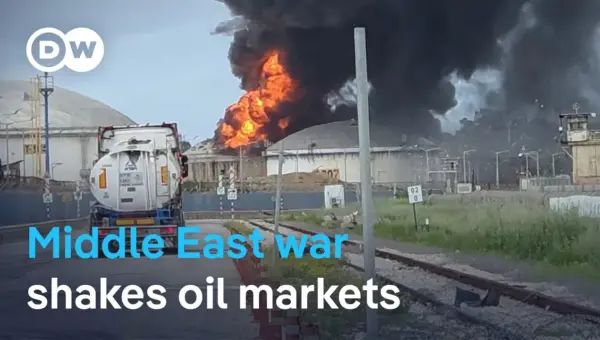
Rising tensions in the Middle East have sent oil prices soaring, with Brent crude surpassing $116 a barrel. Experts point to actual supply shortages, exacerbated by potential blockades of the Strait of Hormuz and damage to infrastructure. Diversification of supply routes and energy sources are highlighted as crucial for future market resilience.