Global Food Crisis Looms as Supply Chains Fracture
Global food supply chains are fracturing, leading to a predicted crisis by 2026. Disruptions in fertilizer availability and rising costs, partly linked to international conflicts and U.S. actions, threaten crop yields worldwide. This interconnected crisis will likely result in significant price increases and food insecurity, impacting even developed nations.

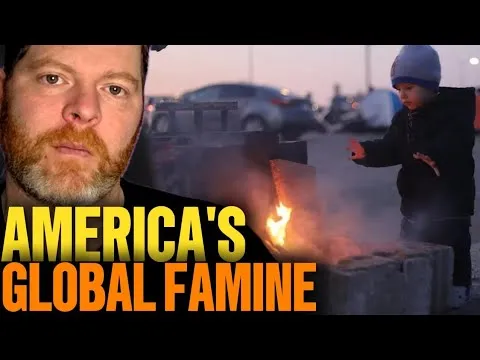
Global Food Crisis Looms as Supply Chains Fracture
U.S. Actions Trigger Widespread Food Insecurity
The world may face a severe food crisis by 2026. This is not an exaggeration, but a direct result of global supply chain disruptions. The United States’ actions have played a significant role. These actions are predicted to cause acute food insecurity for 45 million people this year alone. This crisis stems from issues with fertilizer, a key ingredient for growing crops. Many regions worldwide rely on this fertilizer for their food supply. Without it, or with fertilizer costing too much, crop yields will drop.
Fertilizer Shortages Drive Up Costs
The global maritime shipping system is currently struggling. This has caused the price of urea fertilizer to jump by 28%. Another type, MAP fertilizer, now costs over $800 per ton. The cost of European natural gas, which is used to make fertilizer, has also surged by 75%. These high costs make it difficult for farmers to buy and use the fertilizer they need. Even if current conflicts end, the backlog of ships will take weeks to clear. This means the damage to the food supply chain is already done.
Agriculture’s Tight Schedule
Farming follows a strict biological clock. For the large planting season in the Northern Hemisphere, farmers have only a 30 to 45-day window to fertilize the soil. If they miss this time, the crops will not grow well, leading to lower yields. This is a matter of basic science. The current disruptions mean this critical window may be missed for many farmers around the world.
Global Impact: Beyond the Battlefield
While many focus on conflicts in the Middle East, the real impact is on global food supplies. The reduction in the world’s total calories available will lead to widespread hunger. This is not a natural disaster; it is seen as a result of greed and poor decisions. For people in the United States, Canada, Mexico, and Europe, the effects will be felt in grocery stores. Prices are expected to rise significantly, possibly by 30-45% by the end of 2026. This comes at a time when many are already struggling with the high cost of living.
Interconnectedness of the Food System
The global food system is highly connected. If farmers in Brazil cannot afford enough fertilizer, they may grow 20% less soy. This soy is crucial for the European pork industry. A shortage of soy means higher prices and less pork in Europe. Similarly, lower coffee yields due to fertilizer shortages will drive up coffee prices. Companies will pass increased costs, like higher diesel prices, onto consumers. This could mean paying much more for everyday items, including a simple cup of coffee.
The Era of Insulation is Over
The idea that consumers in wealthy nations are protected from global problems is a myth. American inflation is now affecting prices worldwide. Global inflation is already rising. As conflicts continue and disrupt growing seasons, the global food supply will shrink further. This will cause governments to panic and try to secure food for their citizens. Countries like Russia and China have already stopped exporting fertilizer, anticipating future shortages.
Competition and Corporate Power
When crop yields are lower, governments may face shortages and social unrest. They might turn to international markets for staples like wheat. This can lead to bidding wars, where countries pay much higher prices to ensure they have enough food. Even in countries with strong domestic agriculture, corporations often control food distribution. These corporations tend to sell to the highest bidder, meaning food may not stay within a nation if a better offer exists elsewhere. This dynamic means borders and walls will not protect citizens from rising food prices.
Preparing for the New Reality
The situation is serious, and it is important to prepare. While panic buying is not advised, stocking up on non-perishable items is a sensible step. This is not just about individual survival but about strengthening communities. In the past, communities relied on each other for food security. We have lost touch with where our food comes from and the realities of lean seasons. The current crisis highlights the fragility of our global food system and the need for greater local resilience.
A Warning for Global Leaders
The potential for global hunger should concern leaders worldwide. While people react strongly to visible violence, the slow burn of starvation can lead to deeper anger and instability. The global food supply is set to decrease significantly in 2026 and 2027. The longer conflicts persist, the more growing seasons will be missed, and the fewer calories will be available for everyone. This is not a distant possibility; it is a reality unfolding now.
Source: It’s Already Too Late: The 2026 Global Food Crisis (YouTube)

Related Articles

Ukraine Strikes Cripple 40% of Russia’s Oil Exports
Ukraine's drone attacks have crippled 40% of Russia's oil export capacity, impacting 2 million barrels daily. This strategic targeting of infrastructure, combined with global market shifts, creates significant economic pressure on Russia, despite temporary price advantages.
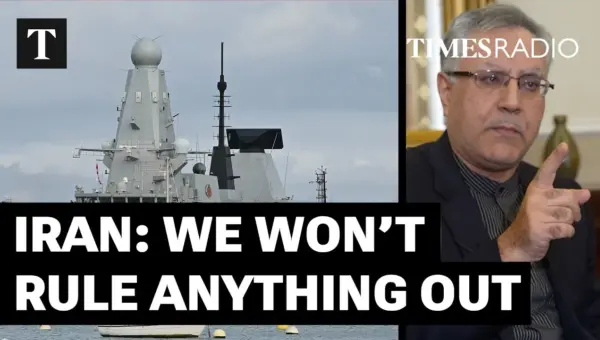
Iran Warns UK: Military Bases Could Be Legitimate Targets
Iran's ambassador to the UK has warned that British military bases could become legitimate targets if British assets are used against Iran. The comments come amid rising tensions, with Iran citing aggression from the US and Israel as justification for its defensive stance and potential retaliation. The ambassador also discussed issues of trust, the potential for diplomatic solutions, and Iran's nuclear program.

US Mulls Iran Ground War Amid Shifting Alliances
The U.S. military is preparing for potential ground operations in Iran, even as President Trump signals a willingness to end the conflict without fully securing the Strait of Hormuz. U.S. forces are conducting extensive strikes, while key European allies deny access to their airspace, creating significant diplomatic friction.