Global Economy Rewritten: 10 Decisions That Changed Everything
From trade wars to the birth of the internet, discover the ten pivotal economic decisions that reshaped our world. These choices didn't just move markets; they redefined global commerce and influenced economies for generations.

Global Economy Rewritten: 10 Decisions That Changed Everything
Some choices echo through history, reshaping not just markets but the very fabric of how we live and trade. A recent look at economic decisions reveals ten pivotal moments that didn’t just shift industries but permanently altered the global economic scene. From trade wars to technological leaps, these choices have defined our modern world.
10. The US-China Trade War
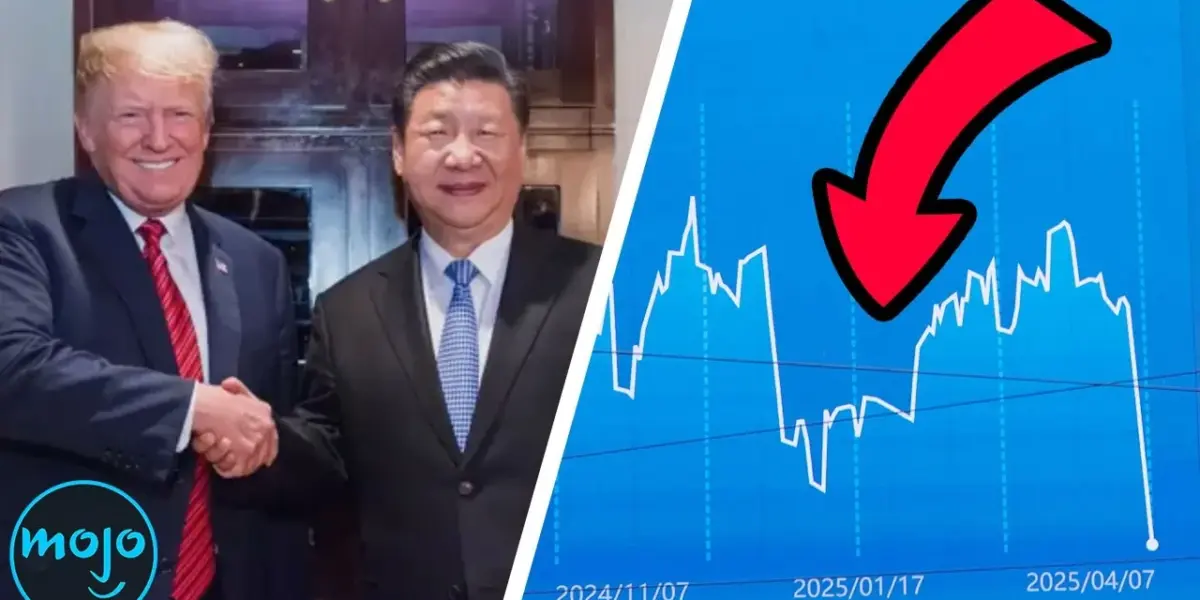
The economic relationship between the United States and China took a sharp turn in 2018 when the U.S. imposed tariffs on billions of dollars worth of Chinese goods. This move, aimed at addressing trade imbalances and intellectual property concerns, sparked immediate retaliation from China. The trade war disrupted established global supply chains, built over years of close economic ties. It highlighted how connected modern economies are, showing that even distant industries can feel the effects. The ongoing negotiations and disputes continue to shape global trade strategies and discussions about economic resilience.
9. Microsoft Licenses MS-DOS
In the early days of personal computers, IBM needed an operating system. Bill Gates and Microsoft made a crucial decision: instead of selling their MS-DOS software outright, they licensed it. This meant Microsoft kept ownership rights and could sell the software to other computer makers. This strategy turned MS-DOS into the standard for PCs worldwide and propelled Microsoft to become a dominant force in the tech industry. The company’s revenue soared, and this choice laid the foundation for today’s massive software economy, proving that intellectual property could be incredibly valuable.
8. Toyota Embraces Lean Manufacturing
Facing limited resources after World War II, Toyota developed a unique production system. Instead of simply copying Western mass production, they focused on eliminating waste and improving efficiency. This philosophy, known as lean manufacturing, introduced concepts like ‘just-in-time’ inventory. Toyota’s approach allowed them to operate with tighter budgets and produce goods more effectively. These lean principles have since become best practices not only in the auto industry but also in fields like healthcare and software development, changing how goods are produced globally.
7. Ford Launches the Model T
Before Henry Ford, cars were expensive luxury items. When Ford introduced the Model T in 1908, he also brought the assembly line to car manufacturing. This innovation standardized production and dramatically lowered costs, making car ownership possible for average families. The widespread adoption of the Model T reshaped cities, transportation systems, and job markets, leading to the growth of new industries like road construction and tourism. Ford’s success showed how mass production could transform society and has influenced consumer culture and mobility ever since.
6. Great Britain Leaves the European Union (Brexit)
In 2016, the United Kingdom voted to leave the European Union in a decision known as Brexit. This vote led to years of complex negotiations that reshaped the UK’s trade relationships and introduced new regulations. The British pound saw significant fluctuations, and businesses had to adjust their supply chains. Brexit highlighted the deep economic connections within Europe and required new agreements for trade, labor, and financial services. The long-term economic consequences are still debated, but the decision marked a significant moment in European economic integration.
5. Deng Xiaoping’s Market Reforms in China
China’s economic path changed dramatically in 1978 when Deng Xiaoping introduced reforms that opened the country to foreign investment and market-based policies. This opened the door for rapid manufacturing growth, making China a central hub for global supply chains. Millions of Chinese citizens were lifted out of poverty, and the country became the world’s second-largest economy. These reforms shifted global economic power, influencing how multinational corporations manage their production and trade strategies. China evolved from following global economic rules to helping shape them.
4. The Decision to Split the Atom for Energy
The development of nuclear technology brought both incredible potential and significant global responsibility. While initially associated with advanced weaponry, splitting the atom also paved the way for civilian electricity generation. Nuclear power plants offered countries a path to energy independence and large-scale power production with fewer carbon emissions compared to fossil fuels. However, this technology also significantly impacted international diplomacy and security frameworks, leading to treaties and regulatory bodies designed to manage its risks and prevent proliferation.
3. The Bretton Woods Agreement
In 1944, representatives from 44 nations met to create a stable post-war global monetary system. The Bretton Woods Agreement established the U.S. dollar as the world’s primary reserve currency, with other currencies linked to it and the dollar linked to gold. This framework led to the creation of the International Monetary Fund and the World Bank, promoting stable exchange rates and encouraging international trade. Although the gold standard ended in 1971, the dollar’s central role in global finance continues today, making international trade and investment more efficient for businesses worldwide.
2. The Creation of ARPANET and the Internet
The seeds of the internet were sown in the late 1960s with ARPANET, a government research network. A major turning point came in 1989 when Tim Berners-Lee proposed the World Wide Web and, crucially, chose not to patent it. This decision allowed the internet to grow organically and without central control, creating a global platform for commerce, communication, and innovation. Entire industries, from social media to cloud computing, have emerged from the internet’s existence. It has broken down geographic barriers, accelerated information exchange, and made the world feel much smaller and more interconnected.
1. The Marshall Plan’s Implementation
Following the devastation of World War II, Europe faced immense economic challenges. The Marshall Plan, launched by the United States in 1948, provided billions of dollars in aid to help rebuild Western European economies and encourage cooperation among former enemies. This aid helped stabilize economies, strengthen global trade networks, and lay the groundwork for future economic integration, eventually leading to the formation of the European Union. The plan not only aided recovery but also served a strategic goal of promoting capitalism and countering Soviet influence. Its success set a precedent for international aid and demonstrated how strategic investment could foster long-term stability and prosperity.
Source: Top 10 Decisions That Changed The Global Economy FOREVER (YouTube)

Related Articles


US Allies Rethink Ties as Washington Sows Global Discord
Allegations of geopolitical confusion and disregard for allies from the White House are straining international relationships. This perceived unpredictability is forcing nations to reconsider alliances and forge new economic partnerships, potentially reshaping the global order.


Gulf Conflict Disrupts Global Aluminum Supply
Ongoing conflict in the Persian Gulf threatens to shut down key aluminum smelters, potentially removing up to 20% of global supply. This disruption will impact industries worldwide and could lead to significant price increases.


US Actions Disrupt Global Supply Chains, Push Allies to China
US-led actions in Iran have triggered a global oil supply crisis, devastating the Philippines and straining relations with allies like Japan and South Korea. This disruption is pushing nations towards China and signaling a potential decline in US dollar dominance, with significant economic consequences for the global order.