Global Conflicts Squeeze U.S. Farmers, Threaten Food Supply
Global conflicts, like the war in Iran, are driving up costs for American farmers, threatening their livelihoods and the nation's food supply. A new documentary, "Fork in the Road," highlights the struggles and resilience of these farmers as they face rising prices and industry pressures.

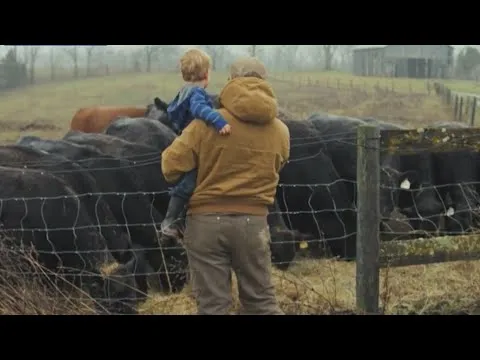
Global Conflicts Squeeze U.S. Farmers, Threaten Food Supply
The ongoing war in Iran is creating major problems for American farmers. These farmers are the backbone of rural America and our food system. Rising costs for essential supplies like fertilizer, which is up over 50%, and higher gas prices are making it harder for them to operate. The closure of the Strait of Hormuz is impacting oil prices, which directly affects fuel costs for farming equipment.
These challenges come at a time when farmers are already facing many difficulties. Extreme weather, the global pandemic, and political unrest have all taken a toll on food production. The U.S. Department of Agriculture has already reported that fewer corn acres will be planted in 2026. This number could drop even more as the war’s effects continue to grow.
A New Look at Farming Struggles
A new documentary called “Fork in the Road” aims to highlight these issues. Filmmakers like Nick Offerman are shining a light on the struggles of small and medium-sized farmers across the country. The film explores how these farmers are trying to survive and adapt in a changing agricultural world.
The future of food is not separate from the future of the land, which is not separate from the future of human care. It also involves love. It means a life duty.
Farmer’s Personal Story of Resilience
Caroline Comes, a dairy and beef farmer from Kentucky, shares her personal experience. In 2018, her farm faced a crisis when a major dairy processor, Dean Foods, closed its plant in the area. This left farmers like Caroline with no buyer for their milk. Since raw milk is illegal in Kentucky, not having a processor meant their product had no market.
As a result, Caroline and her family had to sell 250 dairy cattle and give up the 475 acres they used for their dairy operation. She explains that they were good at farming but were pushed out by how the industry is structured. To survive, they had to reinvent themselves. With help from the Berry Center and its Berry Beef Program, they started an ice cream shop on their farm. This allowed them to process their own milk and sell directly to consumers.
This shift to direct-to-consumer sales has helped them pay their bills and learn a new way of farming. They moved away from conventional methods and are now selling everything directly to people who buy from them.
Filmmakers Capture Heartbreak and Hope
Ben Deann Sorensen, co-director and executive producer of “Fork in the Road,” describes the filmmaking process as heartbreaking but important. The team spent eight years talking to over 60 farmers, nonprofits, and chefs. They witnessed firsthand the workarounds farmers developed to survive and thrive.
Sorensen notes that the documentary focuses on how farmers can not only survive but also support local economies and regional farming. He recalls Caroline’s story, emphasizing the emotional toll of losing their dairy operation. He highlights how cooperative efforts, like those supported by the Berry Center, helped Caroline’s family find a way to continue farming.
Despite the difficult stories, Sorensen also points out the positive aspects. He stresses that the film shows many good things happening in agriculture and that it’s not all darkness. Farmers are resilient and find ways to adapt.
The Farmer’s Voice: Humility and Urgency
Caroline emphasizes that farmers are typically humble people who don’t seek the spotlight. However, she feels it’s crucial to speak openly about their struggles. She acknowledges the pride farmers have and their reluctance to ask for help or complain. They often accept their situation and work with what they have.
Farmers constantly adapt to challenges like weather, natural disasters, and rising prices. Caroline mentions a recent conversation with her father-in-law about the fertilizer issue, expecting a tough summer. They have a plan in place, hoping it will help them get through it.
A Passion for Food’s Origins
Sorensen’s passion for this topic comes from his extensive work in the food industry, including his role as an executive producer for the TV series “Chopped.” After 15 years working with chefs and ingredients, he wanted to understand the source of the food. He felt a need to go to the farms and learn about the farmers’ experiences and challenges.
The pandemic highlighted how easily food supplies can be disrupted. Sorensen realized that regional agriculture is a key part of the solution. He believes cutting out the middleman and reconnecting with local farmers is essential for a stronger food system.
A Message to Policymakers and the Public
With only seconds left, Caroline urges Americans and the President to remember the struggles farmers face. She points out that many hardships are a direct result of decisions made by the government. She highlights the difference between large-scale agricultural operations and smaller, mid-sized farms.
Caroline explains that smaller farms cannot compete with larger ones on infrastructure and pricing. She asks that administrative leaders focus on the needs of these smaller farms. She believes that while larger operations get a lot of attention, it’s the smaller farmers who are truly keeping local communities alive. NewsNation promises to continue covering their stories.
Source: Documentary examines how small farmers get squeezed by food industry | NewsNation Live (YouTube)

Related Articles

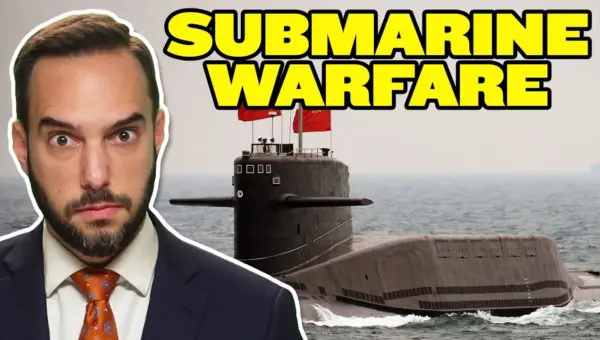
China Maps Seabed, Eyes Hawaii in Naval Power Play
China's extensive seabed mapping in the Pacific, particularly around strategic areas like Guam and Hawaii, is raising concerns about its preparation for submarine warfare. This effort, often disguised as scientific research, aims to enhance China's naval capabilities and challenge US dominance in the region.
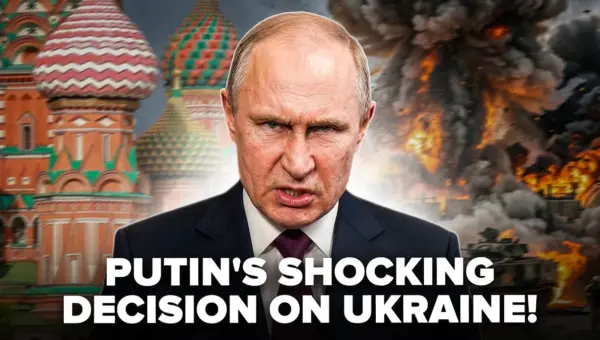
Russia Faces Last-Ditch Offensive, Internal Cracks
Russia may be launching a final major offensive in Ukraine as it faces mounting internal pressures. Analysts suggest this push is a last resort before significant manpower and financial issues arise. Meanwhile, increasing domestic information control and official criticism highlight growing cracks within the Russian establishment.

Trump Threatens Iran, Shaking Global Stability
Former President Trump's aggressive Easter Sunday warning to Iran has ignited global concerns, highlighting a volatile intersection of politics, religion, and foreign policy. The analysis explores the motivations behind such rhetoric, the deep divisions within American society, and the potential for severe economic and geopolitical repercussions worldwide.