Global Conflicts Ignite: US Faces Economic Woes, Military Setbacks
Escalating global conflicts are coinciding with significant economic challenges and concerning military setbacks for the United States. Reports detail job losses, surging oil prices, and the destruction of US defense systems, while alleged support from Russia and China for Iran complicates the geopolitical landscape.

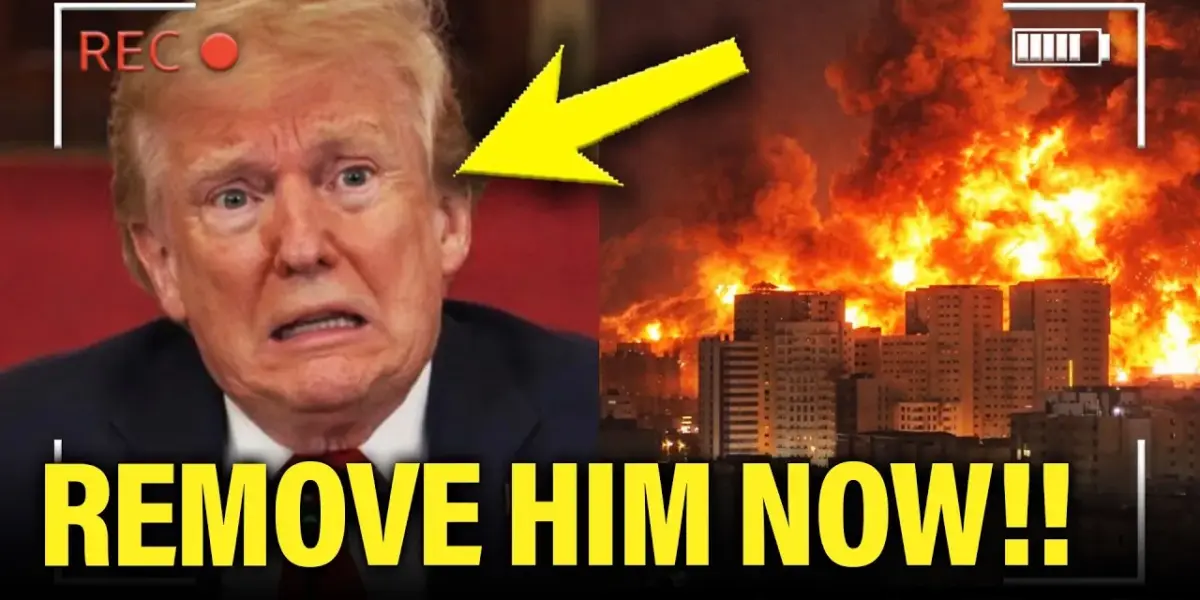
Global Conflicts Ignite: US Faces Economic Woes, Military Setbacks
Recent events paint a grim picture of escalating global tensions, marked by significant economic challenges and concerning military developments for the United States. A barrage of news suggests a destabilizing geopolitical landscape, impacting not only the US but also the broader international community. The narrative emerging from the current situation is one of escalating conflict, economic strain, and a perceived lack of strategic preparedness.
Economic Calamities and Market Instability
The United States is grappling with a series of economic setbacks. Last month saw a significant job loss of over 92,000, starkly contrasting with expectations of job creation. Simultaneously, the price of oil continues its upward trajectory, approaching the critical $100 per barrel mark and currently hovering around $94.50. This surge in oil prices, coupled with a crashing stock market, signals considerable economic headwinds. The situation is exacerbated by a lack of replenishment in strategic oil reserves, a decision made despite opportunities to acquire oil at lower prices previously. Questions are being raised about the strategic rationale behind not filling these reserves, especially in light of geopolitical uncertainties.
Military Setbacks and Escalating Threats
Beyond economic woes, the US military faces significant challenges. Reports indicate the destruction of American THAAD missile defense systems in the Middle East, with four such systems reportedly lost to Iranian drone attacks. These systems, each costing approximately a billion dollars, represent a substantial military asset. Compounding these losses is the alleged involvement of Russia and China in supporting Iran. This support is reportedly providing logistical aid, supplies, and crucial targeting intelligence, enabling Iran to strike American military interests and assets more effectively. The situation raises serious questions about the efficacy of current defense strategies and the growing capabilities of adversaries.
Strategic Missteps and Questionable Decision-Making
Criticism is mounting regarding the administration’s strategic planning, particularly concerning the lack of replenished strategic oil reserves. The decision not to fill these reserves when oil prices were low, while simultaneously pursuing interventions in regions like Venezuela with the stated goal of securing oil, is being scrutinized. The focus on personal profit and diversion of resources is also a point of contention. Furthermore, the State Department’s apparent inability to effectively notify Americans in the Middle East about evacuation plans points to a breakdown in logistical and communication protocols, contributing to an atmosphere of chaos.
The Role of Russia and China
The narrative of US military dominance over Iran is challenged by ongoing Iranian actions. Iran continues to target neighboring Arab states with American interests and has publicly declared readiness for a ground invasion. The alleged support from Russia and China, including military cooperation and the provision of intelligence, is a significant factor in Iran’s operational capabilities. This international backing for Iran complicates the US military’s objectives and suggests a more complex, multi-polar conflict dynamic than initially presented.
Propaganda and Public Perception
The use of White House accounts for what is described as propaganda is also a point of concern. Social media posts featuring graphics of the President looking unwell alongside claims of an “unlimited supply of munitions” are met with skepticism. The disconnect between these claims and the request for substantial additional military funding ($50 billion or more) for munitions production is highlighted. The administration’s focus on defense manufacturing agreements, rather than addressing domestic issues like healthcare, affordability, and employment, is also criticized. The blending of military footage with entertainment content, such as video game imagery and sports highlights, is seen by some as an attempt to normalize conflict and distract from pressing realities.
Humanitarian Concerns and Diplomatic Fallout
The human cost of escalating conflicts is a significant concern. Reports of children killed in strikes, and the disruption of essential services like labor and delivery at military hospitals due to preparations for mass casualties, underscore the devastating impact on civilian populations and military families. The suspension of labor and delivery services at a major US military hospital abroad, in anticipation of mass casualties, serves as a stark indicator of the perceived severity of the impending conflict. This situation disproportionately affects women and families, highlighting a broader pattern of impact in conflict zones.
Shifting Alliances and International Dynamics
The global landscape is characterized by shifting alliances and complex interdependencies. The US is reportedly preparing a third carrier strike group for deployment to the Middle East, indicating a significant escalation. Simultaneously, US forces are engaged in ground operations in Ecuador, targeting alleged narco-terrorists. The narrative of US leadership is further complicated by its relationship with Ukraine. While the US seeks Ukraine’s expertise in downing Iranian drones, it is also criticized for actions that benefit Russia, such as easing sanctions on Russian oil. This creates a perception of contradictory policies, potentially undermining diplomatic efforts and strategic objectives.
Historical Context and Future Outlook
The current situation draws parallels to past geopolitical conflicts, raising questions about the cyclical nature of international relations and the effectiveness of long-standing foreign policy approaches. The alleged involvement of major global powers like Russia and China in regional conflicts suggests a potential re-emergence of Cold War-era dynamics. The administration’s approach to conflict, characterized by aggressive rhetoric, reliance on military solutions, and a perceived disconnect from diplomatic solutions, may prove to be unsustainable in the long term. The future outlook suggests a period of heightened global instability, economic uncertainty, and a continued re-evaluation of international alliances and security frameworks.
Why This Matters
The confluence of economic decline, military overextension, and complex international rivalries poses a significant challenge to the United States’ global standing and domestic well-being. The economic repercussions, including job losses and rising energy costs, directly impact the lives of ordinary citizens. Military engagements, especially those involving potential escalation and the use of advanced weaponry, carry immense human and financial costs. The alleged support for adversaries by major global powers like Russia and China introduces a dangerous new dimension to existing conflicts, potentially leading to broader geopolitical realignments. The way these challenges are addressed will shape not only US foreign policy but also the global order for years to come. The transparency and effectiveness of leadership in navigating these complex issues are paramount for maintaining stability and ensuring the security and prosperity of the nation and its allies.
Source: Trump is SCARED as WAR RAPIDLY DETERIORATES!! (YouTube)

Related Articles

Lavrov’s Sanctions Shift: Russia Abandons Ally Amidst Global Tensions
Russian Foreign Minister Sergey Lavrov announced Russia will not impose sanctions on the U.S. amid escalating Middle East tensions. This comes as a drone attack targets the Saudi embassy in Iran, prompting a U.S. pledge for swift retaliation. The geopolitical landscape is further complicated by evidence of Russian components in Iranian drones and concerns over European disunity.

Iran’s President Rejects Unconditional Surrender Amid Tensions
Iranian President Massud Peshkan has apologized to neighboring countries, stating Iran will not attack unless provoked. This comes as US President Trump demands unconditional surrender and warns of severe retaliation.


War Games: How Memes Mask a Catastrophic Iranian Conflict
A critical analysis of the current Iranian conflict, exposing how the Trump administration's use of memes and perceived detachment trivializes the human cost. The piece questions the necessity of the war, highlights geopolitical manipulation, and examines the severe economic impact on American families.