Global Conflicts Blur Lines, Reshaping Alliances and Energy Markets
Global conflicts in Ukraine and the Middle East are increasingly intertwined, impacting Russia's strategy, Ukraine's resilience, and China's global ambitions. This complex web is reshaping alliances and energy markets, with potential miscalculations threatening stability. The long-term implications of 'America First' policies are also a major concern.


Global Conflicts Blur Lines, Reshaping Alliances and Energy Markets
The world is currently navigating a complex web of international conflicts, with events in Ukraine and the Middle East (specifically Iran) increasingly seen as interconnected. This intricate geopolitical landscape is not only straining global resources but also forcing a re-evaluation of long-standing alliances and the future of energy markets. Russia, in particular, seems to be strategically benefiting from the current global distractions, using them to its advantage while also facing its own challenges.
Russia’s Strategic Play
From Russia’s perspective, the ideal scenario would be for the United States to be completely disengaged from global affairs. However, recognizing this as unlikely, President Putin’s next best option appears to be keeping the U.S. occupied elsewhere. While Russia may see short-term economic gains from these conflicts, the long-term impact could be negative. The ongoing conflicts weaken Russia’s relationship with Iran, a key ally and a crucial supplier of parts for its drones. Evidence suggests Russia is even diverting some of its drone components to Iran, indicating how critical it considers the current situation in the Middle East to be. This diversion might also explain a perceived decrease in the intensity or frequency of Russian drone attacks on Ukraine, as spare parts are prioritized for the Iranian front.
Furthermore, Russia has a vested interest in keeping vital shipping lanes, like the Strait of Hormuz, disrupted for as long as possible. This strategy aims to create global economic pressure and potentially affect energy prices. The potential loss of Iran as a stable partner also complicates Russia’s long-term production capabilities, especially if it needs to secure parts previously supplied by Iran.
Ukraine and Iran: Two Wars, One Fight?
While distinct, the conflicts in Ukraine and Iran share significant overlaps. Ukraine, for instance, views Iran’s defeat as crucial and has aligned itself with the United States and Gulf States in this effort. This is a notable shift, as Iran has been a long-time supporter of Russia’s war effort against Ukraine, supplying drones and other military aid. Therefore, the conflicts are not entirely separate but rather intertwined, influencing each other’s strategic outcomes and requiring a coordinated response from Ukraine’s allies.
The challenge for Ukraine’s allies lies in sustaining support for Kyiv while also being drawn deeper into Middle Eastern tensions. European nations, wary of past economic disputes and geopolitical shifts, have expressed reluctance to be overly involved in the Middle East. However, some analysts suggest that European intervention in the Strait of Hormuz, if it occurs, would primarily focus on securing shipping lanes. This would likely involve naval assets that might otherwise be used against Russia’s shadow fleet. Crucially, these assets are not currently being utilized for direct support of Ukraine, meaning a Middle Eastern commitment may not significantly detract from aid to Kyiv.
Moreover, Ukraine is increasingly becoming self-sufficient in its defense, particularly through its burgeoning drone production. The country is now producing and exporting drones, showcasing remarkable resilience and innovation. This internal strength means that external aid, while still important for areas like air defense, is not the sole determinant of Ukraine’s survival.
Which Conflict Ends First?
When considering which conflict might conclude sooner, the situation in Iran appears more manageable in the short term. It’s possible to achieve a victory by neutralizing Iran’s military capabilities, similar to ending the first phase of a war. However, ignoring the subsequent, more complex nation-building or stabilization phase, akin to the experiences in Iraq and Afghanistan, could lead to prolonged and unforeseen consequences. In terms of large-scale military engagements, Iran’s capacity to sustain the current level of conflict may diminish sooner than Ukraine’s.
China’s Shifting Position
China’s position in this global chess game is complex. In the short term, China might appear to benefit as Iran allows some trade through the Strait of Hormuz, potentially impacting the petrodollar system. However, in the long run, the instability in Iran could severely disadvantage China. The trade in oil settled in yuan, which has relied on routes through Iran, is likely to diminish. Furthermore, Iran’s strategic location is vital for China’s Belt and Road Initiative. If this node is disrupted, it significantly alters China’s global strategic planning.
The conflicts also make China’s long-term ambitions, particularly regarding Taiwan, more challenging. Ukraine’s success in using drones against Russia’s naval fleet in the Black Sea offers a potential model for Taiwan. If Iran’s drone tactics can disrupt shipping in the Strait of Hormuz, it highlights the vulnerability of naval assets to low-cost drone attacks. Taiwan, already developing naval drones and collaborating with Ukraine, could adopt similar strategies, making a Chinese invasion of Taiwan far less tenable.
The current approach of using expensive missile systems, like the Patriot, to shoot down cheaper drones is also questioned. This raises concerns about the cost-effectiveness of military responses and the potential for strategic missteps, especially when considering the vast sums involved.
Escalation Risks and Miscalculations
A significant geopolitical miscalculation could arise from underestimating Iran’s strategic reserve capabilities. While strikes have slowed, Iran might be holding back resources for prolonged pressure on the Strait of Hormuz, rather than expending them all at once. The United States’ greatest military weakness remains its willpower to sustain long conflicts, often influenced by democratic cycles and changing administrations. This is a critical vulnerability that adversaries could exploit.
Energy Markets Under Strain
Energy remains a central issue, though fears of a severe crisis may be somewhat overblown. While oil prices have risen since the conflict in Iran began, Ukraine has simultaneously disrupted Russia’s export capacity. Significant Russian export infrastructure, like the Novorossiysk terminal and the Druzhba pipeline, has been offline, limiting Russia’s ability to capitalize on higher prices. While some predict a large percentage of global oil capacity is offline, a closer look suggests that with Iran allowing more trade and alternative routes available, the actual disruption might be closer to 10% of global capacity. Combined with existing strategic reserves and rapid shale production increases, the crisis may not reach the feared levels.
The U.S. shale industry can bring new production online much faster than traditional methods, potentially within three to six months, mitigating supply shocks. Even this timeframe might be optimistic, as existing, readily available capacity could come online even quicker. While political rhetoric might focus on specific shipping lanes, the global nature of oil markets means disruptions anywhere affect prices everywhere.
NATO’s Evolving Role
The conflict in Ukraine initially served as a powerful unifier for NATO, prompting Finland and Sweden to join. However, with the potential for U.S. withdrawal from certain international commitments, cracks may appear. Within Europe, NATO appears to be strengthening, learning lessons from the Ukraine conflict, particularly regarding drone warfare. While progress may be slower than some would like, European nations are adapting their military-industrial complexes and integrating Ukraine’s insights. These powerful European nations, with their own large economies and populations, are likely to rise to the challenge even if the U.S. scales back its engagement.
The ‘America First’ Paradox
A significant geopolitical miscalculation could be the pursuit of an “America First” policy. This approach, rather than strengthening the U.S., could undermine its long-term economic and geopolitical standing. Post-World War II, U.S. prosperity and power grew through investment in alliances and supporting global economies. This interconnectedness created a more prosperous global system, from which the U.S. benefited enormously. Weakening this posture risks destabilizing the factors that maintain the U.S. dollar as the world’s reserve currency, potentially triggering the very economic crisis the policy aims to avoid.
Abandoning global leadership could create a power vacuum, likely to be filled by rivals like China or Russia. The idea of achieving economic superiority through tariffs is seen as fundamentally flawed by free-market advocates. The interconnected nature of the global economy means that prosperity is often shared, and isolating a nation ultimately harms its own economic health.
Big Picture: A Chaotic Future?
Looking ahead, the world may be heading towards a more chaotic period. However, there is hope that current conflicts will resolve, weakening aggressors like Russia and Iran. Despite this, human nature, with its inherent greed and desire for power, remains a constant. This means new conflicts and challenges will always emerge, albeit in different forms. Authoritarianism is on the rise, and the way global powers respond to current challenges will shape the future landscape. While human nature may not change, collective actions and consistent leadership can influence the prevalence and nature of future conflicts.
Source: Why Russians are Panicking About the War in Iran – with Professor Gerdes (YouTube)

Related Articles

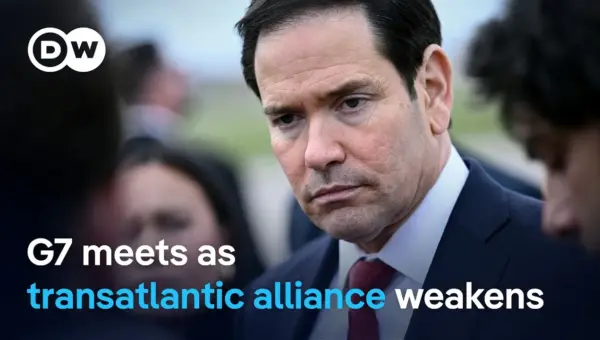
G7 Allies Clash Over Iran War Strategy, Urge Focus on Russia
G7 foreign ministers met in Paris, revealing deep divisions over the U.S. war with Iran. European allies urged the U.S. to pressure Russia, linking its actions to the conflict and fearing support for Ukraine will wane.

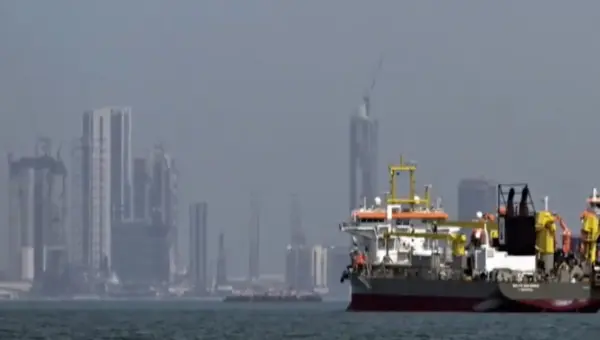
Iran Blocks China Ships, Exposing Beijing’s Weak Grip
Iran's recent decision to block Chinese ships at the Strait of Hormuz is exposing the limits of Beijing's influence in the Middle East. This action is causing delays and cancellations for Chinese manufacturers, turning a perceived geopolitical win into an economic strain.
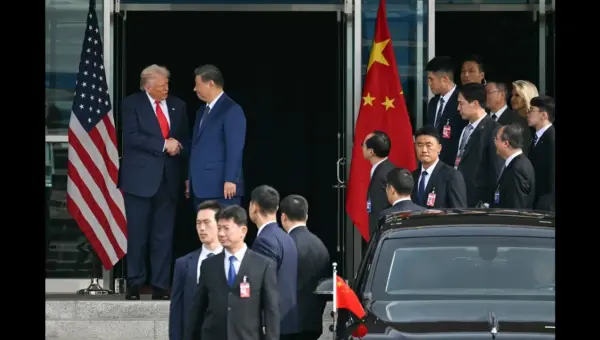
Trump’s “Walk Away” Tactic Signals Tougher Stance on China
Retired Air Force Brigadier General David Stillwell believes President Trump's strategy of being willing to walk away from negotiations puts pressure on China. This tactic, combined with US global actions and strengthened alliances, signals a more assertive American foreign policy.