Global Conflict Ignites: Is Trump’s Iran War a Catalyst?
A provocative analysis suggests the conflict in Iran, under the Trump administration, is a catalyst for global war, potentially drawing in Russia and destabilizing regions from the Baltics to East Asia. The piece highlights shifting alliances, strategic vulnerabilities, and Ukraine's evolving role in drone warfare, painting a grim picture of escalating international tensions.

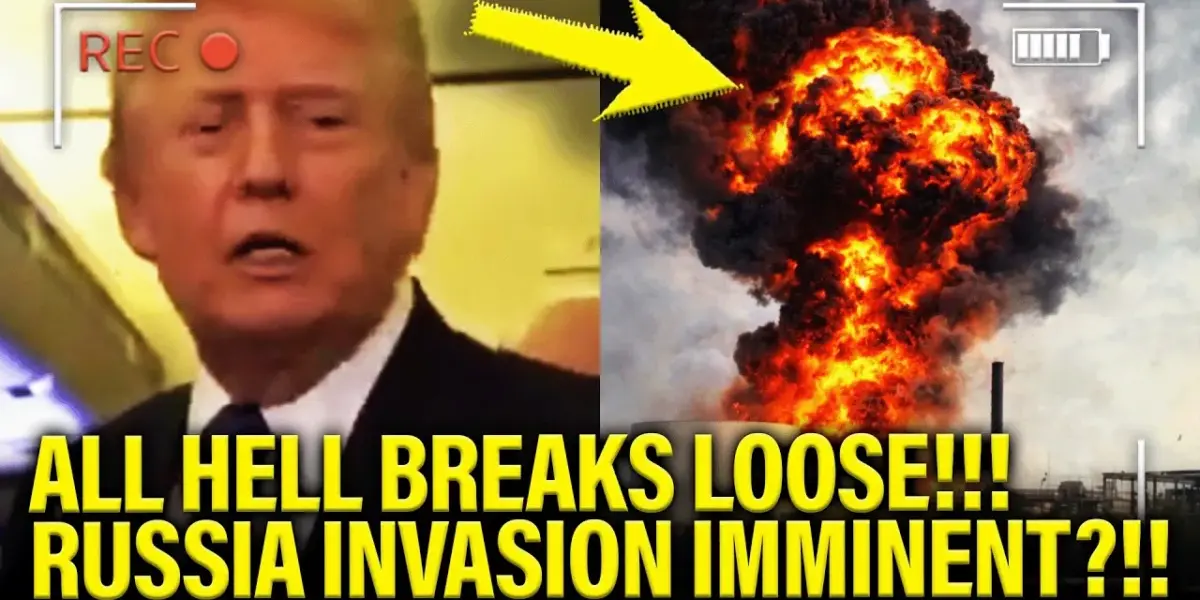
Global Conflict Ignites: Is Trump’s Iran War a Catalyst?
The world stage is fraught with tension, and a new analysis suggests that the escalating conflict in the Middle East, ostensibly initiated by Donald Trump’s administration against Iran, may be a dangerous spark igniting a much larger, global conflagration. This perspective argues that far from being an isolated event, the conflict in Iran is a symptom and accelerator of wider geopolitical instability, potentially drawing in major powers and destabilizing key regions across the globe.
The Widening Gyre of War
The core argument presented is that the “unlawful and disastrous war against Iran” is not contained. Its “tentacles are reaching” into areas like the Baltic states, specifically Estonia, Latvia, and Lithuania. The narrative posits that Vladimir Putin, Russia’s president, is eyeing these nations with potential invasion, especially as his own forces face mounting losses in Ukraine. This creates a dangerous feedback loop: Russian desperation in Ukraine could lead to aggressive actions elsewhere, while perceived American “weakness” might embolden adversaries.
The transcript highlights a specific concern regarding the Baltic states, citing reports from Fox News national security reporter Jennifer Griffin, who, in turn, amplified concerns from Igor Sushko. Sushko’s reporting suggests that Putin is making “domestic legal preparations for a ground invasion of the Baltic States.” This is underscored by legislative amendments in Russia expanding Putin’s powers to use troops abroad, ostensibly to “protect Russian citizens.” The analysis draws a parallel between this pretext and Trump’s own justifications for actions, such as targeting “narco terrorists,” suggesting a shared playbook of rhetoric to mask aggressive intent.
Shifting Alliances and Strategic Missteps
Beyond Eastern Europe, the analysis points to a troubled situation in East Asia. The “Trump regime” is accused of removing THAAD and Patriot missile systems from South Korea, systems intended to defend against potential North Korean or Chinese aggression. The transcript claims that South Korean President Lee has voiced strong objections, but their concerns have been sidelined. Furthermore, it alleges that promised weapon systems for Taiwan, crucial for its defense against China, have not been delivered by the “Trump regime.” These actions, according to the analysis, create vulnerabilities and signal a weakening of American commitment to regional security.
The narrative also touches upon the complex relationship between Russia and the West, particularly concerning energy markets. It is argued that the “Trump regime” has provided Russia with an “economic gift” by easing sanctions. This has allegedly allowed Russia to sell oil at high prices, potentially funding its war efforts. This economic lifeline, coupled with Russia’s public support for Iran, is presented as a strategic boon to Moscow, occurring while Ukraine is reportedly making significant counteroffensives against Russian forces.
Ukraine’s Strategic Pivot and Drone Warfare
A significant portion of the analysis focuses on Ukraine’s evolving role and President Zelenskyy’s strategic foresight. It is suggested that Ukraine, despite its own struggles, is now assisting the United States and Arab nations by providing drone expertise and interceptor drones to counter Iranian-made Shahed drones. This capability, the transcript argues, was offered to the U.S. previously by Zelenskyy, even during a period when Trump was allegedly “rolling out the red carpet for Vladimir Putin.” The refusal or neglect of this offer by the Trump administration is framed as a critical error, leaving the U.S. unprepared for drone threats.
The analysis posits that Zelenskyy’s willingness to help the Middle East serves a dual purpose: it aids allies and potentially diverts Russian resources away from Ukraine by keeping Russian-backed Iranian operations in check. This also aims to slow down any potential Russian expansion towards the Baltic states.
Zelenskyy’s statements are interpreted as a clear signal to the U.S. and its allies: Ukraine possesses critical expertise in drone warfare, a domain increasingly central to modern conflict. The transcript suggests Zelenskyy is highlighting the U.S.’s lack of preparedness and the cost-effectiveness of drone technology compared to expensive missile defense systems like THAAD and Patriot. The analysis frames this as Ukraine leveraging its position, offering a “you need us now” proposition.
The Middle East as a Second Front
The analysis strongly contends that the Middle East conflict is evolving into a “second front” in a broader global war orchestrated or exacerbated by Russia. The argument is made that Russia is actively involved in supporting Iran, and China is also aiding Tehran. This interconnectedness, it is argued, turns Iranian actions against its neighbors and American interests into a proxy war that benefits Russia and expands the conflict against the “entire West.”
Evidence cited includes reports of Ukrainian intelligence assessing significant Russian battlefield losses in Ukraine (over 1.3 million soldiers, with a high fatality rate) as a driver for Russian desperation. This desperation, combined with the perceived benefits of the Iran conflict, allegedly redirects Russian focus. The transcript also notes that Iran’s actions, such as disrupting oil supplies through the Strait of Hormuz, create global economic instability, which, in turn, could indirectly benefit Russia and China.
The analysis criticizes media outlets like Fox News for allegedly blaming the Iranian people for not rising up, while simultaneously highlighting reports that Russia is providing intelligence to Iran about U.S. troop locations. This is presented as further evidence of a coordinated effort to undermine U.S. interests.
A World at War?
The overarching thesis is that the world is already “at war in some way or another.” The conflict in Iran is seen as a central node in this expanding web of hostilities. The analysis suggests that while attention is focused on the Middle East, and to some extent on Ukraine, the real danger lies in the potential for these conflicts to merge and escalate, drawing in more nations and creating a truly global crisis. The transcript concludes with a plea for awareness, urging American leadership and the public to “wake the hell up” to the interconnected nature of these escalating conflicts and the role they believe former President Trump has played in exacerbating them.
Why This Matters
This analysis presents a deeply concerning view of the current global security landscape. If the assessment is accurate, the actions taken by various global actors, particularly the Trump administration’s approach to Iran and its relationships with Russia and China, have not only failed to de-escalate tensions but have actively contributed to a dangerous expansion of conflict. The potential for a multi-front war, involving major powers and destabilizing critical global chokepoints like oil supply routes, carries immense implications for international stability, global economies, and human security. The narrative suggests a critical juncture where diplomatic missteps and strategic miscalculations could lead to catastrophic outcomes, demanding a re-evaluation of current foreign policy approaches and a heightened awareness of interconnected global threats.
Implications, Trends, and Future Outlook
The implications of this perspective are stark. It suggests a trend towards a more fragmented and volatile international order, where regional conflicts can rapidly escalate into broader geopolitical contests. The reliance on proxy warfare, the use of economic pressure, and the increasing importance of asymmetric threats like drone warfare are identified as key trends. The future outlook, based on this analysis, is one of heightened risk and uncertainty. The interconnectedness of conflicts means that a resolution in one theater could be undermined by developments in another. The analysis implies that without a coordinated and strategic global response, the world may be heading towards an era of prolonged and widespread conflict, with devastating consequences.
Historical Context and Background
The narrative implicitly draws on historical parallels of great power competition and the dangers of regional conflicts spiraling out of control. The mention of the Baltic states regaining independence from the Soviet Union in 1991 and their subsequent membership in the EU and NATO evokes the historical tensions of the Cold War era. The analysis frames current events as a potential resurgence of these tensions, driven by a Russian leadership seeking to reassert influence and exploit perceived Western weaknesses. The reference to historical justifications for military action, such as “denazification,” highlights how rhetoric can be used to legitimize aggression, a tactic seen throughout history. The discussion of drone warfare also places the current conflicts within the context of evolving military technologies and their impact on the nature of warfare, a trend that has been developing over the past few decades.
Source: All HELL BREAKS LOOSE as Trump TRAPPED by US ENEMIES!!! (YouTube)

Related Articles

Trump’s Iran Threats Signal Economic Peril and Sanity’s Erosion
Donald Trump's aggressive rhetoric towards Iran, threatening war crimes over oil flow, signals economic peril and raises questions about his stability. This analysis explores the historical context and economic implications of such volatile pronouncements.
GOP Struggles for Iran War Message Amidst Economic Pain
Republicans are struggling to articulate a unified message regarding the ongoing conflict with Iran, as Americans face rising gas prices and economic uncertainty. Concerns over affordability and the lack of clear justification for the war are creating significant political challenges for the party.
Middle East Conflict Fuels Oil Price Surge: A Global Economic Threat
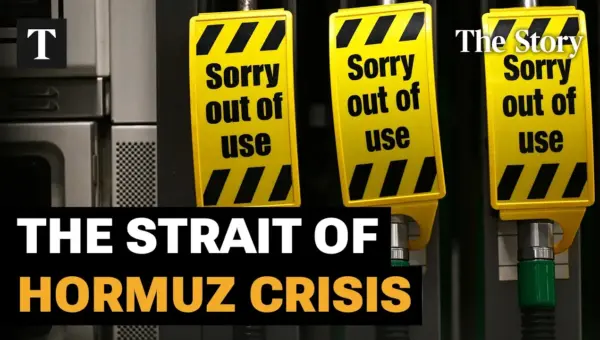
Middle East conflicts are driving up global oil prices, impacting everything from household goods to food security. This surge highlights the Strait of Hormuz's critical role and the historical precedent of oil influencing geopolitical events. The economic repercussions extend domestically, affecting everything from fuel costs to mortgage rates.