Global Conflict Ignites: Iran War Risks Escalation
Retired General Ben Hodges argues that current US actions against Iran lack clear objectives, risking escalation into a global conflict. He highlights the IRGC's true power, divergent US-Israeli aims, and parallels to World War III, urging for strategic clarity and allied cooperation.

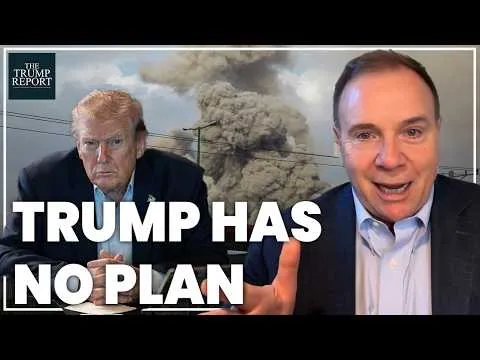
A World at War? Rethinking the Iran Conflict’s Global Reach
The recent military engagement involving an Iranian warship sunk by a US submarine has sent ripples through the international community, prompting a re-evaluation of the current geopolitical landscape. While the visual impact of the footage was striking, reminiscent of World War II naval operations, its strategic implications are far more complex. As retired General Ben Hodges suggests, historians might one day look back on this period and label it as the dawn of World War III, underscoring the interconnected nature of the ongoing global conflicts.
Unclear Objectives Fuel Strategic Uncertainty
A central concern raised by the incident is the apparent lack of a clear, overarching mission for US actions against Iran. While various justifications have been cited – preventing nuclear proliferation, curbing ballistic missile development, combating terrorism, and protecting protesters – General Hodges argues that this amalgamation of goals fails to define a singular, achievable end state. This strategic ambiguity, he posits, makes military planning arduous and increases the risk of unforeseen escalations.
The question of deploying ground troops, for instance, is viewed as highly unlikely. From a domestic political standpoint, it runs counter to stated campaign promises and would likely alienate the president’s base. Militarily, it presents a logistical and strategic quagmire, with commanders seeking clarity on their roles and the ultimate objectives.
The IRGC: Iran’s True Power Nexus
The discussion also delves into the internal power dynamics of Iran, with General Hodges identifying the Islamic Revolutionary Guards Corps (IRGC) as the true locus of power, rather than the Supreme Leader alone. The IRGC’s deep entanglement in Iran’s government, economy, and security apparatus means their primary objective is survival. Their strategy, therefore, is likely to be one of outlasting adversaries, escalating the conflict to draw in more regional actors, disrupt energy flows, and exert pressure on the US to withdraw.
The counter-strikes observed after the Supreme Leader’s reported demise are seen as evidence of this continuity of command within the IRGC, indicating a long road ahead.
Intertwined Global Interests and Divergent End States
The conflict’s impact extends beyond the immediate region, with potential implications for global energy markets and international relations. The Strait of Hormuz, a critical chokepoint for oil and gas, represents a significant pressure point. While the US is largely energy-independent, China’s reliance on Gulf energy makes its disruption a potential strategic leverage point for the US. However, this disruption also benefits Russia by driving up oil prices, highlighting the complex web of intertwined interests.
A notable point of divergence is the potential difference in desired end states between the US and Israel. General Hodges speculates that Israel might view this as a unique opportunity to dismantle the IRGC and its regional proxies entirely, aiming for long-term security. In contrast, the US administration, under its current leadership, appears to lack a clearly defined end state, potentially seeking flexibility to declare victory and withdraw, thus appeasing its domestic base.
A Predictable Unpredictability in Foreign Policy
Despite perceptions of unpredictability, General Hodges suggests that certain actions by the current US administration are, in fact, predictable, particularly those aligned with its core rhetoric and domestic political considerations. The willingness to potentially withdraw after a limited engagement, for example, aligns with a pattern of seeking off-ramps and prioritizing a swift resolution that satisfies the home front.
Broader Geopolitical Realignment: The Global Conflict Thesis
The notion that this is more than a regional conflict is a recurring theme. General Hodges draws parallels to World War II, where seemingly disparate conflicts coalesced into a global struggle. He argues that Russia’s actions in Ukraine, Iran’s support for Russia and its proxies, North Korea’s material contributions to Russia, and China’s support for Russia and Iran all point towards a unified, global confrontation. The strategic implication of this view is that addressing these fronts in a coordinated manner, much like the Allied strategy in World War II, is essential for success.
The historical precedent of the Arcadia Conference in 1942, where Allied leaders prioritized defeating Germany first, serves as a model for strategic thinking. Applied to the current situation, this would mean a concerted effort by the US and Europe to help Ukraine defeat Russia, thereby isolating Iran and deterring China.
Challenges in Strategic Execution and Allied Relations
The current US administration faces challenges not only in defining strategic objectives but also in its approach to alliances. A perceived disdain for allies has led to friction, such as the UK’s reluctance to fully support certain military actions. This underscores the importance of robust diplomatic engagement and clear communication to maintain coalition cohesion. The erosion of long-standing capabilities within the State Department and National Security Council further complicates the administration’s ability to navigate complex foreign policy challenges.
The Kurdish Factor: A New Front or a Distraction?
The potential involvement of pro-American Iranian Kurds, armed by the CIA, introduces another layer of complexity. While denied by official sources, such an operation could open a new front. However, General Hodges expresses caution, questioning the strategic aim and the potential consequences, particularly concerning relations with Turkey, a key NATO ally.
Why This Matters
The analysis presented by General Ben Hodges highlights critical vulnerabilities in the current US foreign policy approach towards Iran and the broader global geopolitical landscape. The lack of clear strategic objectives, coupled with the intertwined nature of ongoing conflicts, risks prolonged instability and unintended consequences. Understanding the IRGC’s motivations, the divergent interests of regional and global powers, and the historical precedents of global warfare is crucial for navigating what could be a defining period in international relations. The effectiveness of US strategy hinges on its ability to articulate clear end states, rebuild trust with allies, and adopt a comprehensive, rather than fragmented, approach to global security.
Implications, Trends, and Future Outlook
The trends indicate a deepening global conflict, characterized by proxy engagements and the strategic manipulation of energy resources. The future outlook suggests a prolonged period of tension, with potential for further escalation if strategic clarity and diplomatic cohesion are not achieved. The US administration’s ability to manage its domestic political imperatives while engaging effectively on the international stage will be a key determinant of future outcomes. The role of allies, the strategic calculations of adversaries like China, and the internal dynamics of nations like Iran will continue to shape this evolving global conflict.
Historical Context and Background
The current situation can be viewed through the lens of historical geopolitical realignments, drawing parallels to the lead-up to and conduct of World War II. The formation of alliances, the strategic prioritization of threats, and the communication of war aims to the public were critical factors in the Allied victory. The current administration’s approach, characterized by a less conventional diplomatic style and a focus on transactional relationships, deviates from these historical models, presenting both potential opportunities and significant risks.
Source: Trump has ‘no clear mission’ in Iran to end the war | Lt General Ben Hodges (YouTube)

Related Articles
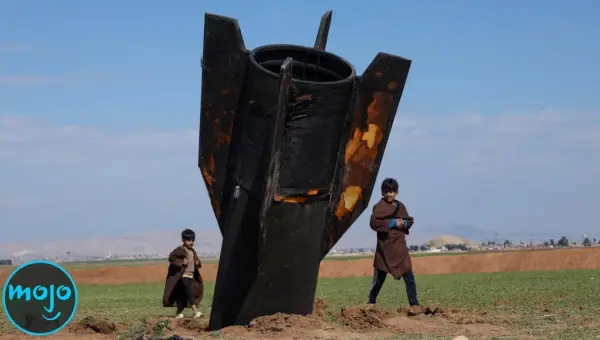
Is World War 3 Already Underway? Major Events Spark Debate
A recent analysis argues that major global events, from the Ukraine invasion to the COVID-19 pandemic, may have already set the stage for World War III. The discussion prompts a re-evaluation of recent history and raises unsettling questions about the current state of global conflict.

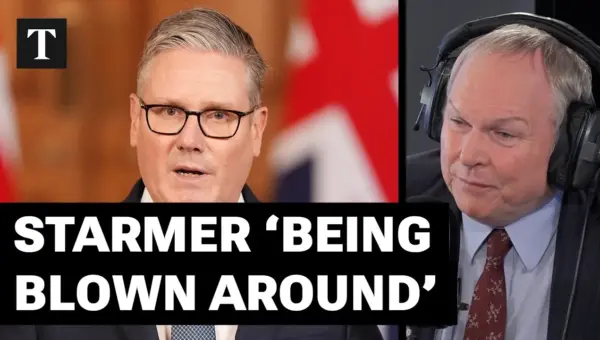
PM Overruled by Cabinet on Iran Attack Bases
The UK Prime Minister was reportedly overruled by his own cabinet on approving the use of British bases for a US strike on Iran. The decision-making process involved significant internal debate and a delay in authorization until after hostilities commenced.

Moscow Shifts Blame, Eyes Global Order as Ukraine Talks Stall
Moscow casts doubt on upcoming Ukraine peace talks, shifting focus to global order discussions. Meanwhile, Italy links current crises to the Ukraine war, and Europe explores enhanced defense strategies amid rising tensions.