Global Chaos: US Faces Crisis as Ukraine Tech Becomes Key
The world is facing unprecedented global chaos as the US finds itself seeking critical defense technology from Ukraine. Meanwhile, escalating conflicts in the Middle East are disrupting global energy markets and reshaping international alliances, with China emerging as a key mediator.

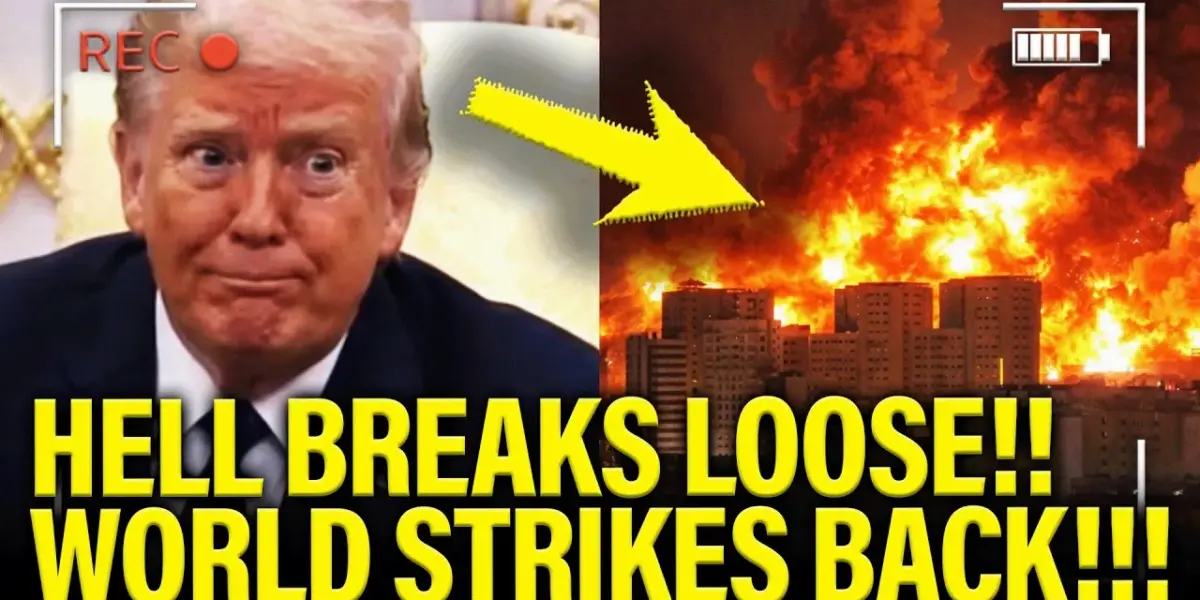
Global Chaos: US Faces Crisis as Ukraine Tech Becomes Key
The world stage is witnessing a dramatic geopolitical upheaval, with the United States finding itself in an unprecedented position: seeking assistance from Ukraine, a nation it has supported militarily, while simultaneously facing escalating global instability. This shift is underscored by the unexpected effectiveness of Iranian drones and missiles, which have proven more challenging to intercept than anticipated, leading to a critical need for advanced defensive capabilities that Ukraine, remarkably, appears to possess.
Ukraine’s Unexpected Ascendancy in Air Defense
The core of this evolving crisis lies in the advanced technology developed by Ukraine to counter Iranian Shahed drones and ballistic missiles. While the United States has been a significant provider of military aid to Ukraine, it appears to have lagged in developing comparable defenses against these specific threats. This has placed Ukraine in a unique position of leverage. According to reports, the “Trump regime” and other Middle Eastern nations are now appealing to President Zelensky for help. Zelensky, in turn, has agreed to provide assistance, but with a clear stipulation: Ukraine requires reciprocal support in its ongoing war against Russia.
This situation highlights a stark contrast with the rhetoric from some American political figures. Caroline Levit, described as a “chief propagandist” for Donald Trump, has been vocal in criticizing Ukraine, attributing the United States’ dwindling munitions and the need for a substantial aid package to the weapons sent to Kyiv. This narrative directly clashes with the reality of Ukraine’s emerging role as a critical technological partner, capable of offering solutions that the U.S. itself may currently lack.
Cascading Economic Disruptions Far Beyond the Battlefield
The ripple effects of this instability are not confined to military and diplomatic spheres; they are profoundly impacting global economies. The transcript details widespread disruptions across the energy sector and shipping lanes:
- Qatar has been forced to suspend its liquefied natural gas (LNG) production.
- Aluminum smelters in Bahrain and Qatar have declared force majeure, indicating an inability to meet contractual obligations.
- Several refineries in Saudi Arabia, the UAE, and Iraq are reportedly offline.
- The Strait of Hormuz, a vital chokepoint for global oil transport, has come to a standstill.
- China has instructed its major oil refineries to suspend exports of diesel and gasoline, citing the dangers in the Strait of Hormuz and a reluctance to import crude oil from the region.
Iran’s strategy, as explained, is not about overwhelming adversaries with sheer volume but about maintaining a persistent threat. By keeping critical energy infrastructure and shipping routes under credible threat, Iran aims to create regional instability, harm global markets, and wait for adversaries to falter. The potential for Iran to leverage its experience with improvised explosive devices (IEDs) in past conflicts, now augmented by ballistic missile and drone capabilities, presents a significant long-term concern.
Shifting Global Alliances and China’s Growing Role
In this complex environment, traditional geopolitical roles are being redefined. The United States, once the primary mediator in regional conflicts, appears to be receding from this position. Instead, China is stepping forward, with its Foreign Minister Wang Yi announcing the dispatch of a special envoy to the Middle East to help mediate escalating tensions. This move, reportedly at the request of Middle Eastern nations like Saudi Arabia, signifies a notable shift in global power dynamics, with China actively engaging in de-escalation efforts where the U.S. might have previously taken the lead.
The transcript points to a specific instance where Middle Eastern countries, including Saudi Arabia, Qatar, Bahrain, Jordan, and Iraq—nations that have faced Iranian strikes—are turning to China for mediation. This is contrasted with the U.S. reportedly attempting to coerce Kurdish forces into actions that could provoke Iran, a strategy that appears to have been met with resistance and skepticism from the Kurds themselves.
Historical Context and Future Outlook
The current situation echoes historical patterns of escalating regional conflicts spilling over into broader geopolitical and economic crises. The use of advanced drone technology, the disruption of vital energy supply lines, and the re-emergence of great power competition in mediation roles are all indicators of a rapidly changing international order. The mention of Iran’s frigat, the Denna, being struck by a U.S. submarine, an incident described as the first torpedo takedown of a naval ship since World War II, further escalates tensions and draws strong condemnation from Iran, which vows retribution.
Furthermore, the narrative suggests a degree of distrust in official reporting, particularly concerning events involving NATO and potential provocations. The claim that NATO intercepted Iranian missiles heading towards Turkey, with the suggestion that this might have been an attempt by the U.S. to invoke Article 5 of the NATO treaty, highlights the pervasive atmosphere of suspicion and the potential for disinformation in a highly charged environment. Iran’s denial of launching missiles towards Turkey adds another layer of uncertainty.
The sentiment expressed by Canadian Prime Minister Justin Trudeau regarding the need for “strategic autonomy” among nations, particularly when existing rules no longer provide adequate protection, reflects a growing global trend. Countries are increasingly prioritizing self-reliance in essential sectors like food, energy, communications, and semiconductors, driven by a recognition that globalized supply chains have created vulnerabilities that can be exploited by powerful actors.
Why This Matters
This confluence of events signifies a critical juncture. The United States’ diminished capacity to project power and mediate effectively, coupled with the rise of new technological dependencies and the assertive role of emerging global players like China, signals a potential recalibration of international order. The economic fallout from disrupted energy markets and shipping routes has the potential to trigger a global recession, impacting everything from consumer prices to industrial production.
The reliance on Ukraine for critical defense technology presents a humbling paradox for a nation that has long been the world’s preeminent military power. It underscores the dynamic nature of technological advancement and the importance of adaptability in national security. The ongoing conflicts and the resultant global instability demand careful diplomatic engagement, a clear understanding of evolving threats, and a strategic reevaluation of alliances and dependencies.
Implications, Trends, and Future Outlook
The implications are far-reaching. We are witnessing the weaponization of economic interdependencies, forcing nations to rethink their strategies for resilience and sovereignty. The trend towards greater regionalization and self-sufficiency is likely to accelerate. The future outlook suggests a more multipolar world, where regional powers play more significant roles, and traditional alliances are tested and potentially reshaped. The effectiveness of Ukraine’s defensive technologies could also spur further innovation and competition in the global defense industry. The escalating tensions in the Middle East, coupled with the broader geopolitical realignments, suggest a period of prolonged uncertainty and potential for further conflict or, conversely, a catalyst for new diplomatic frameworks.
“All hell is breaking loose throughout the entire world as the tables have been turned against the United States and the US is now begging for help from Ukraine…”
Source: All HELL BREAKS LOOSE as World TURNS TABLES on Trump!!! (YouTube)

Related Articles

Trump Admin Lacks Post-War Iran Strategy Amid Escalating Conflict
The U.S. war against Iran has escalated dramatically, drawing in NATO and expanding deep into Iranian territory. However, the Trump administration has offered no clear post-war strategy, leaving experts questioning the long-term objectives and potential consequences of the deepening conflict.
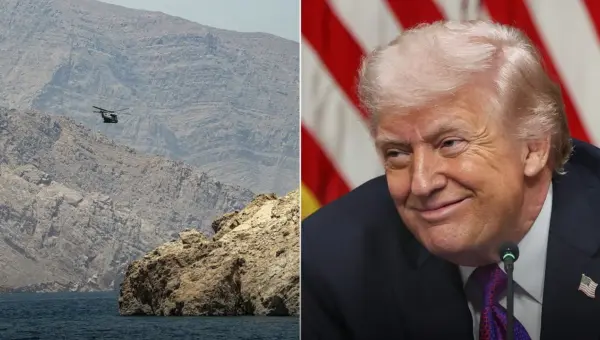
Trump Offers Oil Tanker Escorts Amid Hormuz Strait Freeze
The Trump administration has pledged military escorts and insurance for oil tankers navigating the Strait of Hormuz, as activity in the crucial shipping lane reportedly plunges 90%. However, shipping companies express skepticism, questioning the efficacy of these promises amid ongoing regional conflict. The market's resilience and potential political ramifications for upcoming elections are also under scrutiny.


IOC Under Fire: Ukraine Accuses Olympic Committee of Bias
Ukraine has accused the International Olympic Committee (IOC) of exhibiting double standards, alleging a shift towards a more Russia-friendly stance. The committee faces criticism for permitting Russian and Soviet symbols while reportedly penalizing Ukrainian athletes for less controversial displays.