Gingrich: Replace Iran Regime or Face US Defeat
Former House Speaker Newt Gingrich argues that the U.S. must aim to replace Iran's religious dictatorship to avoid defeat. He cites the regime's open hostility since 1979, including "death to America" chants and past killings of Americans, as evidence of its dangerous nature.

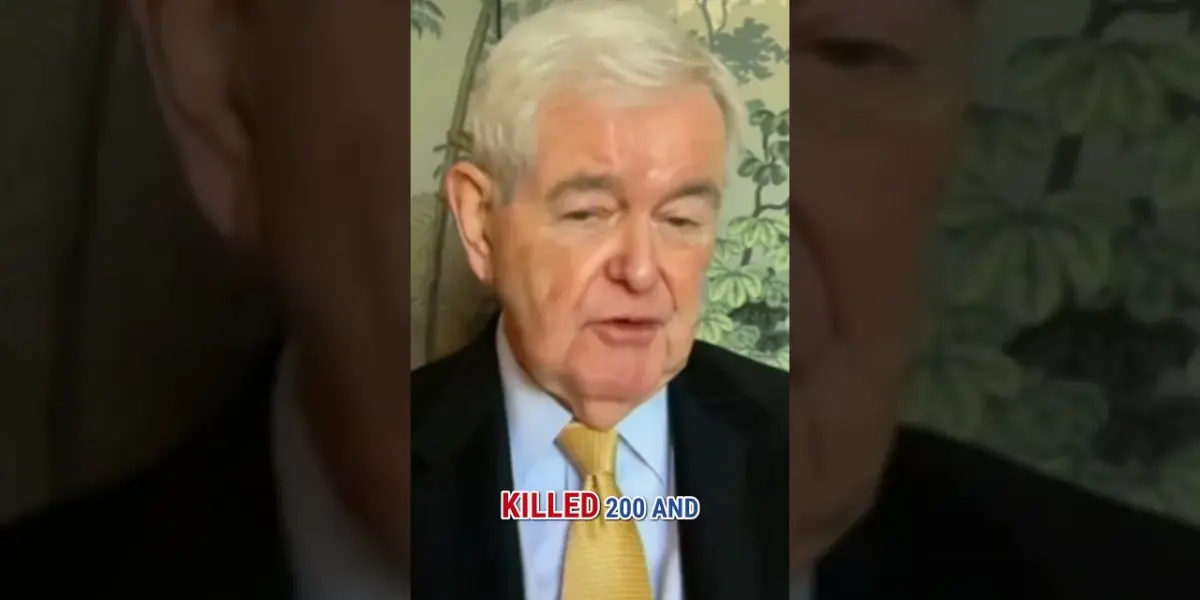
Gingrich Urges Regime Change in Iran, Citing Open Hostility Towards US
Former House Speaker Newt Gingrich has issued a stark warning regarding Iran’s current government, asserting that the United States must prioritize the replacement of the religious dictatorship to avoid what he describes as inevitable defeat. Gingrich’s remarks, made in a recent statement, highlight a long-standing and escalating conflict between the two nations, rooted in the Iranian regime’s open declarations of animosity and its past actions against American lives.
Decades of Declared Warfare
Gingrich emphasized that the primary objective must be the ousting of the ruling religious dictatorship, which he stated has openly proclaimed its hostility towards the United States since its inception in 1979. This declaration of war, he argues, is not a theoretical concern but a tangible reality demonstrated by the regime’s consistent actions and rhetoric.
“The goal has to be to replace the religious dictatorship which has said openly since 1979 that it’s at war with the United States.”
“Death to America” Chants and Historical Violence
To underscore his point, Gingrich referenced recent events, including chants of “death to America” reportedly emanating from the Iranian parliament just weeks prior to his statement. This, he contends, is indicative of the regime’s unwavering anti-American stance. Furthermore, he recalled historical instances of violence perpetrated by the Iranian revolution, citing the killing of over 200 U.S. Marines in Lebanon as a concrete example of the regime’s lethal impact on American personnel.
The former Speaker framed these incidents not as isolated events but as part of a deliberate and ongoing campaign by the Iranian government. His analysis suggests that the regime’s very foundation is predicated on opposition to the United States, making peaceful coexistence or a cessation of hostilities impossible without a fundamental change in leadership.
The Stakes of Inaction
Gingrich’s central thesis posits that any attempt to resolve the current conflict without addressing the nature of the Iranian regime itself is doomed to fail. He warned that failing to pursue regime change would not result in a de-escalation or a peaceful resolution, but rather a strategic defeat for the United States. According to his assessment, an unchanged Iranian regime would inevitably continue its destabilizing and dangerous activities, posing a persistent threat.
“So this is a very dangerous government and we cannot end this war without replacing it or we will have been defeated and they will go right back to being dangerous.”
Broader Implications for Regional Stability
The call for regime change in Iran, as articulated by Gingrich, carries significant implications not only for U.S.-Iran relations but also for the broader geopolitical landscape of the Middle East. The Iranian regime has long been accused by various international actors of sponsoring terrorism, pursuing nuclear ambitions, and engaging in destabilizing activities across the region, including support for proxy militias in countries like Syria, Lebanon, and Yemen. A change in the Iranian government, whether through internal upheaval or external pressure, could dramatically alter the balance of power and the dynamics of ongoing conflicts in these areas.
The strategic objective of replacing the current leadership in Tehran is a complex one, fraught with potential challenges and unforeseen consequences. Historically, interventions aimed at regime change have yielded mixed results, often leading to prolonged instability, humanitarian crises, or the rise of new, unpredictable threats. Gingrich’s perspective, however, appears to prioritize the immediate cessation of perceived Iranian aggression, framing it as a necessary precondition for U.S. security and regional stability.
Looking Ahead
Gingrich’s assertive stance underscores a faction within U.S. foreign policy circles that advocates for a more confrontational approach toward Iran. As geopolitical tensions continue to simmer, attention will likely remain focused on the effectiveness of current U.S. policies and whether alternative strategies, such as those proposed by Gingrich, gain further traction. The coming months may reveal shifts in diplomatic or military postures as the international community grapples with the ongoing challenges posed by Iran’s current government.
Source: Newt Gingrich: Replace Iranian regime or face defeat #shorts (YouTube)

Related Articles

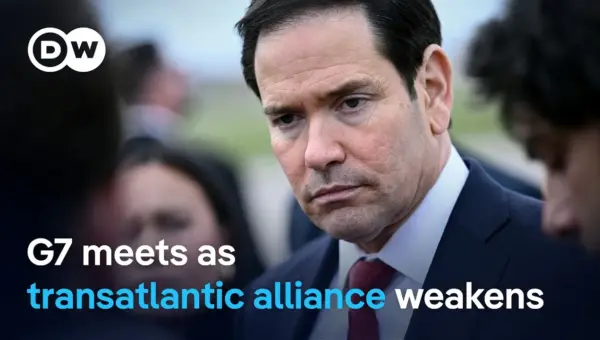
G7 Allies Clash Over Iran War Strategy, Urge Focus on Russia
G7 foreign ministers met in Paris, revealing deep divisions over the U.S. war with Iran. European allies urged the U.S. to pressure Russia, linking its actions to the conflict and fearing support for Ukraine will wane.


Iran Blocks China Ships, Exposing Beijing’s Weak Grip
Iran's recent decision to block Chinese ships at the Strait of Hormuz is exposing the limits of Beijing's influence in the Middle East. This action is causing delays and cancellations for Chinese manufacturers, turning a perceived geopolitical win into an economic strain.
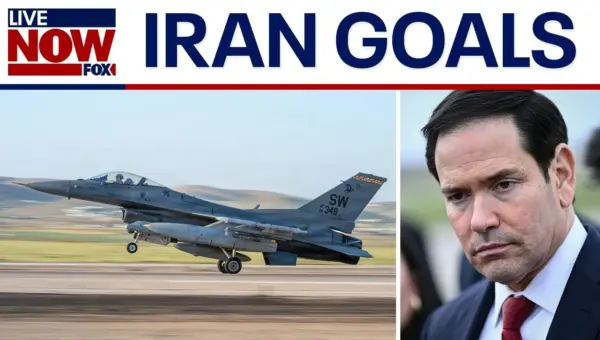
Rubio: US Can Achieve Iran War Goals Without Troops
Senator Marco Rubio outlined a strategy to counter Iran without deploying U.S. ground troops, focusing on weakening the regime and enhancing maritime security. He also criticized Cuba's economic system and expressed concerns about West Bank violence.