Ghost Rider: Cage’s Fiery Ride Through MCU History
Revisiting Nicolas Cage's fiery portrayal of Johnny Blaze in the 2007 'Ghost Rider' and its 2012 sequel, this podcast episode explores their place in Marvel's cinematic history and potential future MCU appearances. Despite mixed reviews, the films offer a unique spectacle and a character ripe for multiversal sagas.

Ghost Rider: Cage’s Fiery Ride Through MCU History
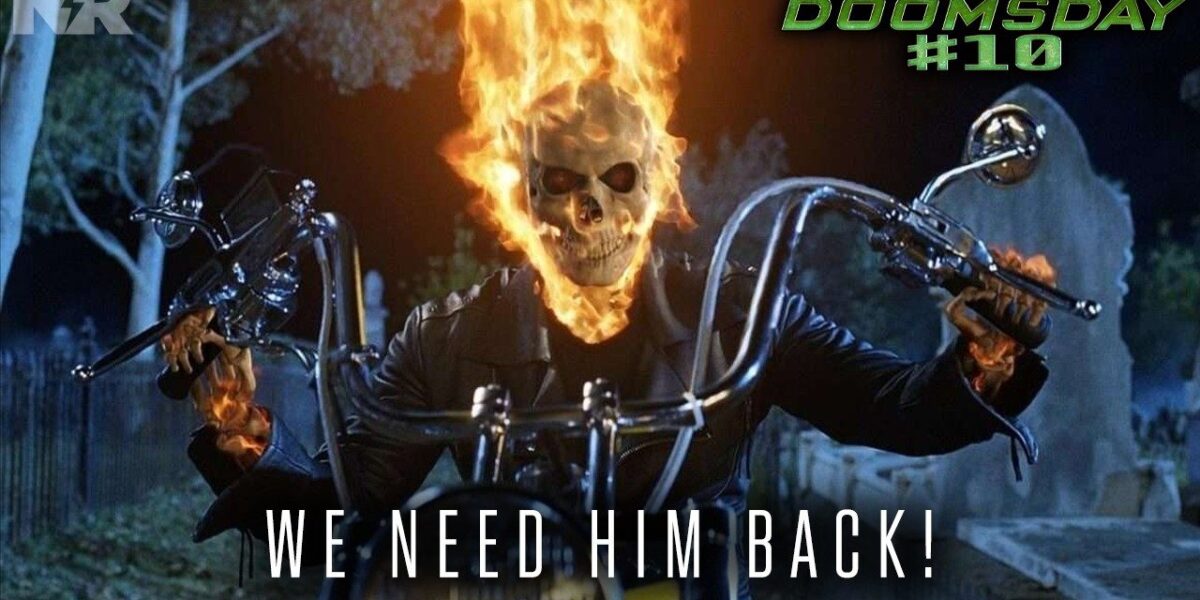
Before the MCU officially embraced the supernatural with characters like Blade and Doctor Strange, Marvel’s cinematic universe already housed a fiery anti-hero: Ghost Rider. Revisiting the 2007 film starring Nicolas Cage and its 2012 sequel, ‘Ghost Rider: Spirit of Vengeance,’ offers a fascinating look at early Marvel adaptations and their potential impact on future multiversal sagas like ‘Avengers: Doomsday’ and ‘Secret Wars.’ This deep dive, part of the ‘Road to Doomsday’ podcast series, highlights not only the unique appeal of these films but also the enduring legacy of Johnny Blaze.
A Fiery Introduction to the Marvel Multiverse
The ‘Road to Doomsday’ podcast, hosted by Jessica Clemens and Zach Huddleston, dedicates an episode to these often-overlooked Marvel entries. They argue that despite their critical reception, the Ghost Rider films hold significant weight, especially considering the increasing prominence of supernatural elements and characters in the current MCU landscape. The hosts emphasize that ‘Ghost Rider’ and ‘Spirit of Vengeance’ predate MCU mainstays and introduce concepts and characters that could easily find a place in upcoming multiverse-spanning events.
2007’s ‘Ghost Rider’: Cage at His Most Cage
Released on February 16, 2007, the first ‘Ghost Rider’ film, directed and written by Mark Steven Johnson (also known for ‘Daredevil’), introduced Nicolas Cage’s Johnny Blaze to the world. The film plunges into the Wild West with a prologue featuring a cowboy Ghost Rider, setting the stage for Johnny Blaze’s fateful deal with Mephistopheles (Peter Fonda). Johnny, a stunt motorcyclist, signs away his soul to save his dying father, only for his father to perish immediately after. This pact transforms him into the Ghost Rider, a supernatural agent tasked with fighting evil.
The film features a memorable supporting cast, including Eva Mendes as Roxanne Simpson, Johnny’s lost love, and Sam Elliott as Carter Slade, the original cowboy Ghost Rider who serves as Johnny’s mentor. Wes Bentley plays Blackheart, Mephistopheles’ son, and the primary antagonist, alongside his elemental demon henchmen: Gressil, Wallow, and Abigor. Despite a somewhat convoluted plot and a final act that the hosts describe as a “mess,” the film is praised for its visual style, particularly the Ghost Rider’s design, the transformative motorcycle sequences, and Nicolas Cage’s uninhibited performance. “It is Nicholas Cage at his most Nicholas Cage,” one host exclaims, suggesting this maximalist approach is precisely what makes the film so watchable, even if critically divisive.
The film boasted a $120 million budget and grossed $228 million worldwide, a respectable return that, while not a blockbuster, secured its place as a moderately successful venture for Sony. Critically, however, it fared poorly, with a 28% rating on Rotten Tomatoes and a 35/100 on Metacritic. Yet, it earned a B on CinemaScore, indicating that audiences found enjoyment in the spectacle.
‘Ghost Rider: Spirit of Vengeance’ (2012): A Chaotic Sequel
The 2012 sequel, ‘Ghost Rider: Spirit of Vengeance,’ directed by Mark Neveldine and Brian Taylor (known for ‘Crank’), takes a darker, more frenetic tone. This installment sees Johnny Blaze hiding from the world, trying to control his curse. He is sought out by a monastic sect to protect a young boy named Danny Ketch (played by Fergus Riordan) from the devil, who seeks to possess the boy’s body. Idris Elba joins the cast as Moreau, a French warrior who aids Johnny.
While the first film leaned into Cage’s unique persona, the sequel doubles down on a more visceral, chaotic energy. The hosts find this installment “too chaotic” compared to the first, though they acknowledge its distinct stylistic choices. The film’s visual effects and action sequences are noted, but the narrative struggles to maintain coherence. It was produced by Columbia Pictures and Marvel Entertainment, with a budget of approximately $57 million and a worldwide gross of $132 million, making it less financially successful than its predecessor.
Legacy and Potential MCU Future
The ‘Road to Doomsday’ hosts see significant potential for Ghost Rider in the ongoing MCU narrative. The character’s ties to the supernatural realm, his status as a demonic entity, and his connection to Mephistopheles align perfectly with the evolving cosmic and mystical elements of the MCU. They speculate that Johnny Blaze, or perhaps a new iteration of Ghost Rider, could play a crucial role in future events like ‘Avengers: Doomsday’ or ‘Secret Wars,’ where the multiverse is in flux and various characters from different realities converge.
The discussion also touches on the actor’s deep connection to the character, with Nicolas Cage famously having a Ghost Rider tattoo long before he was cast. This personal investment is seen as a key factor in his memorable portrayal. The hosts also ponder potential future Ghost Riders, with Norman Reedus’s name being floated as a strong candidate for a more grizzled, weathered interpretation, drawing parallels to his role in ‘The Walking Dead.’
Enduring Appeal and Critical Divide
Despite the critical panning, both ‘Ghost Rider’ films possess a cult following, largely due to Nicolas Cage’s committed performances and the inherent coolness of the character. The visual of a flaming skull, a motorcycle engulfed in hellfire, and a chain used as a supernatural weapon remains iconic. While the writing and plot execution in both films have been criticized, particularly the handling of female characters like Roxanne Simpson, the core concept and the spectacle of Ghost Rider continue to resonate.
As the MCU continues to expand its mythological and supernatural lore, the ‘Road to Doomsday’ podcast serves as a timely reminder of Marvel’s earlier, more experimental forays into live-action. The Ghost Rider films, with all their flaws and fiery brilliance, are a testament to the enduring power of this unique Marvel character and a potential wildcard for the future of the cinematic universe.
Source: GHOST RIDER MOVIES REVISITED (2007 + 2012) | Road to Doomsday Episode 10 (YouTube)

Related Articles

Avengers Doomsday: Early Buzz Hints at Box Office Smash
Early internal screenings of Marvel's 'Avengers: Doomsday' are reportedly generating significant buzz, with executives pleased and rivals predicting box office dominance. While plot details remain speculative, the film is expected to be an epic culmination of the Multiverse Saga.

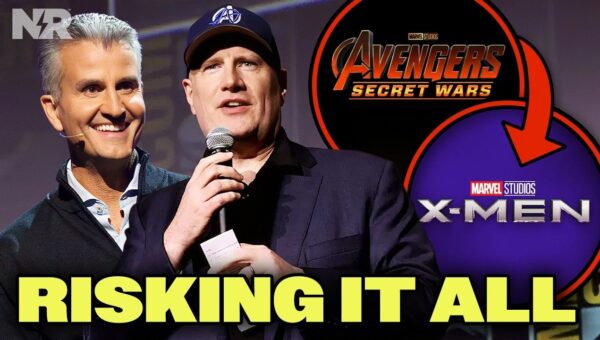
Disney’s New CEO: What It Means for Marvel
Disney's new CEO, Josh D'Amaro, is poised to reshape the entertainment giant. With a background in parks and experiences, his leadership signals a strategic shift that could profoundly impact the Marvel Cinematic Universe, focusing on curated releases and the highly anticipated X-Men saga.

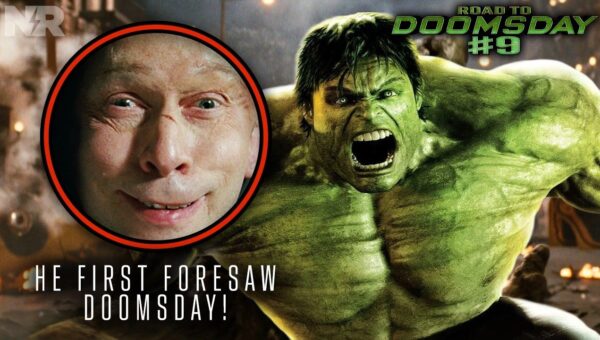
Hulk’s Forgotten MCU Gem Gets Major MCU Revival
Revisiting 2008's The Incredible Hulk reveals its surprising importance to the MCU's future. Characters and plot points from the Edward Norton-led film are proving crucial as the universe heads towards Avengers: Doomsday and Secret Wars, with its themes of cosmic threats and character development resonating deeply.