Gerrymandering Backfires: GOP’s Texas Gambit Fuels Democratic Hopes
Republican efforts to solidify power through gerrymandering in Texas have backfired, with surprising Democratic turnout in newly drawn districts. This signals a potential shift in the Latino and youth vote, challenging GOP assumptions and offering Democrats a glimmer of hope for the upcoming elections.

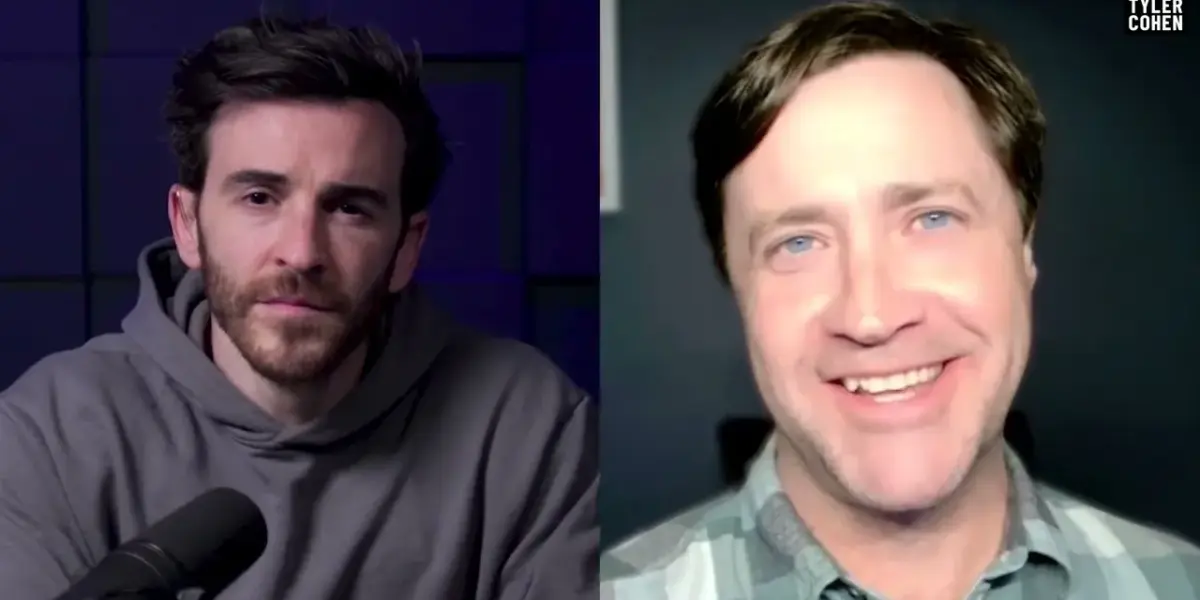
Gerrymandering Backfires: GOP’s Texas Gambit Fuels Democratic Hopes
The recent Texas primaries have unveiled a significant political miscalculation by Republicans, potentially turning their strategic redistricting efforts into a “dummy mander.” What was intended to solidify GOP control by creating safe congressional seats has, in a stunning turn of events, shown a surge in Democratic primary turnout in these very districts, suggesting a dramatic underestimation of evolving voter demographics and loyalties.
The Texas Redistricting Gamble
Following the 2020 census, Republicans in Texas embarked on an aggressive redistricting campaign, aiming to leverage Donald Trump’s perceived strength with Hispanic voters in 2024. The strategy involved redrawing maps to create several districts, some described as “Trump plus 10” or “Trump plus 15,” designed to be largely out of reach for Democrats. The assumption was that these districts, with their significant Hispanic populations, would reliably vote Republican, thereby netting the GOP several House seats.
However, this strategy appears to have been based on a static view of voter behavior. The underlying premise that the 2024 “realignment” of Hispanic voters towards the Republican party was permanent has been challenged by recent electoral signals. As one analyst noted, “The fatal flaw for these Republican maps is that they were drawn with this idea in mind that the realignment that we saw in 2024 was going to be permanent. And in fact, it doesn’t look like that realignment is permanent.”
Primary Turnout Signals a Shift
The most striking revelation from the Texas primaries came from the turnout figures in four newly drawn districts (Congressional Districts 9, 28, 34, and 35). In a system where voters can choose either party’s ballot, significantly more Democrats cast votes than Republicans in all four districts. For instance, Congressional District 28 saw 66,000 Democratic votes compared to only 16,000 Republican votes. Similarly, District 34 had 56,000 Democratic voters versus 36,000 Republican voters.
This disparity is particularly noteworthy because these were the districts Republicans specifically designed to be safe for them. The high Democratic turnout, even in a primary where partisan registration is not a barrier, suggests that these districts may be far more competitive, or even leaning Democratic, than anticipated. This is especially concerning for Republicans given the substantial investment, including $80 million in the top-ticket Senate race, made to energize their base.
The Shifting Latino and Youth Vote
A key component of the Republican miscalculation lies in their assumptions about the Latino vote and the youth vote. While there was a noticeable swing towards Trump among some segments of the Latino electorate in 2024, the Texas primary results, alongside trends in special elections and gubernatorial races in states like Virginia and New Jersey, indicate a potential reversal. In several South Texas counties, primary turnout among Democrats exceeded the general election turnout for Vice President Harris in 2024, a phenomenon that “has to terrify Republicans.”
Similarly, the youth vote, which was a significant driver of Democratic success in 2018, had shown some receding turnout and a concerning crossover among younger men in 2024. However, the early vote data from Texas shows a surge in youth turnout, with voters under 30 comprising 10% of the early vote, up from just 6% in the 2022 Democratic primary. This resurgence, coupled with strong youth turnout in recent gubernatorial elections, suggests that the “existential” threat of losing the youth vote may be abating for Democrats.
The Broader Implications of Gerrymandering
The Republican redistricting effort in Texas was part of a broader national strategy. However, the apparent failure of this Texas gambit has ripple effects. The narrative that Republicans could unilaterally redraw maps to their advantage has been countered by Democratic efforts in other states. For example, California’s newly drawn maps, enacted in response to the GOP’s actions, are expected to benefit Democrats.
The net effect of redistricting across the country, which Democrats initially feared would be a significant Republican advantage, now appears likely to be beneficial to Democrats, potentially even leading to a net gain of a few seats. This outcome, if it materializes, would represent a major unforced error by the GOP, where their attempt to gain seats ultimately backfired, possibly leading to a net neutral or even negative outcome for them in terms of House seats gained through redistricting.
Why This Matters
The events in Texas underscore a critical shift in the political landscape: the increasing volatility of voter coalitions, particularly among Hispanic and young voters. The assumption that demographic groups will remain aligned with a particular party based on past trends is becoming increasingly perilous for strategists. Republicans may have overestimated the permanence of the 2024 “realignment” and underestimated the Democratic party’s ability to re-engage these crucial demographics.
For Democrats, the results offer a much-needed injection of optimism. They suggest that targeted outreach and messaging can still resonate with key voting blocs. However, the discussion also highlights the persistent challenges Democrats face, including the need to overcome a negative party brand and the constant threat of voter suppression tactics. The warning is clear: complacency is a luxury they cannot afford.
Future Outlook and Lingering Concerns
While the Texas primary results provide encouraging signs for Democrats, the path forward remains uncertain. The upcoming general election will be the ultimate test of whether these primary trends hold. Republicans, facing a potentially narrowed path to holding the House, may intensify efforts like voter suppression, as evidenced by proposed legislation like the SAFE Act, which could restrict the use of student IDs as valid identification.
Democrats, despite the positive signals, are urged to maintain investment and communication with all demographic groups. The “blind partisan allegiance of the past is gone,” and parties must continuously prove their worth by delivering on campaign promises, particularly on issues like affordability. The success of candidates will depend on their ability to connect with voters on a personal level and demonstrate tangible benefits of Democratic governance. The brand problem, while significant, can be reshaped by a consistent stream of effective, relatable, and popular representatives.
The analysis concludes with a sober reminder that while positive trends are emerging, the fight for control of Congress, the Senate, the White House, and state legislatures remains a monumental task. Humility, continued investment, and a relentless focus on voter engagement are crucial for Democrats to capitalize on these emerging opportunities and mitigate the risks that lie ahead.
Source: Trump faces BOMBSHELL consequences of disaster election (YouTube)

Related Articles

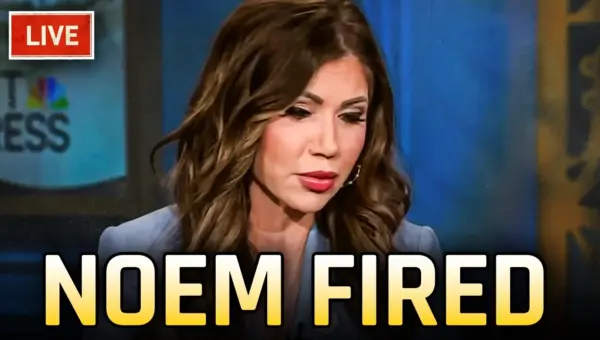
Trump Drops Kristi Noem: A Political Earthquake?
Speculation is rife as unconfirmed reports suggest Donald Trump has 'fired' Governor Kristi Noem. This alleged political severance highlights Trump's enduring influence and the precarious nature of alliances within the Republican party.
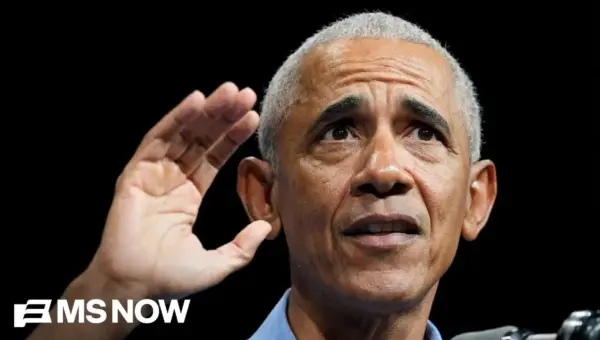
Obama Backs Virginia Redistricting Effort Amid Midterm Push
Former President Barack Obama has endorsed a redistricting effort in Virginia, aiming to counter Republican map changes ahead of the midterms. While supporters see it as a crucial move to "level the playing field," others believe its impact may be minimal amidst broader political and economic trends.

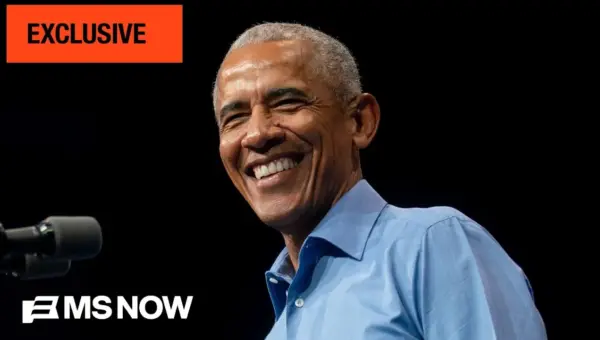
Obama Backs Virginia Redistricting Vote
Former President Barack Obama has endorsed a Democratic-backed proposal to redraw Virginia's congressional maps, urging voters to support the measure during early voting. The amendment aims to counter partisan gerrymandering and ensure fairer representation in the upcoming midterms. Obama highlighted the risks of unchecked power and called for voters to 'level the playing field.'