Germany’s Week in Review: From Winter Wonderland to Global Geopolitical Crosscurrents
This week in Germany offers a diverse snapshot, from the simple joy of an Australian expat experiencing their first German snowfall and the surprising quality of hospital meals, to pressing geopolitical issues like a travel warning for the US and growing economic anxieties. The informal review also delves into the nation's rich architectural heritage and the global implications of the Epstein files, highlighting Germany's multifaceted role in an interconnected world.


Germany’s Week in Review: From Winter Wonderland to Global Geopolitical Crosscurrents
Germany, a nation often viewed through the lens of its robust economy, rich history, and distinctive culture, frequently finds itself at the intersection of local happenings and global events. A recent informal ‘week in review’ – compiled from diverse online sentiments and observations – offers a fascinating, albeit eclectic, snapshot of the country’s pulse. From the simple joy of an Australian expat experiencing their first German snowfall to the complex intricacies of international travel warnings and domestic economic anxieties, Germany’s narrative is a tapestry woven with threads of everyday life, political discourse, and global interconnectedness.
This article delves into the various facets of a typical week in Germany, as perceived and discussed online, expanding on key themes with relevant context, historical background, and broader implications. It explores everything from the nation’s culinary reputation and healthcare system to its architectural marvels, the challenges facing its economy, and its unexpected role in international political scandals, all while highlighting the unique blend of tradition and modernity that defines the Federal Republic.
Winter’s Embrace: Snowfall and Seasonal Charms
The arrival of winter often transforms Germany into a picturesque landscape, a phenomenon particularly captivating for those accustomed to warmer climates. The sight of an Australian expat reveling in their first German snowfall encapsulates this seasonal delight. For many from continents like Australia, where snow is a rarity, the experience of a genuine European winter—complete with crisp air, frosted trees, and blankets of white—is a novel and cherished memory. Such simple, yet profound, experiences underscore the cultural exchange inherent in global migration and travel.
Germany’s climate, predominantly temperate, ensures that most regions experience distinct seasons, with winters often bringing snow, especially in higher elevations and eastern parts of the country. Cities like Dresden, mentioned in the review, frequently witness snowfall, contributing to the city’s already enchanting atmosphere, particularly around the festive period. The forecast of additional snow and temperatures hovering around negative one degree Celsius in Dresden points to typical winter conditions, ideal for building snowmen and engaging in snowball fights – quintessential winter activities that evoke a sense of childlike wonder. The speaker’s comparison to the significant snowfall in Indiana, USA, highlights the universal appeal and familiarity of winter’s embrace, even across vast geographical distances.
Beyond the immediate joy, the synergy between snow and Germany, particularly during the Christmas season, is profound. German Christmas markets, world-renowned for their festive ambiance, mulled wine, and traditional crafts, are often elevated by a dusting of snow, transforming towns into real-life fairy tales. This aesthetic appeal, coupled with the cultural traditions surrounding Advent and Christmas, creates an experience that is deeply embedded in the German identity and draws tourists from across the globe. The beauty of a snow-covered German town is not merely meteorological; it is deeply cultural, evoking feelings of warmth, tradition, and shared festivity.
Culinary Delights and Healthcare Realities: A Taste of Germany
German cuisine, often stereotyped, is in reality rich in regional diversity and culinary craftsmanship. The mention of Nürnberg sausages, lauded as the ‘best in all the world,’ serves as a testament to this tradition. Nürnberg Rostbratwürste, small, finger-sized sausages, are a protected regional specialty, famed for their unique blend of spices and preparation method, typically grilled and served with sauerkraut or potato salad. This regional pride extends across Germany, with each state and city boasting its own culinary treasures, from Bavarian pretzels and Weisswurst to Black Forest cake and Swabian Maultaschen.
However, the review also ventured into a less glamorous, but equally insightful, aspect of German food culture: hospital meals. The initial comparison of German hospital meals to ‘American school lunches’ by the American observer, often a pejorative comparison in the US context, quickly shifted to one of genuine surprise and appreciation. The observation that a particular meal ‘looked kind of fire’ and the emphatic praise for the quality of German bread (‘Wow, this bread is excellent’) reveal a common misconception about institutional food and highlight a fundamental difference in food culture. German bread, in particular, is a source of national pride, with a vast array of types, from hearty rye to wholesome whole grain, often baked fresh daily by local bakeries. Its quality is generally far superior to mass-produced varieties found in many other countries, making it a staple and often a highlight, even in institutional settings.
This discussion on hospital meals naturally segued into a broader comparison of healthcare systems, specifically the cost structure. The American observer’s assumption that hospital meals, like other amenities, might not be covered, given the US model where even basic medical services can incur substantial costs, was met with a revelation: ‘Meals are free for patients.’ This fact underscores a fundamental difference between the German and American healthcare systems. Germany operates a universal healthcare system, primarily funded by statutory health insurance contributions from employers and employees, supplemented by taxes. While patients may have co-pays for certain services or medications, the vast majority of essential care, including hospital stays and meals, is covered. This contrasts sharply with the US system, where high deductibles, co-insurance, and out-of-pocket maximums mean patients can face significant bills even with insurance, and amenities like hospital meals might be an additional charge or limited based on insurance plans.
The humorous aside about TV not being free in German hospitals (‘You do not need the food network to survive… You just need to eat the food to survive’) provides a subtle insight into priorities. While basic necessities like food are covered as part of essential patient care, non-essential entertainment is often an extra charge, reflecting a practical approach to resource allocation within a publicly funded system. This small detail, juxtaposed with the comprehensive coverage of meals, offers a telling glimpse into the differing philosophies of healthcare provision across nations.
Architectural Grandeur and Tourist Appeal: Rothenburg’s Timeless Beauty
Beyond the daily routines and culinary experiences, Germany’s historical and architectural heritage continues to captivate visitors. The unnamed photos, strongly implied to be of Rothenburg ob der Tauber, evoked a sense of awe, particularly from an American perspective where ‘this type of architecture that we just don’t have here in America’ is a rarity. Rothenburg ob der Tauber is arguably one of Germany’s most famous and well-preserved medieval towns, a quintessential example of historical European urban planning.
Nestled in Bavaria, Rothenburg is renowned for its intact city walls, cobblestone streets, half-timbered houses, and medieval town center. Walking through its gates feels like stepping back in time, offering a stark contrast to the often newer, more utilitarian architectural styles prevalent in many American cities. For tourists, especially those from North America, such historical authenticity is a major draw. It represents a tangible connection to centuries of history, craftsmanship, and cultural evolution that is often absent in the relatively younger urban landscapes of the United States. The town’s commitment to preserving its heritage, even in the face of modern development, ensures that its unique character remains a powerful magnet for global tourism.
Rothenburg is not an isolated case; Germany is dotted with countless towns and cities that boast stunning historical architecture, from the Romanesque cathedrals of Speyer and Worms to the Baroque palaces of Dresden and Würzburg. These sites, combined with Germany’s natural beauty and vibrant cultural scene, contribute significantly to its status as a premier tourist destination. The appreciation for these ‘badass’ historical structures reflects a universal human fascination with the past and the desire to experience living history, a desire Germany fulfills with unparalleled richness.
Political Satire and the Digital Age: The Jens Spahn Deepfake
German political discourse, like that in many democratic nations, is frequently punctuated by satire and humor. The mention of a ‘deepfake video’ showing former German Health Minister Jens Spahn ‘competently doing his job’ is a prime example of this. Jens Spahn, a prominent figure in the Christian Democratic Union (CDU) and a former high-profile minister, has been a subject of both praise and criticism throughout his career, particularly during the challenging years of the COVID-19 pandemic. The satirical jab, implying a perceived lack of competence or a wish for improved performance, resonates with a common sentiment of public scrutiny directed at political figures.
The use of ‘deepfake’ technology in this context is particularly noteworthy. Deepfakes, synthetic media in which a person in an existing image or video is replaced with someone else’s likeness, have emerged as a powerful, albeit often controversial, tool in the digital age. While they pose serious threats in terms of misinformation and propaganda, they also find application in satire, comedy, and artistic expression. In this instance, the deepfake serves as a form of political commentary, using hyperbole and digital manipulation to highlight public perception or frustration. The American observer’s comment that one could ‘replace that with pretty much any American politician and it would be funny’ underscores the universal nature of political satire and the shared human experience of scrutinizing those in power, regardless of national borders.
The rise of deepfake technology presents a complex challenge for societies, blurring the lines between reality and fabrication. While its use for comedic effect in this instance may seem innocuous, it highlights the broader implications of such technology for truth, trust, and the integrity of public discourse. As digital tools become more sophisticated, the ability to discern genuine information from manipulated content becomes an increasingly critical skill for citizens in an interconnected world.
International Relations and Domestic Turmoil: Germany’s Travel Warning for the US
Perhaps one of the most striking and diplomatically significant points raised in the review was Germany’s formal travel warning issued for the United States. This extraordinary measure, driven by events in Minneapolis, Minnesota, illustrates how domestic issues in one country can have profound international repercussions, affecting diplomatic relations, trade, and the safety perceptions of citizens abroad. For the American observer, the issuance of such a warning was ‘so embarrassing for us,’ highlighting a sense of national pride wounded by international scrutiny.
The context for this travel warning, as explained in the review, stemmed from a specific situation in Minneapolis involving the deployment of US Immigration and Customs Enforcement (ICE) agents. According to the account, this deployment was a response to a YouTube video that ‘purported to expose a lot of fraud going on in Minneapolis with legal immigrants, you know, opening up fake daycares and stuff, taking money… from the state.’ In response to these claims, the Trump administration reportedly sent ‘4,000 ICE agents into Minneapolis,’ leading to increased tensions, demonstrations, and clashes with authorities. This particular situation, characterized by the observer as ‘way, way, way worse’ than in other states and a ‘political catastrophe for Trump,’ eventually saw operations ‘winding down.’
A travel warning from a foreign government is a serious diplomatic tool, indicating that a country’s citizens might face significant risks while visiting another nation. Such warnings are typically issued for areas experiencing political instability, civil unrest, high crime rates, or natural disasters. Germany’s warning, advising ‘German citizens should be aware of demonstrations and clashes with American migration and security authorities,’ pointed directly to concerns about the safety and rights of its citizens, particularly those who might be perceived as immigrants or minorities, in a tense enforcement environment. This move reflected a broader international concern during the Trump administration regarding its immigration policies, particularly the aggressive tactics employed by ICE, which often led to widespread protests and allegations of human rights abuses.
The incident in Minneapolis, whether or not the initial fraud claims were substantiated, became a flashpoint for a larger debate about immigration enforcement, civil liberties, and racial profiling in the United States. The perception that ‘just having an accent now is reasonable suspicion’ highlights the fear and uncertainty felt by many, including foreign visitors, about potential interactions with law enforcement. For Germany, a nation with a strong commitment to human rights and a robust legal framework, such developments in an allied country would naturally trigger concern for its citizens’ well-being. This travel warning served as a stark reminder that domestic policies, particularly those involving law enforcement and immigration, are not confined to national borders but are observed and judged on the global stage, impacting a nation’s reputation and its relationships with international partners.
Economic Headwinds and Government Scrutiny: The Mittelstand’s Discontent
Domestically, Germany has been grappling with significant economic challenges, and the review highlighted growing discontent among its crucial middle class and small and medium-sized enterprises (SMEs). A survey by the BVMW (Bundesverband mittelständische Wirtschaft – the German Association for Small and Medium-sized Businesses), revealed a stark reality: nearly 64% of SMEs did not believe the current government could create the political conditions for an economic turnaround, and 79% saw ‘no committed effort’ from the governing ‘traffic light coalition’ to address their problems. This widespread disillusionment underscores a period of significant economic anxiety in the heart of Europe.
The ‘traffic light coalition’ (Ampelkoalition), comprising the Social Democratic Party (SPD), the Greens, and the Free Democratic Party (FDP), took office with a progressive agenda, but has faced an unprecedented series of crises. These include the fallout from the war in Ukraine, which triggered an energy crisis; persistent inflation; supply chain disruptions; and increasing global competition. Germany, as an export-oriented economy heavily reliant on industrial production, has been particularly vulnerable to these external shocks. The Mittelstand, a term referring to Germany’s vast network of highly specialized, often family-owned SMEs, is the backbone of the German economy, accounting for a significant portion of employment and innovation. Their dissatisfaction is therefore a critical indicator of the nation’s economic health and public sentiment.
The survey’s findings point to a perception that the government’s policies either do not adequately address the specific needs of SMEs or are not effective enough in mitigating the broader economic headwinds. Issues such as high energy costs, bureaucratic hurdles, labor shortages, and slow progress in digitalization are frequently cited by businesses as hindrances to growth and competitiveness. The sentiment, ‘I fear we are simply moving through a time in which no government can solve or address these problems in a way that would satisfy a broad segment of the population,’ reflects a deeper sense of political disillusionment and the enormity of the challenges faced, not just in Germany, but across many developed economies. It speaks to a global trend where complex, interconnected crises make it difficult for any government to deliver quick or universally satisfying solutions, leading to increased public skepticism and political polarization.
The Epstein Files: Global Implications and Reputational Damage
Finally, the review touched upon an international scandal with far-reaching implications: the publication of the Jeffrey Epstein files. The release of these documents, detailing the activities of the convicted sex offender, has sent shockwaves across the globe, implicating numerous high-profile individuals. The review specifically mentioned ‘former Prince Andrew’ and ‘Trump’ as being further implicated, but ‘most notably Elon Musk,’ due to his public denials and a specific allegation that ‘he was begging Epstein for a trip to the wildest party on his island’ after Epstein had already been convicted of soliciting prostitution from a minor.
The Jeffrey Epstein case stands as a chilling example of how wealth and power can be used to facilitate heinous crimes, and how a network of influential individuals can become entangled in such illicit activities. The systematic release of court documents, often a result of legal proceedings and public pressure, aims to bring transparency and accountability to a case shrouded in secrecy and speculation. For figures like Prince Andrew, the allegations have led to significant reputational damage and a withdrawal from public life. For others, like the former US President, the implications add another layer to an already contentious public image. The specific accusation against Elon Musk, as reported by the observer, highlights the persistent scrutiny faced by public figures and the long shadow cast by their associations, particularly when those associations involve criminal enterprises.
The critical detail that many of these alleged interactions or requests for trips occurred ‘after Epstein had already been convicted’ underscores a deeply troubling aspect of the scandal: the continued association of prominent individuals with a known pedophile, even after his criminal activities had been exposed. This raises questions about judgment, complicity, and the accountability of the elite. The Epstein files continue to be a source of legal and moral reckoning, demonstrating that even the most powerful individuals are not immune to the consequences of their actions and associations, and that such scandals transcend national borders, casting a pall over global elites.
Conclusion: A Multifaceted German Narrative
The ‘Last Week in Germany’ review, though informal and filtered through an American lens, offers a rich and diverse tapestry of experiences and issues. From the simple beauty of a winter snowfall and the unexpected delights of hospital cuisine to the weighty matters of international travel warnings, economic dissatisfaction, and global scandals, Germany emerges as a nation deeply integrated into the global fabric. Its domestic life is continually shaped by international events, and its internal dynamics are observed and commented upon from afar.
This snapshot underscores that modern Germany is a country of contrasts: a land of historical charm and contemporary challenges, of culinary traditions and evolving healthcare systems, and a significant player on both the European and global stages. The myriad of topics touched upon – from environmental beauty to political satire, from economic anxieties to ethical dilemmas – paints a comprehensive picture of a nation navigating the complexities of the 21st century, all while maintaining its unique identity and enduring appeal.
Source: LAST WEEK IN GERMANY [73] (YouTube)

Related Articles
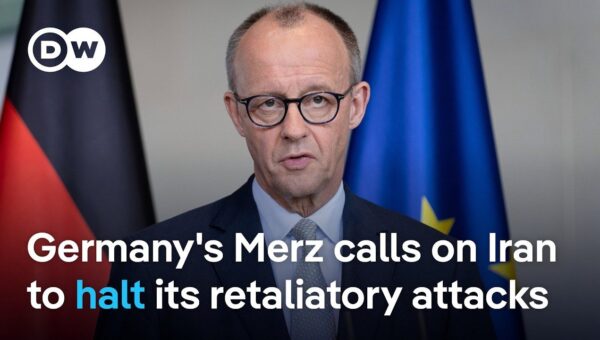
Germany on US-Israel Strikes: No “Lecturing” Partners
Germany's Chancellor Scholz calls on Iran to end its attacks and nuclear program but refrains from "lecturing" US-Israel on international law regarding recent strikes. Berlin increases security for Jewish institutions amid fears of retaliation.


Germany’s Fake Laws: AI Disinformation Campaign Exposed
Viral AI-generated videos falsely claim Germany has enacted absurd laws, including fines for flushing toilet paper. Experts reveal a disinformation campaign aiming to portray Germany as chaotic, with potential commercial or political motives behind the fabricated content.


Germany Navigates Tricky US-China Balancing Act
Germany faces a complex geopolitical challenge, needing to balance its alliance with the US and its economic ties with China. Experts suggest a 'smart approach' focusing on diversification and strategic autonomy, rather than a forced choice, is the most viable path forward.