Germany’s Week: From Border Walls and US Travel Concerns to Debates on Free Speech and Public Safety
German online communities recently buzzed with discussions ranging from critical views on US border policies and the cancellation of a student trip to America, to a significant debate on free speech concerning the insult of politicians. Amidst these serious topics, the tragic death of a train conductor sparked public safety concerns, while numerous posts celebrated Germany's scenic beauty, unique cultural traditions, and everyday pleasures like 'Feierabend'.

Germany’s Week: From Border Walls and US Travel Concerns to Debates on Free Speech and Public Safety
Insights gleaned from Germany’s most active online communities reveal a nation grappling with international perceptions, evolving legal frameworks, and the everyday tapestry of its rich culture. Trending discussions across popular German subreddits, particularly r/de and r/germany, highlight a diverse range of topics, from critical assessments of US policy to poignant reflections on national identity and public discourse.
A Tale of Two Walls: US-German Relations Under Scrutiny
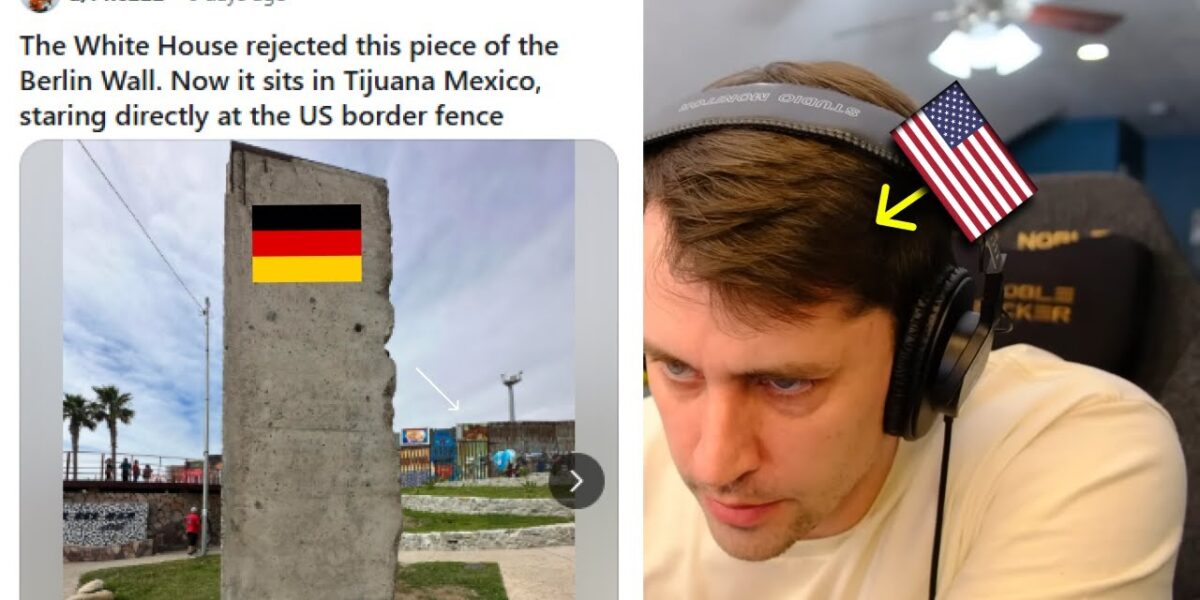
A recurring theme in recent online discussions centers on the United States, particularly its political actions and their global reverberations. One prominent post highlighted a piece of the Berlin Wall, a potent symbol of division overcome, now situated in Tijuana, Mexico, pointedly facing the US border fence. This installation, accompanied by a plaque proclaiming "a world without walls" and celebrating humanity’s transcendence of barriers, serves as a powerful commentary on contemporary border policies, particularly those advocated by former US President Donald Trump regarding the US-Mexico border.
The symbolism is stark: a relic of a divided past, now repurposed to critique a perceived new era of division. While pieces of the Berlin Wall are indeed scattered globally, including in various US cities like Chicago and Washington D.C., their placement is often commemorative. The Tijuana piece, however, carries an overtly political message, prompting reflection on the global perception of US border policies and their alignment with universal ideals of openness and unity. The contrast between the historical context of the Berlin Wall’s fall – celebrated as a victory for freedom and connectivity – and the current emphasis on physical barriers in other parts of the world, resonates deeply within German discourse.
Further underscoring a cautious stance towards the US, another widely discussed post reported the cancellation of a student trip to America by the Muheheim Gymnasium high school. The reason cited was the US government’s plans for stricter entry requirements, which the school deemed to pose "completely incalculable risks." This decision reflects a broader concern among international educational institutions and travelers about the predictability and ease of entry into the United States. Such cancellations impact not only cultural exchange and educational opportunities but also subtly erode the US’s soft power and attractiveness as a destination for tourism and study. The perception of a nation becoming less welcoming or more bureaucratic can have long-term implications for its international standing and relationships.
Freedom of Speech in Focus: Debating Insults to Politicians
A significant domestic debate captured the attention of German netizens: a proposed change to consumer protection laws that would involve the deletion of a specific criminal offense concerning the insult of politicians. This discussion delves into the nuances of freedom of speech within Germany’s legal framework, which traditionally has stricter defamation and insult laws compared to some other Western nations, particularly the United States.
Historically, German law, specifically Section 188 of the Criminal Code (StGB), provided enhanced protection against defamation and insult for individuals holding political office, especially when the insult was related to their public duties and could potentially hinder their political work. This special protection was intended to safeguard democratic processes and prevent the intimidation of public servants.
The proposed reform, however, aims to abolish this specific provision, meaning that insults against politicians would no longer be treated under a separate, more stringent law. Instead, they would fall under the general provisions for insult (§185 StGB) or defamation (§186 StGB), which apply to all citizens. This move is seen by many as a step towards greater equality before the law, ensuring that politicians do not receive preferential treatment over ordinary citizens when it comes to verbal attacks. Proponents argue that in a robust democracy, public figures should be able to withstand critical, even harsh, commentary, and that special protections can create a chilling effect on legitimate criticism.
However, the debate is not without its complexities. Concerns have been raised, particularly regarding local politicians who may lack the resources or public visibility to defend themselves against concerted campaigns of insult or harassment. Some argue that removing special protections could expose them to increased abuse, potentially deterring individuals from entering public service. The online discourse reflects these varied perspectives, highlighting a societal grappling with the balance between robust free speech, the protection of individuals, and the integrity of democratic institutions.
Tragedy on the Tracks: Public Safety Concerns
A somber topic that resonated deeply within the German online community was the tragic death of a train conductor. Reports indicated that the conductor died after being attacked by a passenger during a ticket check. This incident sparked widespread outrage and sorrow, prompting discussions about public safety on trains and the risks faced by public service personnel.
While Germany’s public transport system is generally regarded as safe and efficient, such violent incidents, though rare, underscore the vulnerabilities of frontline workers. The idea that a life could be lost over a ticket – a seemingly minor infraction – shocked many. The event serves as a stark reminder of the importance of respect for public service employees and the need for adequate safety measures in public spaces. It also ignited conversations about societal aggression and the consequences of a breakdown in civil conduct.
Glimpses into German Life: Culture, Nature, and Daily Rituals
Amidst the more serious discussions, German subreddits also offered a delightful array of posts celebrating the nation’s natural beauty, cultural quirks, and cherished traditions.
- Scenic Splendor: Numerous posts showcased Germany’s breathtaking landscapes. Images of "gorgeous forests" with their characteristic twisty trees, majestic castles nestled amidst lush greenery, and stunning natural phenomena like snow-covered regions (e.g., the Palatinate) and vibrant rainbows, painted a picture of a country deeply connected to its environment. The iconic Cherry Blossom Avenue, particularly in Bonn, also featured prominently, reminding users of the enduring symbol of friendship and reconciliation, with many trees historically donated by Japan.
- Everyday Pleasures: The concept of "Feierabend" – the cherished end of the workday – was celebrated with a "starter pack" featuring pizza, beer, and a view of train tracks. This simple yet profound ritual highlights the German appreciation for relaxation and unwinding after a day’s labor. The distinct Italian style of pizza seen in European contexts also sparked commentary, underscoring regional culinary influences.
- Unique Delights: The "Volkswagen Currywurst" – a surprising but beloved product from the car manufacturer – and a massive, crunchy cookie filled with butter, hazelnuts, and almonds, provided glimpses into Germany’s diverse and often hearty culinary landscape.
- Cultural Quirks: Posts featuring a "German jump scare devil statue" and a "tractor parade" offered humorous insights into local traditions and rural life. The tractor parade, in particular, resonated with users from other countries, highlighting universal aspects of countryside culture and community celebration.
Conclusion
The snapshot of Germany presented through its online communities reveals a nation engaged in critical self-reflection and outward observation. From challenging international political narratives to robust debates on fundamental rights and mourning collective tragedies, the digital public square serves as a vital barometer of national sentiment. Simultaneously, the enduring appreciation for Germany’s natural beauty, culinary traditions, and unique cultural expressions underscores a deep sense of identity and pride. These online conversations not only provide a window into the German psyche but also contribute to an ongoing dialogue about its place in a rapidly changing world.
Source: LAST WEEK IN GERMANY [74] (YouTube)

Related Articles
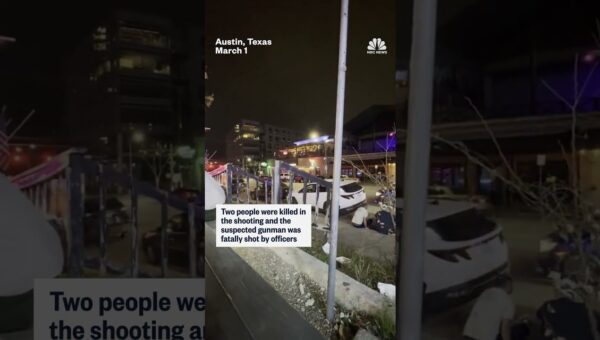
Gunfire Erupts Near Austin Bar, Video Shows
A video capturing the sound of gunshots near a popular Austin bar has surfaced, showing people scattering amidst the chaos. Authorities are investigating the incident, though details remain scarce. The emergence of the video is expected to aid law enforcement in their probe.
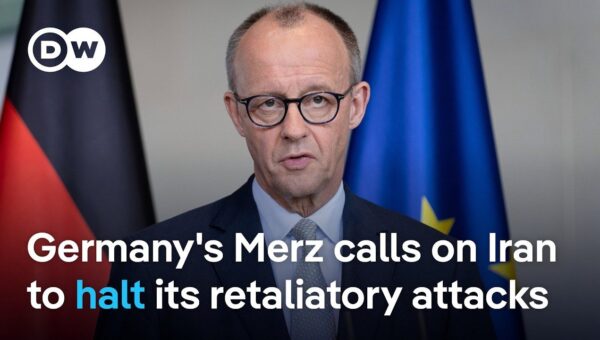
Germany on US-Israel Strikes: No “Lecturing” Partners
Germany's Chancellor Scholz calls on Iran to end its attacks and nuclear program but refrains from "lecturing" US-Israel on international law regarding recent strikes. Berlin increases security for Jewish institutions amid fears of retaliation.


Austin Bar Shooting Claims 3 Lives in Early Morning Violence
At least three people were killed and several others injured in a shooting at a bar in downtown Austin early Saturday morning. Law enforcement is currently investigating the incident, which occurred in a busy entertainment district, and urging anyone with information to come forward.