Germany’s Labor Market Paradox: Millions Unemployed, Yet Short of Workers
Germany is experiencing a complex labor market paradox, with millions unemployed while industries face critical skill shortages. Economic challenges and the rise of AI further complicate the situation, necessitating urgent solutions for skills alignment and workforce adaptation.

Germany Grapples with Labor Market Paradox
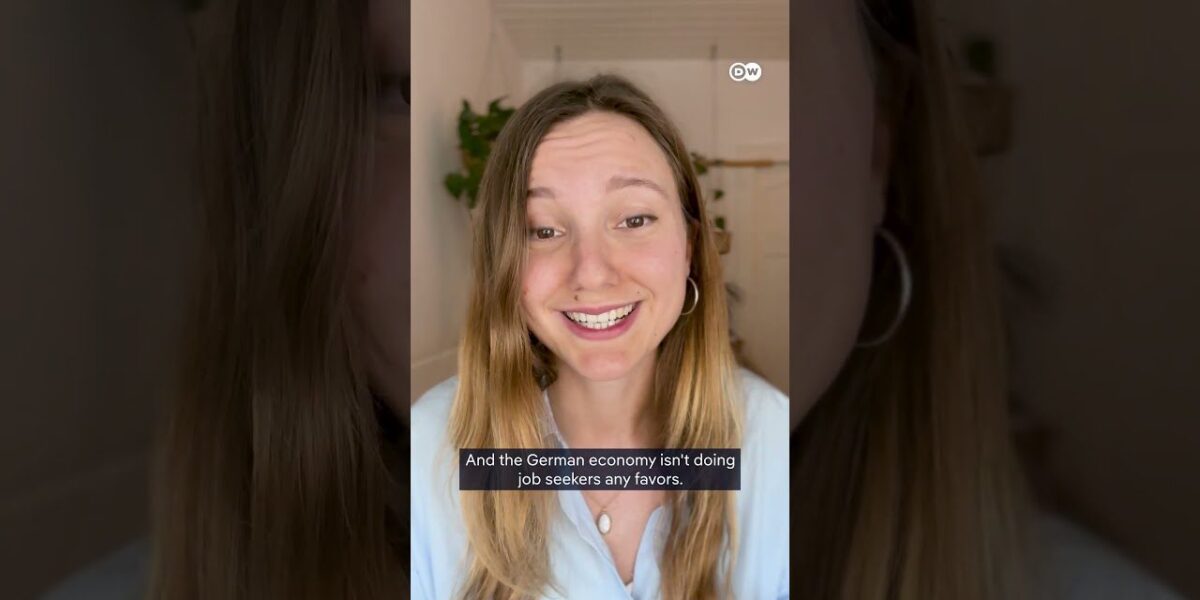
Germany, Europe’s largest economy, is facing a perplexing paradox: millions of its citizens are unemployed or seeking work, while simultaneously, industries are crying out for skilled labor. This “mismatch” within the German labor market, as described by DW News, highlights a growing disconnect between the skills possessed by job seekers and the demands of employers, hindering economic growth and creating frustration for both parties.
The Dual Challenge: Unemployment and Skill Shortages
The situation is characterized by a stark contrast. On one hand, there are millions of individuals actively looking for employment. On the other, numerous companies are struggling to fill vacant positions, particularly those requiring specialized skills. This disconnect is not merely an inconvenience; it represents a significant impediment to the nation’s economic vitality. As one applicant shared, “We are at 136 applications now. Mechanical engineering searching for over a year now.” This sentiment underscores the prolonged and often fruitless job search experienced by many.
Economic Headwinds Exacerbate the Issue
Adding to the complexity, the German economy itself is facing considerable headwinds. Sluggish economic growth, geopolitical tensions leading to trade conflicts, persistent supply chain issues, and high labor and energy costs are creating a challenging environment for businesses. These factors make companies hesitant to expand and hire, even when there is a clear need for workers. “Companies are to h because economic growth is sluggish,” the report notes, pointing to external pressures that compound the internal labor market challenges.
The Impact of Artificial Intelligence on the Workforce
The rapid advancement and integration of Artificial Intelligence (AI) are further complicating the landscape, particularly for recent graduates and those in roles susceptible to automation. AI is increasingly capable of performing tasks that were once considered integral to entry-level and even specialized jobs. This technological shift necessitates a workforce that can adapt and acquire new skills. As highlighted in the report, the critical use of AI requires “quick familiarization with new topics, social skills, and teamwork ability.” This implies a growing demand for soft skills and a capacity for continuous learning, areas where traditional education or training might fall short.
Bridging the Gap: Skills and Training Needs
The core of Germany’s labor market challenge lies in the “mismatch” – where open positions and job seekers exist, but the profiles do not align. This suggests a need for more targeted education, vocational training, and upskilling initiatives. The skills gap is evident across various sectors, and without intervention, it risks widening further. The report implicitly calls for a more agile and responsive training system that can equip individuals with the competencies demanded by modern industries, especially in the context of technological disruption.
Broader Implications for Germany’s Economic Future
The implications of this labor market paradox extend beyond individual frustration. A persistent shortage of skilled workers can stifle innovation, reduce productivity, and impact Germany’s competitiveness on the global stage. If industries cannot find the talent they need, they may be forced to relocate or scale back operations, leading to job losses and economic stagnation. Furthermore, the inability to integrate a significant portion of the unemployed population into the workforce represents a loss of potential economic output and a strain on social welfare systems.
What Lies Ahead?
Addressing Germany’s labor market mismatch will require a multi-faceted approach involving government, educational institutions, and businesses. Future efforts will likely focus on reforming vocational training, promoting lifelong learning, and adapting educational curricula to meet the evolving demands of the economy, particularly in areas influenced by AI and digitalization. The success of these initiatives will be crucial for Germany’s sustained economic prosperity and social cohesion in the years to come.
Source: The 'mismatch' within Germany's labor market | DW News (YouTube)

Related Articles

The Great Cull: A Million Jobs Vanish as ‘Useless Class’ Emerges, Threatening Societal Stability
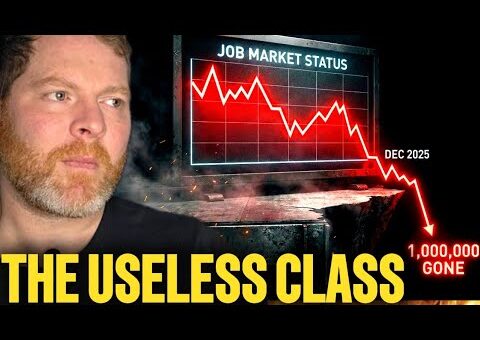
A profound shift is underway in the global labor market, with the 'useless class' – individuals deemed unemployable by the economic system – rapidly transitioning from a theoretical concept to a stark reality. Recent US data shows one million more job seekers than available jobs, fueling a 'Great Refusal' as workers become disillusioned with a broken system. This structural decoupling of profit from labor, driven by AI and automation, threatens societal stability, pushing millions towards economic precarity and sparking warnings of potential revolution or collapse if not addressed.

Trump Threatens “Unseen” Force on Iran After Leader’s Death
Following the assassination of Supreme Leader Ayatollah Ali Khamenei, U.S. President Donald Trump has vowed to unleash unprecedented force on Iran. While outlining ambitious goals including regime change, experts express skepticism about the effectiveness of airstrikes and the potential for popular uprising against a resilient Iranian government.


Senator Coons Questions Trump’s Iran Strategy After Troop Deaths
Senator Chris Coons has sharply criticized President Trump's strategy in Iran following the deaths of three U.S. service members. Coons questioned the intelligence regarding Iran's nuclear proximity and the lack of clear strategy and congressional debate for the "war of choice."