Germany’s Defense Budget Struggles: Bureaucracy vs. Security Needs
Germany is struggling to spend its increased defense budget due to deep-seated bureaucratic hurdles and a need for a fundamental mindset shift after decades of prioritizing a 'peace dividend.' Despite ample funding, the nation faces challenges in industrial capacity, joint European projects, and rapid procurement, as highlighted by recent war games and ongoing defense debates.

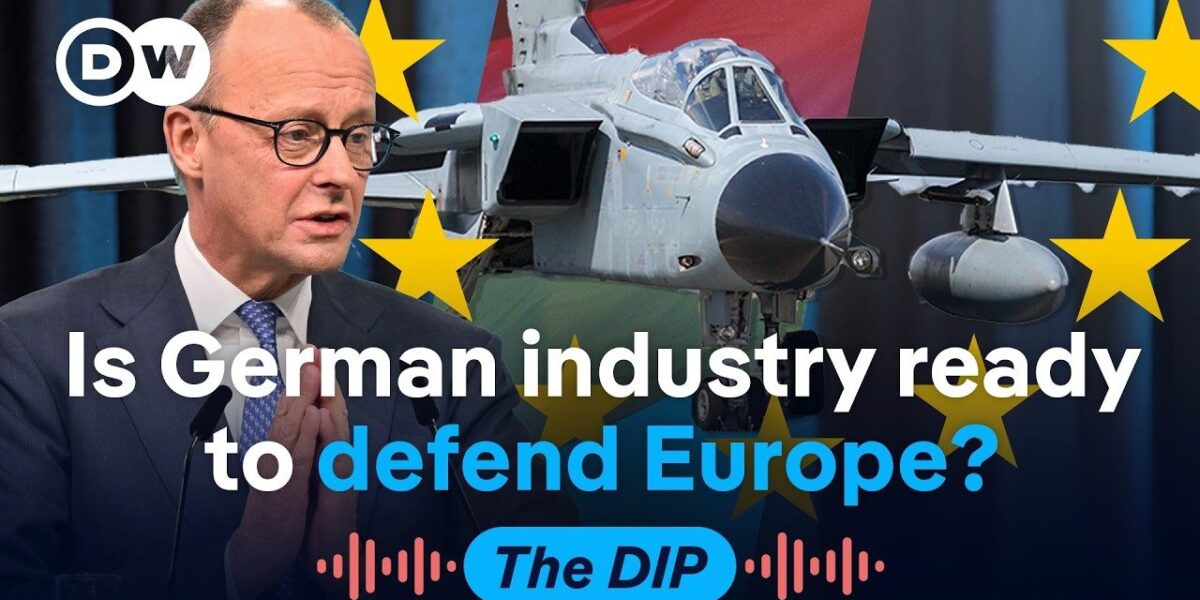
Germany Grapples with Defense Spending Amid Shifting Geopolitical Landscape
In the wake of escalating global tensions and a stark warning from Chancellor Olaf Scholz that the post-1945 rules-based order is effectively over, Germany finds itself in a critical juncture regarding its defense capabilities. Despite a significant increase in its defense budget, the nation is encountering substantial hurdles in translating political will into tangible military strength. The core of the issue lies in a complex interplay between bureaucratic inertia, industrial capacity limitations, and a fundamental shift in strategic mindset required after decades of prioritizing a “peace dividend.”
The “Peace Dividend” Legacy and a Sobering War Game
For thirty years, Germany, like many Western nations, benefited from a period of relative peace, allowing for a reduction in defense spending and a focus on other priorities. This era, however, has been abruptly challenged by Russia’s aggressive actions, extending beyond Ukraine to hybrid attacks on Western infrastructure. A recent war game conducted by journalistic colleagues in conjunction with the University of the German Armed Forces highlighted the stark reality of this new security environment. The simulation, which modeled a Russian incursion into Lithuania where German forces are stationed, yielded a sobering outcome: European forces struggled to respond effectively without U.S. leadership, and Germany hesitated to act militarily. In the game, Russia achieved most of its objectives within days, exploiting ambiguities around NATO’s Article 5 mutual defense clause.
“The outcome of that war game was really sobering. They said that the European forces struggled to respond effectively without US leadership and Germany hesitated to act militarily and Russia essentially in that game achieved most of its objectives within days.”
The Nuclear Question and European Strategic Autonomy
Chancellor Scholz’s call for Europe to act as a power, not a referee, has ignited discussions about greater European strategic autonomy, including the controversial idea of an independent European nuclear deterrent. This contemplation is deeply intertwined with Germany’s reliance on the U.S. nuclear umbrella. Having made a conscious decision not to develop its own nuclear weapons due to international treaties, Germany now faces a quandary should U.S. support waver. While direct talk of Germany falling under a French nuclear umbrella is met with caution by experts, the current U.S. nuclear weapons stationed on German soil would need a new framework if they were to be withdrawn. Germany cannot produce its own nuclear weapons due to the Treaty on German Reunification and the Treaty on Non-Proliferation, yet acknowledges the need for a deterrent capability.
Challenges in Joint European Defense Projects
The aspiration for greater European defense cooperation is further complicated by internal disagreements, notably between Germany and France. The Future Combat Air System (FCAS) program, a joint fighter jet project intended to work with drones, exemplifies these challenges. France, as a nuclear power, desires a nuclear-capable jet, while Germany, lacking nuclear weapons and possessing U.S. bombs on its soil, sees no such requirement. This divergence highlights a broader paradox: public calls for cooperation clash with behind-the-scenes national interests and strategic visions. Experts note that while France urges Germany to increase its defense spending, disagreements persist on the specifics of collaborative projects.
Bureaucracy: The “Perennial Nightmare”
The most significant obstacle to Germany’s defense spending remains its deeply entrenched bureaucracy. Defense Minister Boris Pistorius faces the immense task of not only ordering weapons but also navigating a system where acquiring even basic equipment like drones is a complex, multi-layered process. The German army, accustomed to a thirty-year period of low-threat expectations, needs a fundamental mindset shift. Procurement processes that were once slow but acceptable are now a critical vulnerability in the face of hybrid warfare and the need for rapid rearmament.
The army requires drones, but the procurement process involves changing rules within ministries that are inherently slow-moving. The hesitation to trust Ukrainian-provided drones, despite their battlefield experience, in favor of established companies, further illustrates the bureaucratic hurdles. This cautious approach, while stemming from a desire to avoid past procurement scandals – such as those involving consultancy spending or unfit military hardware – now hinders the speed required to modernize and replenish stocks depleted by aid to Ukraine.
“The money is there, but the industrial capacity to make what Germany wants will take time to build. It’s a complex tangle between what politics wants and what industry can actually provide.”
Parliamentary Oversight and Mindset Change
Adding another layer of complexity is the German army’s parliamentary nature. Decisions on missions and expenditures exceeding €25 million require approval from the Bundestag (German Parliament). While this ensures democratic oversight, some argue that the sheer volume of smaller procurement decisions requiring parliamentary sign-off slows down the process. The need for parliamentarians to approve numerous proposals, often without deep technical understanding, can lead to frustration and delays. A fundamental change in mindset, encouraging faster decision-making and out-of-the-box thinking at all levels of the military and bureaucracy, is deemed essential.
The Path Forward: Speed and Adaptation
Germany’s commitment to significantly increasing its defense spending is a crucial step. However, the success of this initiative hinges on overcoming deeply ingrained bureaucratic processes and fostering a more agile, adaptive defense establishment. The coming months will be critical in observing whether Germany can effectively streamline its procurement, foster genuine European defense cooperation, and fundamentally shift its strategic culture to meet the evolving security challenges of the 21st century. The ability to rapidly acquire and deploy necessary military capabilities, from drones to advanced fighter jets, will be a key indicator of Germany’s commitment to its new role as a European power.
Source: Why Germany is struggling to spend its defense budget | The Dip Podcast (YouTube)

Related Articles

Europe Faces Post-Cold War Order Collapse After Munich Security Summit
Western leaders at the Munich Security Conference acknowledged the end of the post-Cold War security order, raising concerns for Europe's future. Ukrainian President Zelenskyy urged continued support against territorial concessions, while transatlantic tensions underscored the shifting geopolitical landscape.
Europe Rethinks Nuclear Deterrence Amid US Uncertainty
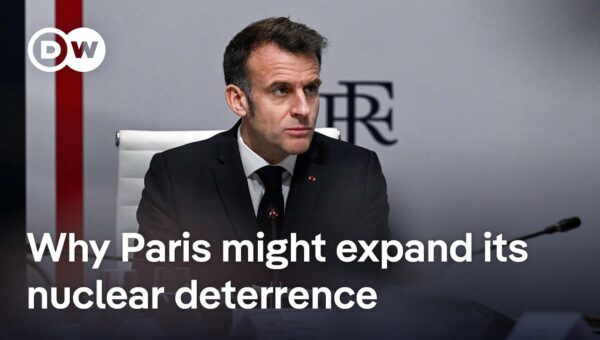
European leaders are contemplating an expansion of their nuclear arsenals due to growing uncertainty over the US nuclear umbrella. Discussions between France and Germany explore extending nuclear deterrence, though Germany remains committed to non-proliferation treaties. Experts warn of the immense costs and potential weakening of NATO.

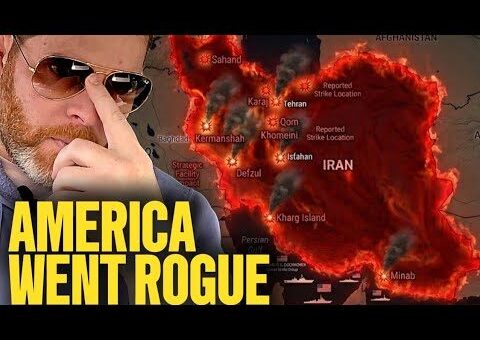
US Launches Iran Operation Alone as Allies Distance Themselves
The United States has launched a major military operation in Iran, "Operation Epic Fury," without the backing of NATO allies, who have publicly distanced themselves. Critics argue this unilateral action highlights America's growing international isolation and economic instability, while ordinary citizens face increasing domestic hardship.