Germany’s Climate Goals Falter Amidst Policy Mixed Signals
Germany's reputation as a climate leader is under threat as a new report reveals stalled progress in reducing greenhouse gas emissions. Despite ambitious goals, mixed policy signals and proposed rollbacks on green initiatives are raising concerns about the nation's commitment to its climate targets. Experts warn that a lack of clear strategy could jeopardize Germany's ability to meet crucial emission reduction deadlines.

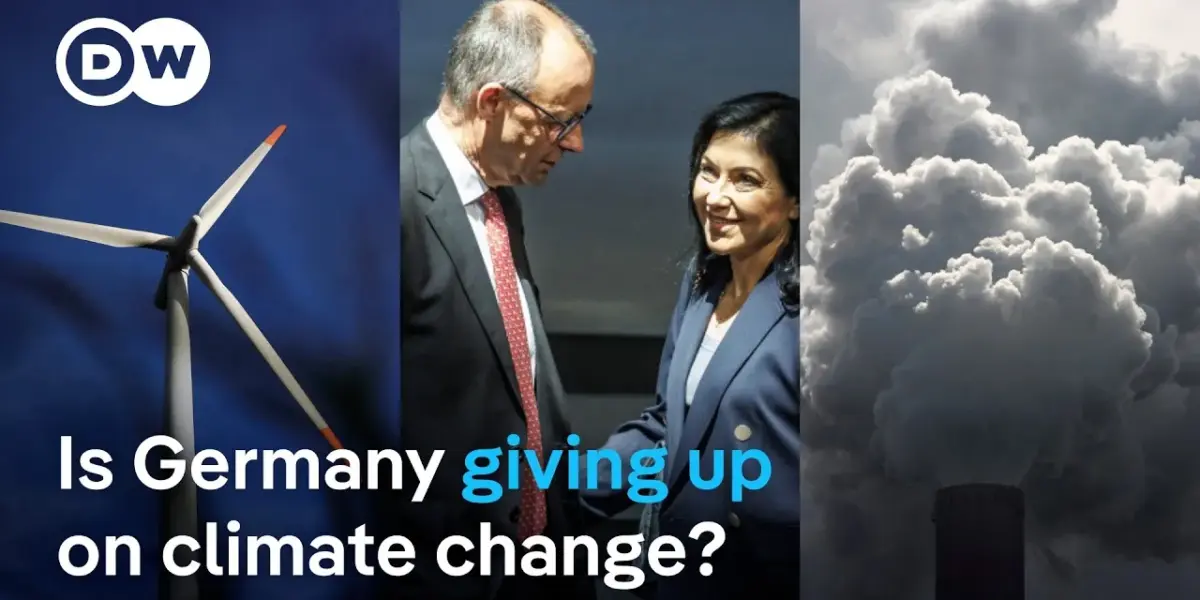
Germany’s Green Ambitions Under Scrutiny
Germany, long celebrated as a global leader in climate action, is facing growing concerns that its commitment to environmental goals is wavering. While the nation has made significant strides in renewable energy, particularly wind and solar power, recent policy decisions and mixed messaging from the government are casting doubt on its ability to meet its own ambitious targets. A new climate protection plan, intended to guide the country’s green transition, has been criticized by experts for having significant gaps and contradictions.
Emissions Progress Stalls, Goals in Jeopardy
Data released by Germany’s own environment agency in March revealed a worrying trend: greenhouse gas emissions saw only a minimal drop of 0.1% last year. This lack of substantial progress puts Germany at risk of missing its legally binding climate goals. The country has committed to a 65% reduction in emissions by 2030, compared to 1990 levels, and aims to achieve climate neutrality by 2045. Experts argue that the current pace of reduction is far too slow, especially in crucial sectors like transportation and buildings, which rely heavily on oil and gas.
“The progress is simply too small overall. While renewables have achieved a lot in the electricity sector, progress in the transport and building sectors regarding oil and gas consumption is not great enough.”
A Climate Plan with Apparent Flaws
In late March, Environment Minister Steffi Lemke presented the government’s climate protection program, outlining 67 measures designed to cut emissions and accelerate the green transformation. The program is described as an “independence package” aimed at making the economy and society more resilient to future oil and gas price shocks. However, critics like Niklas Höhne, a climate policy expert, point out a significant problem: the lack of a coherent, overarching strategy. “We currently have no general overall concept for how to proceed with climate policy,” Höhne stated. “Some policies increase emissions, some decrease emissions, and the net effect is not positive—at least not enough to meet the climate targets.”
Conflicting Policy Signals Emerge
Several proposed measures within the government’s plan have drawn particular criticism for potentially increasing emissions. These include plans to relax requirements for climate-neutral heating systems in homes and to loosen restrictions on combustion engine cars after 2035. This apparent backtracking on climate goals is compounded by mixed messaging from government officials. While some ministers, including the Chancellor, have reaffirmed Germany’s commitment to ambitious climate targets and expanding renewable energy, others have sent conflicting signals.
Subsidies Cut, Targets Questioned
Adding to the confusion, the government is considering cutting subsidies for small, private solar systems, a move that could discourage widespread adoption of rooftop solar power. Furthermore, there have been instances where high-ranking officials have suggested that the European Union’s emissions targets are too strict. Most recently, one official urged Germany to secure more natural gas supplies through long-term contracts, citing energy security concerns related to the war in Ukraine. This approach risks undermining the very transition away from fossil fuels that Germany claims to champion.
Messaging Matters: The Impact of Mixed Signals
The inconsistency in government communication creates uncertainty for businesses and the public. When policymakers signal a relaxation of climate rules, it can lead markets and individuals to adjust their expectations, potentially slowing down the necessary decarbonization efforts. Experts warn that sending mixed signals about Germany’s commitment to renewable energy and emission reduction could jeopardize its long-term climate goals and its reputation as a climate leader.
Looking Ahead: Can Germany Regain Its Climate Momentum?
The coming months will be crucial for Germany to clarify its climate policy direction. The government must address the criticisms of its climate protection plan and demonstrate a clear, unified strategy for achieving its emission reduction targets. The world will be watching to see if Germany can overcome these policy contradictions and reaffirm its leadership in the global fight against climate change, particularly in the lagging transport sector, where other nations are making more significant strides. Rebuilding trust and providing consistent leadership will be key to ensuring Germany’s green transition stays on track.
Source: Is Germany turning its back on climate action? | DW News (YouTube)

Related Articles


Russia Reels as Floods Submerge Cities, Expose Systemic Failures
Devastating floods have submerged cities and towns across Russia, exposing systemic failures in infrastructure maintenance and disaster preparedness. Dam failures, ongoing neglect, and alleged corruption have worsened the crisis, particularly in Dagestan. The situation raises questions about resource allocation as the nation continues its military operations in Ukraine.


Germany Boosts Digital Defenses Amid Rising Cyber Threats
Germany is planning to boost its digital defenses and potentially launch offensive cyber operations, including 'hackbacks,' in response to a rise in cyber attacks. The controversial strategy aims to counter threats targeting critical infrastructure and government agencies, but faces criticism over identification challenges and potential unconstitutionality. Experts also highlight a severe shortage of IT professionals as a major hurdle.

German Bureaucracy Crushes Beekeeping Dream, Sparks Outrage
A German beekeeper's passion project faces demolition due to building code violations, sparking outrage and debate about bureaucratic overreach. The incident highlights the tension between strict regulations and individual livelihoods, questioning the fairness of government enforcement.