Germany’s $90 Billion China Trade Gap Looms Large
Germany's trade deficit with China has surged to nearly 90 billion euros, revealing a significant imbalance that poses a challenge for Economics Minister Phil Matz. As China reclaims its status as Germany's top trading partner, the nation faces deep industrial ties and shifting export dynamics.

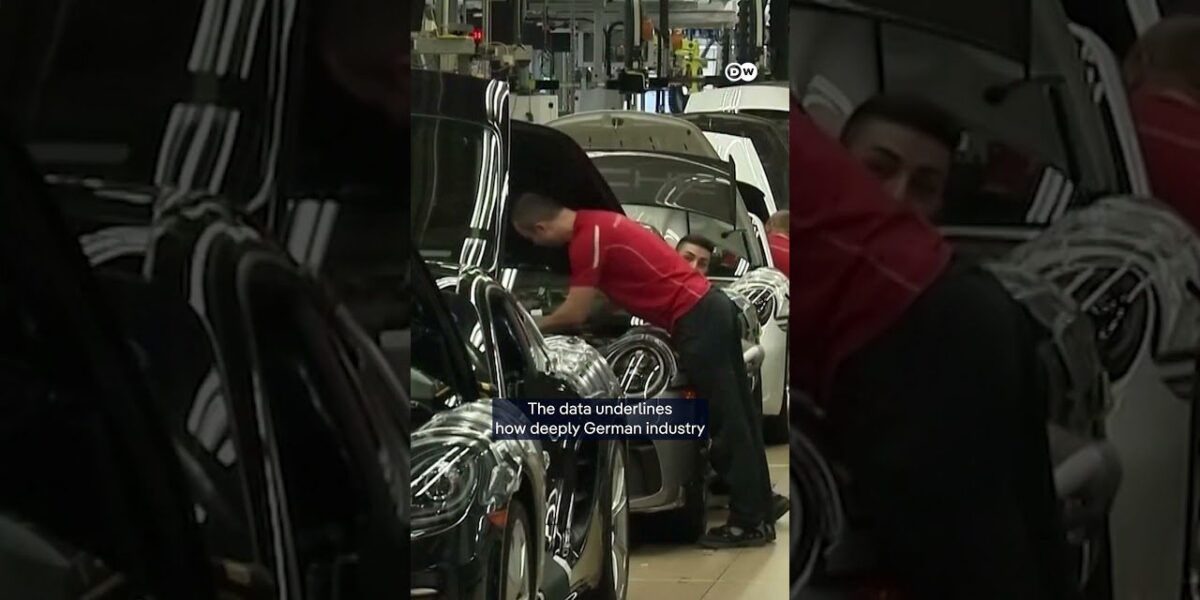
Germany Grapples with Soaring Trade Deficit with China
Germany’s economic relationship with China has taken a significant turn, with the trade deficit between the two nations exploding to nearly 90 billion euros in the past year. This widening gap highlights a growing imbalance in trade, posing a critical challenge for German policymakers, including the newly appointed Economics Minister, Phil Matz, who is set to address the issue during his inaugural visit to China.
Record Trade Imbalance Revealed
Data reveals that Germany’s trade deficit with China surged by 30 billion euros, reaching an alarming total of nearly 90 billion euros. In 2025, Germany imported over 170 billion euros worth of Chinese goods while exporting only approximately 81 billion euros. This stark imbalance underscores a significant shift in the trade dynamics between Europe’s largest economy and the Asian powerhouse.
China Reclaims Top Trading Partner Status
The figures also show China has reasserted its position as Germany’s number one trading partner. In 2025, total trade between the two nations exceeded 251 billion euros. This development follows a brief period in 2024 when the United States held the top spot, a position that was lost after German exports to the U.S. experienced a sharp decline. From January to November 2025, German exports to the U.S. dropped by 9.4%, falling to around 135 billion euros, a consequence of increased U.S. tariffs.
“The direction has flipped. German automakers once dominated China’s market. Now German car exports are down by about a third while China ships its own much cheaper vehicles to Europe.”
Deep Industrial Ties Amid Shifting Patterns
The data underscores the profound integration of German industry with the Chinese market, spanning sectors from machinery and electronics to crucial industrial components. However, the nature of this relationship is changing. Historically, German automakers were dominant players in China. Today, their exports have plummeted by approximately one-third, as Chinese manufacturers increasingly export their own more affordable vehicles into the European market.
European Union Provides Economic Buffer
Despite the significant downturn in exports to both China and the United States, the European Union has acted as a crucial economic stabilizer for Germany. Increased orders from within the EU bolstered overall German exports by 1% in 2025. Exports to EU partners saw a rise of about 4%, effectively cushioning the impact of the trade challenges posed by China and the U.S. This reliance on intra-European trade highlights the importance of the single market for Germany’s economic resilience.
Key Challenges for Economics Minister Matz
Economics Minister Phil Matz arrives in Beijing facing the critical question of whether Germany can afford to maintain its deep economic dependence on China. The soaring trade deficit, coupled with the shifting export landscape, presents a complex set of challenges. Matz’s visit is seen as a crucial opportunity to discuss these imbalances and explore strategies for a more balanced and sustainable economic partnership.
Looking Ahead: Diversification and Rebalancing
As Germany confronts this escalating trade deficit with China, the focus will undoubtedly shift towards strategies for economic diversification and rebalancing. The success of Minister Matz’s diplomatic efforts in Beijing, alongside Germany’s ongoing efforts to strengthen trade ties within the EU and explore new markets, will be critical in navigating the complexities of the global economic landscape and mitigating future risks associated with over-reliance on a single major trading partner.
Source: Germany's 90 billion China problem | DW News (YouTube)

Related Articles
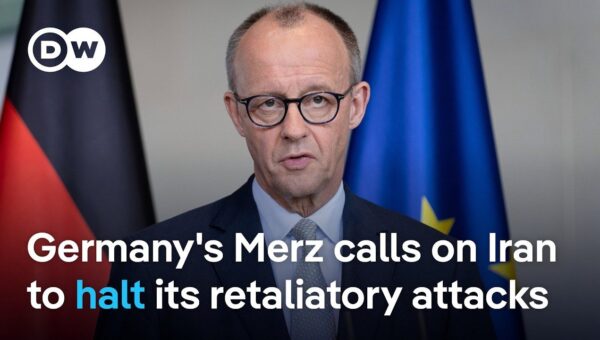
Germany on US-Israel Strikes: No “Lecturing” Partners
Germany's Chancellor Scholz calls on Iran to end its attacks and nuclear program but refrains from "lecturing" US-Israel on international law regarding recent strikes. Berlin increases security for Jewish institutions amid fears of retaliation.


Germany’s Fake Laws: AI Disinformation Campaign Exposed
Viral AI-generated videos falsely claim Germany has enacted absurd laws, including fines for flushing toilet paper. Experts reveal a disinformation campaign aiming to portray Germany as chaotic, with potential commercial or political motives behind the fabricated content.
Taiwan’s Nuclear Dilemma: Deterrence or Disaster?
As China expands its nuclear arsenal and military presence, the question of whether Taiwan should possess nuclear weapons or host U.S. nuclear arms gains urgency. The debate weighs the potential for deterrence against the risks of escalation, drawing parallels to Ukraine's disarmament and Taiwan's own past nuclear ambitions.