Germany Weighs Mideast Conflict Amid Trump-Merz White House Summit
German Chancellor Friedrich Merz meets President Trump in Washington amid escalating U.S.-Israeli military actions in Iran. The talks will focus on regional security, Germany's cautious stance, and potential implications for European stability and trade.

Germany Navigates Complex Geopolitical Landscape in White House Talks
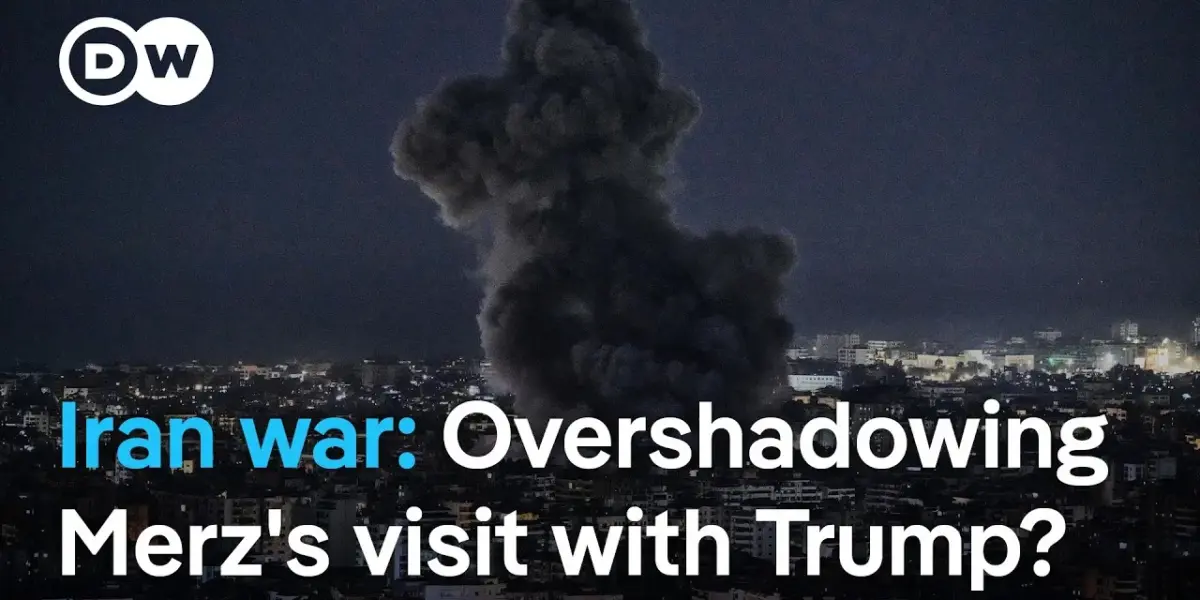
Berlin, Germany – German Chancellor Friedrich Merz is set to visit the White House on Tuesday for crucial talks with U.S. President Donald Trump, with the recent U.S.-Israeli military strikes in Iran expected to dominate the agenda. This marks Merz’s second visit to Washington since assuming office a year ago, and it comes at a time of heightened global tensions and domestic political considerations for both leaders.
Shared Concerns Over Iran’s Nuclear Ambitions
Chancellor Merz, speaking to reporters in Berlin following the U.S.-Israeli actions, expressed a sentiment shared by many in Germany: relief that the current Iranian regime might be nearing its end. “The federal government shares the relief of many Iranian women and men that this Mullah regime is coming to an end,” Merz stated. He emphasized a common interest with the United States and Israel in halting Iran’s “dangerous nuclear and ballistic armament” and ending its support for terrorism. The military strikes, he noted, are intended to curb the “destructive actions of a weakened regime,” though he acknowledged the inherent risks involved.
Expert Analysis: A Fraught Visit Under a Shadow of Conflict
Constanza Stotson Müller, Director of the Center on the U.S. and Europe at the Brookings Institution, offered insights into the complexities of Merz’s visit. “It’s clearly added to the complications of the visit,” Stotson Müller observed regarding the recent military actions. She highlighted that the meeting is already taking place against a backdrop of domestic challenges for Merz, including upcoming regional elections in Bavaria and the impending visit of the lead candidate from the far-right AfD party to Washington. This confluence of events, she suggested, adds to the delicate balancing act Merz must perform.
“Frederick Merz has said in the past that Israel is doing the dirty work for Europe by dealing with terrorist threats, and Iran is the chiefest among them in the region.”
Germany’s Measured Stance: Restraint Amidst Escalation
While Chancellor Merz has not openly criticized the U.S.-Israeli mission, he has also stopped short of full endorsement, reflecting Germany’s cautious approach. Stotson Müller explained that while Europe has legitimate security interests in curtailing Iran’s destabilizing influence – including its funding of terrorist networks, its role in the Middle East refugee crisis, and its support for Russia’s invasion of Ukraine – European nations possess limited agency and options. “It is understandable that European governments in the immediate aftermath of the strikes urged restraint and diplomacy,” she stated. However, following attacks on bases in Britain, France, and the U.S. that also house German soldiers, a joint statement from London, Paris, and Berlin indicated a willingness to engage in “defensive measures” alongside allies, a phrase whose precise implications remain to be seen.
Overstretch and Hesitation: Germany’s Strategic Concerns
The German government’s measured response is rooted in a broader sense of “overstretch” within Europe and Germany specifically. Stotson Müller pointed to the ongoing war in Ukraine and the persistent hybrid attacks from Russia as primary security concerns that consume significant resources and attention. There is a palpable concern that involvement in a prolonged conflict in the Middle East, potentially requiring military support, could further strain already limited resources. “The Americans might be getting themselves into something that will last a lot longer as it did in Iraq and Afghanistan, and where allies might be asked to contribute military support that is currently in short supply,” she explained. This calculation suggests that Germany is carefully measuring its words, wary of being drawn into military commitments without a clear exit strategy or sufficient capacity.
German Troops in the Middle East: A Potential Target?
Germany maintains approximately 500 troops stationed in various bases across the Middle East, primarily in Jordan and Iraq. These bases have reportedly already been targeted by Iranian drones. The potential for retaliation against these forces, or other German interests, is a significant concern, particularly given Germany’s historical commitment to Israel’s security. The unfolding events in the coming days and weeks will be critical in determining the extent of Germany’s involvement and the subsequent risks faced by its deployed personnel.
Tariffs and Trade: An Unresolved Issue
Beyond the immediate geopolitical crisis, the issue of trade tariffs is also expected to be on the table. President Trump’s recent loss in a tariff dispute at the Supreme Court raises questions about potential concessions or clarity on trade policy. However, Stotson Müller cautioned against expecting significant shifts, noting that “the president decides on tariffs and their specific level at his pleasure.” She suggested that any resolution on tariffs would likely require detailed negotiations between ministries and their European counterparts, and that public pronouncements from the Oval Office might offer little in the way of reliable promises. For the foreseeable future, trade policies may remain subject to the U.S. president’s discretion.
Looking Ahead: A Delicate Diplomatic Path
As Chancellor Merz engages in high-stakes discussions in Washington, the world watches to see how Germany will navigate the delicate balance between its alliance commitments, its own national security interests, and the unpredictable foreign policy of the United States. The outcomes of these talks could have significant implications not only for transatlantic relations but also for Germany’s evolving role on the global economic and security stage, particularly in the volatile Middle East.
Source: Trump-Merz meeting: How might the US-Israel war shape Germany’s global economic priorities? (YouTube)

Related Articles

Texas Senate Race: Cornyn Faces Tough Primary Without Trump’s Backing
Senator John Cornyn faces a significant challenge in his Texas GOP primary re-election bid, potentially becoming the first incumbent denied renomination since 2012. The race, likely headed for a runoff between Cornyn and Attorney General Ken Paxton, tests party loyalty and the influence of endorsements.

US Forces Decimate Iran’s Navy, Strike Deep Within
The United States military has announced the sinking of Iran's key drone carrier and released footage of its navy being obliterated. Ongoing air and missile strikes, including deep strikes into Iran, signal a significant escalation in regional conflict.
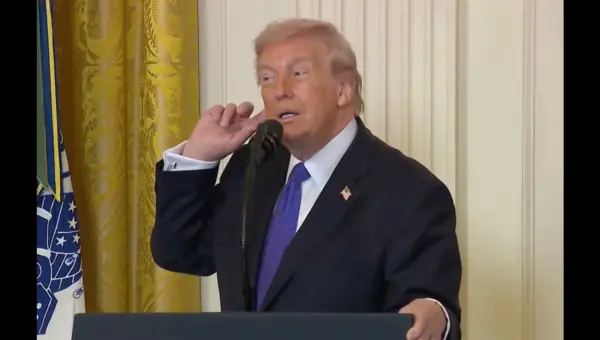
Trump’s Ballroom Dreams Overshadow Heroes’ Sacrifices
A public ceremony honoring Medal of Honor recipients was overshadowed by then-President Trump's extensive remarks on building renovations and a personal ballroom project. This incident is presented as a microcosm of a broader pattern of self-focus, questionable policy decisions, and unfulfilled promises, raising questions about true leadership priorities.