Germany Sparks Outrage with New Travel Permit Law for Men
Germany's new law requiring men aged 17-45 to get military approval for trips over three months has caused significant debate. While the defense ministry claims it's for informational purposes and permits will be automatic, many are concerned about the infringement on personal freedoms and the lack of transparency surrounding the regulation.

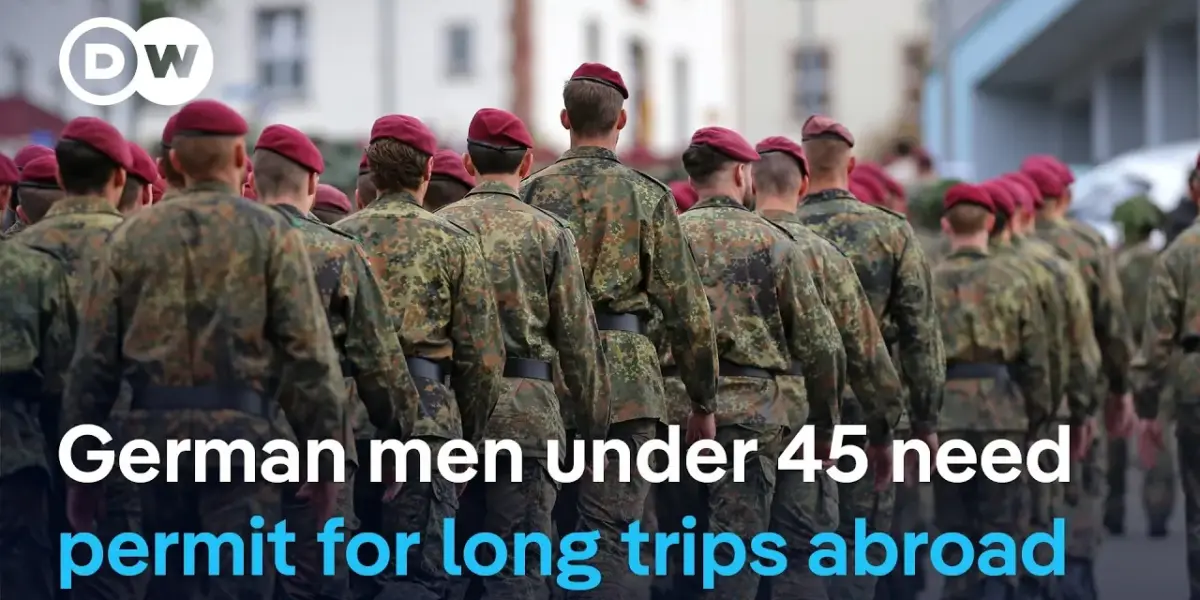
Germany Implements Strict Travel Rules for Men Under 45
Germany has introduced a new law that requires men between the ages of 17 and 45 to obtain official permission for any trips abroad lasting longer than three months. This regulation, which went into effect on January 1st, has sparked widespread debate and concern among the public, potentially affecting millions of German men. The requirement is part of a broader legislative effort to boost the number of active-duty soldiers, a move that comes years after Germany suspended mandatory military service in 2011.
Unnoticed Clause Sparks Public Outcry
The new travel provision initially went largely unnoticed. It wasn’t until a local newspaper, Franconia, brought attention to the clause that the public and many politicians began to understand its implications. The law states that men of military age must secure a permit from Germany’s armed forces if they plan to leave the country for over three months. Previously, such a requirement was only in place during times of severe national danger, such as a heightened security threat or an armed attack on Germany.
Defense Ministry Explains Intent, Acknowledges Concerns
In response to media inquiries, the German Defense Ministry explained that the permit system is primarily for informational purposes. Because military service is now voluntary, the ministry stated that permission to leave the country would typically be granted automatically. The army, however, needs to maintain a record of where men of fighting age are located in case of a major crisis or attack. The ministry acknowledged that the measure is far-reaching and does impact personal freedoms. They are reportedly working on developing guidelines to make the reporting process simpler and less burdensome, though no timeline has been provided for their release.
“It feels a little bit like they’re cheating on us because nobody knew that this would come in this way.”
Youth Activist Criticizes Law, Cites Lack of Transparency
Youth activist Zimon Marian Hoffman expressed shock and dismay over the new law. He believes it infringes upon the freedoms of young people, who are already resistant to the idea of military service. Hoffman described the situation as feeling like a betrayal, as the implications of the law were not widely known even after its implementation. He noted that the focus during the law’s debate was primarily on 17-year-olds, overshadowing the broader impact on men up to 45.
Broader Discontent Among German Youth
Hoffman highlighted that this travel permit issue is not an isolated concern for German youth. He stated that young people are already protesting against various government decisions, citing problems in education and climate change. The sentiment against military service is strong, with over 60% of Germans reportedly not wanting it. Hoffman explained that Germany’s history, marked by two World Wars, contributes to a reluctance among young people to embrace military engagement. Instead, he believes Germany should lead through diplomacy and peaceful conflict resolution.
Political Reactions Vary
The political response to the clause has been mixed. Conservatives, aligned with the Chancellor, have indicated they are comfortable with a simplified reporting requirement, as long as it’s not a cumbersome approval process. However, opposition parties have called for more clarity on how the law will function in practice. The Left Party criticized the legislation as being poorly drafted, suggesting that the lack of awareness about the clause points to a clumsy process. Many Germans, known for their love of travel, are concerned about how this regulation will affect their plans for extended trips, study abroad programs, or work opportunities outside the country.
Looking Ahead: Streamlining and Transparency
The coming weeks and months will be crucial for observing how the German government addresses the public’s concerns. The development and implementation of clearer guidelines for the travel permit process will be key. Public reaction and potential further protests from youth and other groups will likely influence any adjustments to the law. Germany’s commitment to personal freedom and transparency will be tested as it navigates this controversial new regulation affecting the mobility of a significant portion of its male population.
Source: Germany triggers debate by requiring men under 45 to get permit for trips longer than three months (YouTube)

Related Articles


Hungary Election: Vance Visit Aims to Boost Orban Amidst Controversy
Hungarian Prime Minister Viktor Orban faces a tight election, with polls showing his challenger ahead. Amidst controversy, including an alleged bomb incident blamed on Ukraine, Orban seeks international backing, notably from U.S. Senator JD Vance. Vance's visit aims to bolster Orban's image as an internationally respected leader, though its impact on voters is uncertain.


Germany Shines: Recycling, Wind Power, and a Surprisingly Sunny Outlook
Online discussions reveal a vibrant Germany enjoying spring, leading Europe in recycling, and building the world's tallest wind turbine. Despite low government satisfaction, everyday life and green initiatives show a nation looking towards a sustainable future.


JD Vance Backs Hungary’s Strongman Leader Amid Election Woes
U.S. Senator JD Vance has actively supported Hungarian Prime Minister Viktor Orban in his re-election campaign. Orban, a leader in power for 16 years, faces criticism for his country's economic struggles and his government's use of propaganda, particularly concerning Ukraine and Russia.