Germany Slaps Amazon with €59 Million Fine Over Alleged Anti-Competitive Price Caps
Germany's Federal Cartel Office has fined Amazon €59 million and banned the e-commerce giant from imposing price caps on third-party sellers in its German marketplace. The FCO alleges this practice is anti-competitive, while Amazon vehemently denies the claims, asserting the decision is unprecedented and conflicts with EU law, and vows to appeal.


Germany Targets Amazon: €59 Million Fine and Ban on Price Caps
In a significant move signalling an escalating global crackdown on dominant digital platforms, Germany’s Federal Cartel Office (Bundeskartellamt or FCO) has levied a substantial fine of €59 million (approximately $70 million) against Amazon. The regulatory body has also issued a ban, prohibiting the e-commerce giant from imposing price caps on third-party sellers operating within its German marketplace. This landmark decision marks a pivotal moment in the ongoing efforts by European regulators to curb potentially anti-competitive practices by Big Tech.
The FCO’s ruling, announced recently, alleges that Amazon utilized its market power to dictate the pricing strategies of independent retailers on its platform, thereby stifling fair competition. Amazon has vehemently denied the allegations, vowing to challenge the decision and asserting that the ruling misunderstands the dynamics of competitive retail and could ultimately harm both shoppers and sellers.
The Bundeskartellamt’s Bombshell: Unpacking the Anti-Competitive Allegations
At the heart of the Bundeskartellamt’s decision lies the practice of Amazon allegedly imposing price caps on third-party sellers. According to the FCO, Amazon restricted the maximum prices at which independent merchants could sell their products on the platform. This practice becomes particularly problematic given Amazon’s dual role as both a marketplace operator and a direct competitor to these very sellers through its own retail operations and private labels.
Andreas Mundt, President of the Bundeskartellamt, has consistently emphasized the importance of maintaining fair competition in digital markets. The FCO’s investigation concluded that by setting price limits, Amazon was effectively creating an uneven playing field. Third-party sellers, who often rely heavily on Amazon’s vast customer base for reach, found themselves unable to price their products independently, potentially limiting their ability to differentiate, cover costs, or even compete effectively with Amazon’s own offerings.
The regulatory body highlighted that such price restrictions are fundamentally anti-competitive. In a healthy market, sellers should be free to set their prices based on their costs, market demand, and competitive strategies. When a dominant platform like Amazon imposes such caps, it can distort market mechanisms, disadvantage smaller businesses, and ultimately reduce consumer choice and innovation.
Clawing Back Profits: A New Era of Regulatory Enforcement
Adding another layer of severity to its ruling, the Bundeskartellamt is not just imposing a ban; it is also demanding the clawback of €59 million in profits that Amazon allegedly generated through these illicit practices. This aspect of the decision is particularly significant as it represents the first time the FCO is exercising new powers granted under recent legislative reforms. These reforms, introduced around 2020-2021 through amendments to Germany’s Act against Restraints of Competition (GWB Digitalisation Act), empower the FCO to intervene more effectively against large digital companies that hold ‘paramount significance for competition across markets’.
The ability to claw back profits marks a paradigm shift in regulatory enforcement. Historically, fines were the primary punitive measure. However, by demanding the disgorgement of ill-gotten gains, regulators aim to remove the financial incentive for engaging in anti-competitive behavior. This sends a strong message to other dominant platforms that future violations could result in not just penalties, but also the forfeiture of any financial benefits derived from illegal activities.
For Amazon, the implication is clear: the profits allegedly made by forcing sellers to adhere to price caps are now being reclaimed by the state. This move underscores the FCO’s determination to not only stop harmful practices but also to undo their financial impact, ensuring that companies do not profit from market abuses.
Amazon’s Stance: An ‘Unprecedented Decision’ and Vow to Fight
Amazon has not taken the FCO’s decision lightly, issuing a robust rebuttal and stating its intention to appeal the ruling. In its official response, the company’s German country manager described the decision as "unprecedented" and "wrong," asserting that it would be "vigorously challenged."
Amazon’s core arguments revolve around several key points:
- Conflict with EU Law and Consumer Standards: Amazon claims the FCO’s conclusion is based on "unique German regulation" that "directly conflicts with the EU competition law [and] consumer standards." The company argues that forcing it to promote what it deems "uncompetitive prices" would ultimately harm shoppers by depriving them of the best value.
- Misunderstanding of Retail Dynamics: The company contends that the decision "represents a fundamental misunderstanding of how the competitive retail category works." Amazon maintains that its platform is designed to ensure customers find the "best value based on price and delivery speed," and that mandating the promotion of higher prices would lead to a "bad shopping experience."
- Impact on Selling Partners: While the FCO’s ruling is framed as seller protection, Amazon argues that forcing it to promote uncompetitive prices would "hurt shoppers and sellers alike." The company emphasizes its support for over 47,500 selling partners in Germany, claiming that its policies are "clear and fair" and enable small and medium-sized businesses to offer vast selection and competitive prices.
- Fragmentation of the European Single Market: Amazon warns that the decision "directly challenges Europe’s single market principles" and would "create a patchwork of inconsistent solutions in the EU." This, it argues, would undermine Germany’s aim to reduce regulatory barriers and increase competitiveness, particularly for SMEs selling across borders.
The company also highlighted that the FCO pursued this case under a "specific regulatory regime which currently only applies to a handful of companies," questioning whether such provisions effectively support innovation, competition, and customer benefit. Amazon has confirmed it will continue operating its store as usual while preparing its legal response, aiming to ensure no disruption for customers and selling partners.
Broader Implications: A Global Trend Towards Big Tech Scrutiny
The German FCO’s action against Amazon is not an isolated incident but rather a prominent example of a growing global trend. Regulators worldwide, particularly in Europe, are intensifying their scrutiny of large digital platforms, challenging their business models and perceived market dominance. The European Union, with its landmark Digital Markets Act (DMA) and Digital Services Act (DSA), is at the forefront of this movement, aiming to create a fairer and more competitive digital landscape.
Cases against tech giants like Google, Apple, and Meta regarding various antitrust issues have become increasingly common. The FCO’s specific focus on price caps and its use of new powers to claw back profits could set a precedent for other national and supranational regulatory bodies. The mention of similar probes eyeing other platforms, such as Temu, indicates a broader regulatory net being cast over the e-commerce sector.
This case also highlights a nuanced shift in regulatory focus. While consumer protection has traditionally been a primary driver for antitrust actions, this German ruling strongly emphasizes "seller protection." By ensuring that third-party merchants can set their prices freely, the FCO aims to safeguard the viability and competitiveness of independent businesses that rely on dominant platforms. This focus acknowledges the immense power platforms wield over their business users and seeks to prevent abuses of that power.
For Amazon, the outcome of its appeal will have significant ramifications, not just in Germany but potentially across its European operations. A sustained ban on price caps could force a re-evaluation of its marketplace strategies, potentially impacting its ability to compete with third-party sellers on its own platform. It also adds to the growing legal and regulatory challenges that Big Tech companies face, signaling a future where their operational autonomy may be increasingly constrained by governmental oversight.
The Future of E-commerce Regulation
The German Bundeskartellamt’s decision against Amazon underscores a critical juncture in the evolution of e-commerce and digital market regulation. As online marketplaces continue to grow in influence and reach, questions about fair competition, platform neutrality, and the economic well-being of third-party sellers will only intensify. The €59 million fine and the ban on price caps serve as a potent reminder that even the most dominant players are not immune to regulatory intervention.
The legal battle between Amazon and the FCO is far from over, and its resolution will undoubtedly shape the regulatory landscape for digital platforms in Europe and beyond. It highlights the ongoing tension between innovation and competition, and the complex task regulators face in ensuring that powerful platforms foster, rather than hinder, a vibrant and equitable digital economy.
Source: American reacts to Germany sues Amazon for €59 million (YouTube)

Related Articles

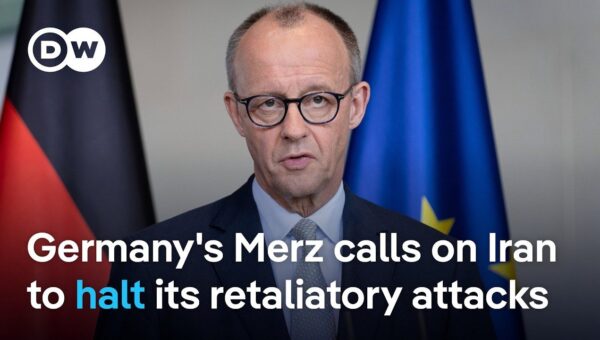
Germany on US-Israel Strikes: No “Lecturing” Partners
Germany's Chancellor Scholz calls on Iran to end its attacks and nuclear program but refrains from "lecturing" US-Israel on international law regarding recent strikes. Berlin increases security for Jewish institutions amid fears of retaliation.


Germany’s Fake Laws: AI Disinformation Campaign Exposed
Viral AI-generated videos falsely claim Germany has enacted absurd laws, including fines for flushing toilet paper. Experts reveal a disinformation campaign aiming to portray Germany as chaotic, with potential commercial or political motives behind the fabricated content.


Germany Navigates Tricky US-China Balancing Act
Germany faces a complex geopolitical challenge, needing to balance its alliance with the US and its economic ties with China. Experts suggest a 'smart approach' focusing on diversification and strategic autonomy, rather than a forced choice, is the most viable path forward.