Germany Slams US Easing of Russia Oil Sanctions
Germany has strongly criticized the U.S. for its decision to temporarily ease sanctions on Russian oil. Allies express surprise and concern that the move sends the wrong signal and could benefit Russia's war efforts.

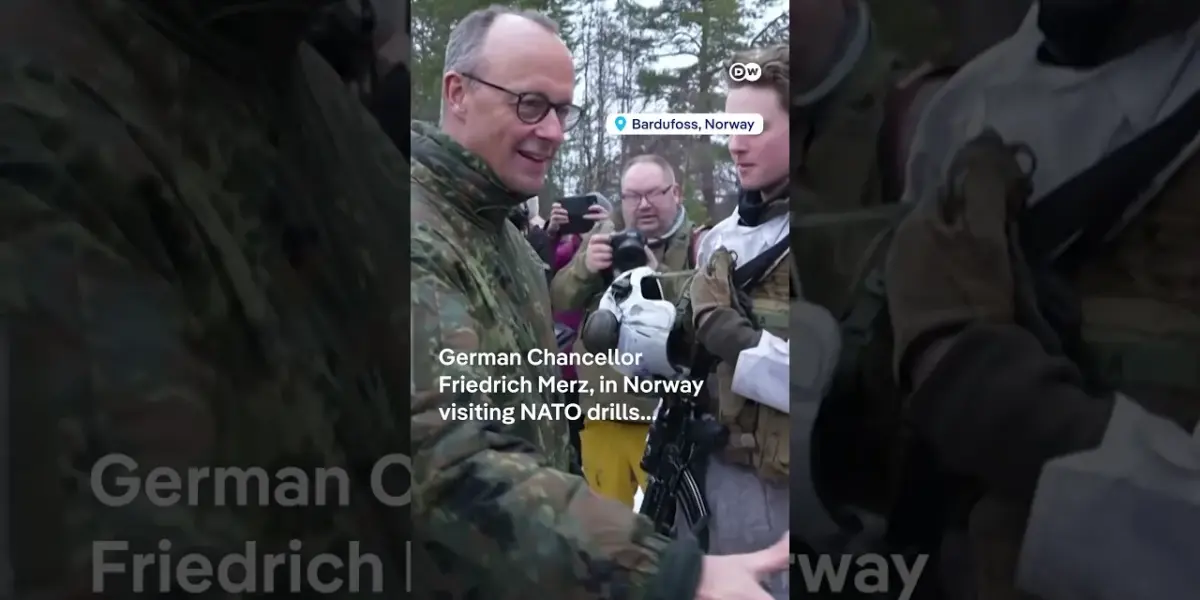
Germany Criticizes US Decision to Ease Russian Oil Sanctions
BERLIN – A decision by the United States to temporarily suspend certain sanctions on Russian oil has drawn sharp criticism from Germany, with key political figures expressing surprise and concern over the move. The partial easing of sanctions, intended to allow Russia to earn revenue amid the conflict in the Middle East, has been met with dismay by allies who argue it sends the wrong signal and undermines efforts to pressure Moscow over its ongoing war in Ukraine.
Surprise and Disappointment Among Allies
The unexpected announcement by the U.S. caught German Chancellor Olaf Scholz, Norwegian Prime Minister Jonas Gahr Støre, and other American allies off guard. While the suspension is limited in duration and scope, affecting only a specific amount of oil, its implications are seen as significant. Norwegian Prime Minister Støre, speaking from Norway, highlighted that he sought clarity on the rationale behind the U.S. decision. His criticism, however, remained measured, as he expressed a desire to understand the reasoning before taking a stronger stance.
“Russia is benefiting from that. We should put more pressure on Russia to bring this terrible war to an end as soon as possible.”
This sentiment was echoed by German politicians, including Friedrich Merz, leader of the opposition Christian Democratic Union (CDU). Merz has been particularly vocal, criticizing the U.S. for what he perceives as a contradictory policy that allows Russia to continue profiting from oil sales while the war in Ukraine rages on. The core of the criticism centers on the perceived mixed messaging and the potential for the sanctions relief to inadvertently aid Russia’s war effort.
Economic and Geopolitical Concerns
The partial lifting of sanctions raises substantial questions about the cohesive strategy among Western allies in confronting Russia. Critics argue that any move that allows Russia to generate revenue, even indirectly, undermines the collective aim of crippling its economy and forcing an end to the conflict. The concern is that such actions create uncertainty and could pose risks not only to NATO’s united front but also to the economic stability of Europe.
The timing of the U.S. decision, coinciding with heightened tensions in the Middle East, has added another layer of complexity. While the U.S. may have intended to manage global oil supply dynamics, the unintended consequence appears to be a signal that could be misinterpreted by Russia, potentially emboldening Moscow. German policymakers, in particular, are sensitive to any policy that could prolong the war in Ukraine, given the significant economic and humanitarian impact on Europe.
The Broader Context of Sanctions Policy
The debate over the U.S. sanctions relief underscores the delicate balancing act involved in international economic statecraft. Sanctions are a powerful tool, but their effectiveness often hinges on unified application and clear objectives. When allies diverge, or when sanctions are perceived as being selectively applied or eased, their impact can be diluted, and strategic goals jeopardized.
For Germany and many European nations, the primary objective remains the cessation of hostilities in Ukraine. The economic pressure applied through sanctions is seen as a critical component of achieving this goal. Therefore, any perceived relaxation of this pressure, regardless of the specific circumstances, is met with skepticism and concern. The focus remains on maintaining maximum pressure on Russia until a lasting peace can be achieved.
Looking Ahead
The coming weeks will likely see continued debate and diplomatic engagement between the U.S. and its European allies regarding the rationale and future of the Russian oil sanctions. The focus will be on whether the U.S. will provide further justification for its decision and whether a more unified approach can be re-established. Allies will be watching closely to see if this temporary measure evolves or if the pressure on Russia will be unequivocally maintained.
Source: Germany's Merz criticizes US for easing Russian oil sanctions │DW Shorts (YouTube)

Related Articles
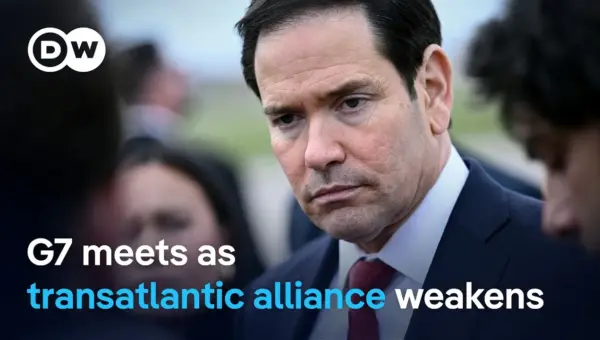
G7 Allies Clash Over Iran War Strategy, Urge Focus on Russia
G7 foreign ministers met in Paris, revealing deep divisions over the U.S. war with Iran. European allies urged the U.S. to pressure Russia, linking its actions to the conflict and fearing support for Ukraine will wane.
Iran Blocks China Ships, Exposing Beijing’s Weak Grip
Iran's recent decision to block Chinese ships at the Strait of Hormuz is exposing the limits of Beijing's influence in the Middle East. This action is causing delays and cancellations for Chinese manufacturers, turning a perceived geopolitical win into an economic strain.
Trump’s “Walk Away” Tactic Signals Tougher Stance on China
Retired Air Force Brigadier General David Stillwell believes President Trump's strategy of being willing to walk away from negotiations puts pressure on China. This tactic, combined with US global actions and strengthened alliances, signals a more assertive American foreign policy.