Germany Shines: Recycling, Wind Power, and a Surprisingly Sunny Outlook
Online discussions reveal a vibrant Germany enjoying spring, leading Europe in recycling, and building the world's tallest wind turbine. Despite low government satisfaction, everyday life and green initiatives show a nation looking towards a sustainable future.

Germany Shines: Recycling, Wind Power, and a Surprisingly Sunny Outlook
Forget the gloomy stereotypes. Recent online chatter from German subreddits paints a picture of a nation embracing spring, excelling in recycling, and pushing the boundaries of renewable energy. While political winds may be shifting, everyday life in Germany appears vibrant and functional, at least according to popular online discussions.
A Sunny Spring Emerges
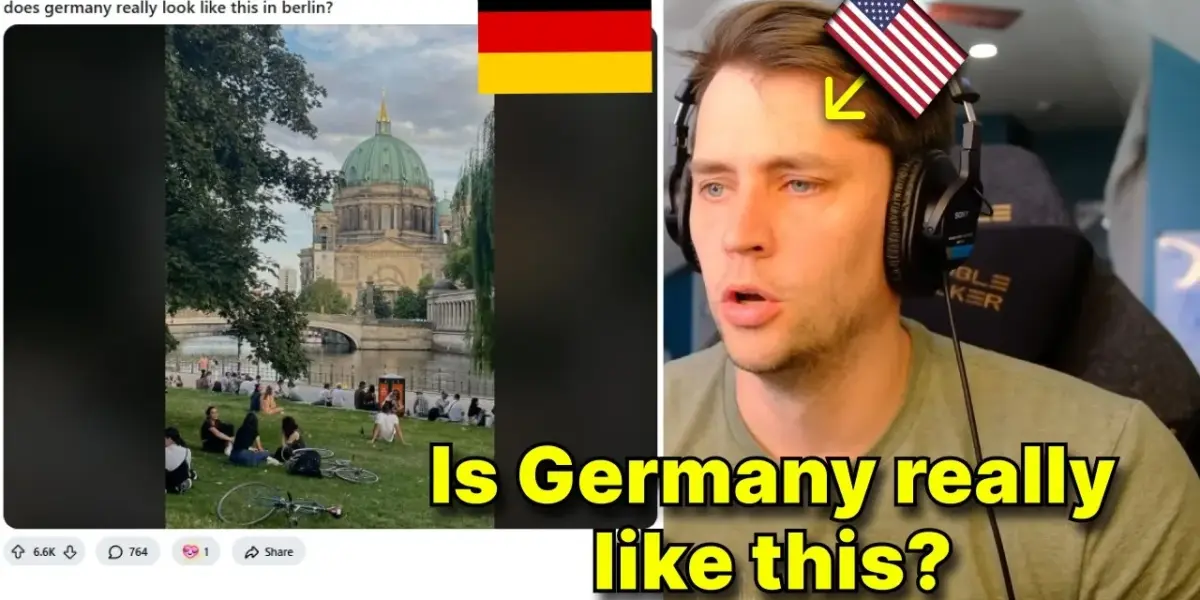
The first glimpse into Germany’s current mood comes from a photo of Berlin. It shows people enjoying a sunny day, relaxing on grass, and sharing drinks. This simple scene counters the idea of constant doom and gloom often found online. One commenter noted that “all cities look like that when the weather is nice,” highlighting that pleasant public spaces are common across Germany. It suggests that when the sun shines, Germans, like people everywhere, know how to enjoy it.
Recycling Champions of Europe
Germany’s commitment to recycling is also a point of pride. Data shows Germany leads the European Union with an impressive 68.7% of municipal waste being recycled. This figure is significantly higher than the United States, which recycles less than half of Germany’s rate. This success is a long-term effort, building on decades of environmental awareness and policy. For context, Germany introduced its first nationwide packaging waste law back in 1991, laying the groundwork for its current high recycling rates. This commitment shows a deep-seated value placed on sustainability.
Farmers’ Protests Fade as Spring Arrives
The widespread farmer protests that dominated headlines earlier in the year seem to have quieted down. The reason? Farmers have stocked up on fuel for spring planting. This practical necessity has temporarily eased the pressure. Some suggest the protests were also influenced by conservative political messaging. The underlying issue of fuel prices, however, remains a concern for the agricultural sector, regardless of the political season.
Political Landscape: Unpopularity and Shifting Tides
Public satisfaction with the federal government is notably low, with Chancellor Olaf Scholz facing significant unpopularity. Polls show the center-right CDU party leading, with the far-right AfD party closely following. This close race is surprising to some, especially given the strong negative opinions often expressed about the AfD online. It highlights a potential disconnect between vocal online communities and the broader electorate. This political dynamic is complex, with different groups expressing dissatisfaction for various reasons.
A Taste of Germany: Burgers and Wild Garlic
Beyond politics and recycling, everyday life offers other interesting glimpses. One user passed a naturalization test with a perfect score, jokingly becoming “more German than most.” Others are exploring culinary traditions, with one person attempting to master the “authentic American burger.” Meanwhile, the arrival of spring brings the foraging of wild garlic, a popular ingredient for making pesto. This simple act of gathering food from nature connects people to the season and their local environment.
Engineering Marvels: The World’s Tallest Wind Turbine
Germany is also making waves in renewable energy with the construction of the world’s tallest wind turbine. Standing at an impressive 360 meters (over 1,000 feet), this giant is expected to generate significant amounts of electricity. The project aims for an annual yield of 30 to 33 gigawatt-hours, enough to power about 7,500 four-person households. The estimated cost of 20 to 30 million euros seems reasonable when spread across the number of homes it will supply. This development showcases Germany’s continued investment in green technology and its ambition to lead in sustainable energy solutions.
Healthcare Costs and American Comparisons
A brief mention of potential healthcare cost cuts in Germany, totaling 60 billion euros, was contrasted with a statement from Donald Trump regarding the US. Trump suggested that the US cannot afford to fund daycare and must prioritize military spending and state-level solutions. This comparison highlights different approaches to social welfare and public spending between the two nations.
Driving in Germany: A Learning Curve
For newcomers, driving in Germany can be a bit daunting. One user planning their first drive from the Netherlands sought advice on navigating a roundabout. The rules of the road, including yielding to traffic and understanding lane markings, are crucial. While potentially complex for outsiders, these systems are designed for efficiency and safety.
Frankfurt’s Striking Skyline
The city of Frankfurt is also getting attention for its impressive skyline. Photos reveal a modern and dynamic cityscape, with unique architectural designs. It’s a visual testament to the city’s economic importance and architectural ambition.
Why This Matters
This collection of online posts offers a snapshot of German life that often gets overlooked. It moves beyond political headlines to show everyday activities, environmental consciousness, and technological progress. Germany’s leadership in recycling and its advancements in wind energy are significant trends. They point towards a nation actively working towards a more sustainable future. The political polling, while showing dissatisfaction, also reveals the complex nature of public opinion. It suggests that online discourse doesn’t always reflect the full picture of voter sentiment. Finally, the focus on simple pleasures, like enjoying good weather or foraging for food, reminds us of the universal aspects of human experience, even across different cultures.
Implications and Future Outlook
Germany’s continued push in renewable energy, especially with innovations like the massive wind turbine, signals a strong commitment to decarbonization. This could set new standards for energy production globally. The high recycling rates are a model for other countries looking to improve waste management. Politically, the rise of parties like the AfD reflects broader European trends of populism and dissatisfaction with established political norms. How Germany navigates these political divisions will be crucial for its future stability and direction. The contrast in social spending approaches, particularly concerning daycare and healthcare, highlights differing national priorities and philosophies. As Germany continues to innovate in energy and manage its social and political landscape, its actions will likely influence discussions and policies elsewhere.
Historical Context
Germany’s focus on environmentalism has deep roots, stemming from the Green movement that gained traction in the 1970s and 80s. This historical awareness has fueled policies like the Renewable Energy Sources Act (EEG), which has been instrumental in developing wind and solar power. The country’s commitment to recycling also dates back decades, with early legislation aimed at reducing landfill waste. Politically, Germany has a stable, multi-party system, though recent years have seen increased fragmentation and the rise of populist movements, mirroring trends seen in many Western democracies. The nation’s economic strength, particularly in engineering and manufacturing, provides a solid base for investing in large-scale projects like the new wind turbine.
Source: LAST WEEK IN GERMANY [79] (YouTube)

Related Articles


Trump’s Easter Meltdown: Faith, Ego, and Endless Grievances
Donald Trump's appearance at the Easter Egg Roll highlighted a pattern of using public events for personal grievances. The analysis suggests his behavior stems from a deep ego, contrasting his actions with religious teachings and raising questions about leadership in a polarized era.
Germany Sparks Outrage with New Travel Permit Law for Men
Germany's new law requiring men aged 17-45 to get military approval for trips over three months has caused significant debate. While the defense ministry claims it's for informational purposes and permits will be automatic, many are concerned about the infringement on personal freedoms and the lack of transparency surrounding the regulation.

Trump’s Easter Event: A Bizarre Mix of Confusion and Celebrity
A recent Easter event featuring Donald Trump has become a viral talking point after he appeared confused about the identity of the person beside him, referring to her as a "movie star." The clip has sparked online speculation and discussion about the former President's awareness and public persona.