Germany Rules Out War Role, Offers Strait of Hormuz Help
German Chancellor Olaf Scholz stated Germany will not join any war involving Iran but is open to helping secure the Strait of Hormuz. He emphasized defining and asserting German interests independently from US policy. The comments come ahead of a key European Union summit.

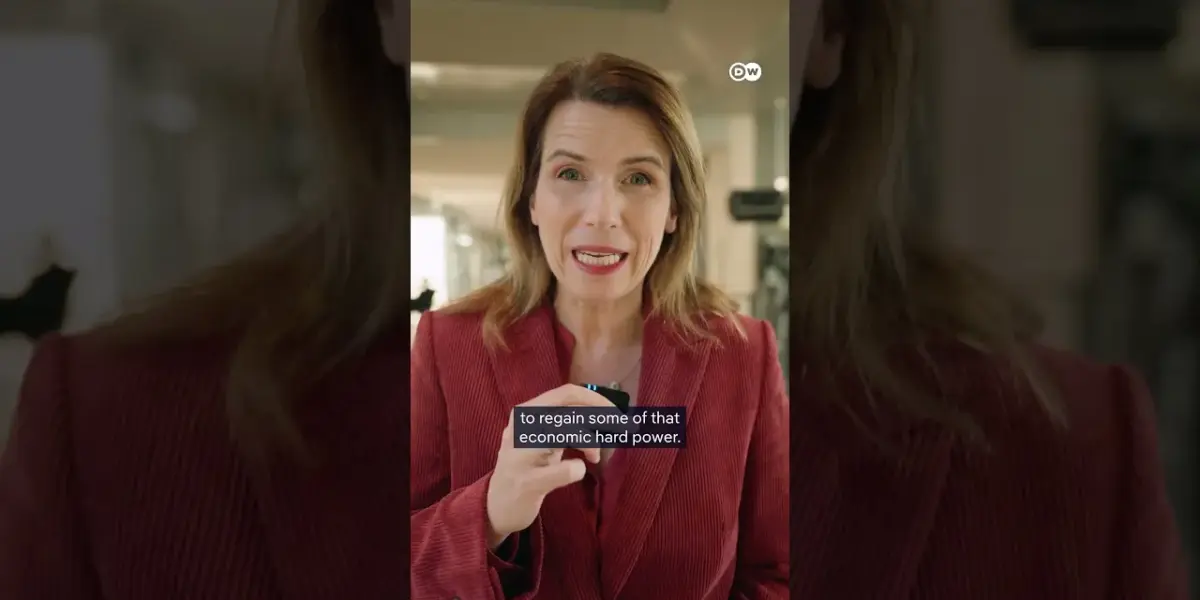
Germany Charts Cautious Course on Iran Ahead of EU Summit
German Chancellor Olaf Scholz signaled Germany’s firm stance against direct military involvement in potential conflicts with Iran. Speaking ahead of a crucial European Union summit, Scholz emphasized that Germany will not be drawn into a war. However, he also offered a clear indication of Germany’s willingness to contribute to securing vital shipping lanes, specifically mentioning the Strait of Hormuz. This balanced approach aims to address international concerns while maintaining Germany’s commitment to de-escalation and self-interest.
Strait of Hormuz: A Key Focus for Security
The Strait of Hormuz is a critically important waterway. It serves as a vital chokepoint for global oil transport, making its security a major international concern. Recent tensions in the region have raised fears of disruptions to shipping. Scholz stated, “If the conditions are right, then we will not shy away from a debate about freedom of navigation, for example, in the Strait of Hormuz.” This suggests Germany is prepared to engage in discussions about protecting maritime trade routes. He further added, “We will intervene where we can within our national competence and see room for action.” This highlights a conditional commitment, emphasizing that any German involvement would be carefully considered and based on national capabilities and legal frameworks.
Washington’s Approach and Germany’s Stance
Scholz also addressed the United States’ approach to the situation. He noted that Washington had not consulted Germany on its recent actions. “Washington did not consult us; we would have advised against it,” he remarked. This indicates a potential divergence in strategy between the two allies. Germany appears keen to assert its own foreign policy interests and avoid being passively drawn into actions it does not fully support. The Chancellor stressed a desire for Germany to be recognized for its contributions, stating, “We don’t want to sell ourselves short any longer.” This reflects a growing confidence in Germany’s ability to define and pursue its national interests independently.
Economic Ties and Transatlantic Relations
Beyond security concerns, Scholz also touched upon economic relations between Europe and the United States. He expressed anticipation for the prompt implementation of a trade agreement between the two economic blocs. “I expect the customs agreement between Europe and the United States of America to be put into force soon,” he said. This emphasis on economic cooperation underscores Germany’s broader vision for strengthening transatlantic ties. The Chancellor also linked these issues to the ongoing crisis in Ukraine, framing it as a fundamental challenge to the security and freedom of the entire transatlantic region. He declared, “This is a question of the security, freedom, and peace of the entire transatlantic space.” This broadens the scope of the discussion, connecting regional security issues to the larger principles of a free and democratic world order.
Defining the ‘Free World’
Scholz’s remarks also offered a glimpse into Germany’s understanding of its role in the global arena. He referred to the shared values and achievements of the Western nations, calling it “the free world.” This framing suggests a commitment to upholding democratic principles and international cooperation. The Chancellor’s speech aimed to balance Germany’s responsibilities as a global player with its commitment to peace and stability. By setting clear boundaries on military engagement while offering support for critical infrastructure, Germany seeks to navigate complex geopolitical challenges effectively.
Looking Ahead
As the European Union summit commences, all eyes will be on how member states respond to Germany’s nuanced position. The discussions are likely to focus on a coordinated strategy for regional security, particularly concerning the Strait of Hormuz. Germany’s willingness to contribute to maritime security, while ruling out direct combat, sets a precedent for how European nations can engage with international crises. The ongoing developments in Ukraine and broader transatlantic relations will also be key topics, shaping the future of European security and its global partnerships.
Source: Merz speaks in parliament ahead of European summit | DW News (YouTube)

Related Articles
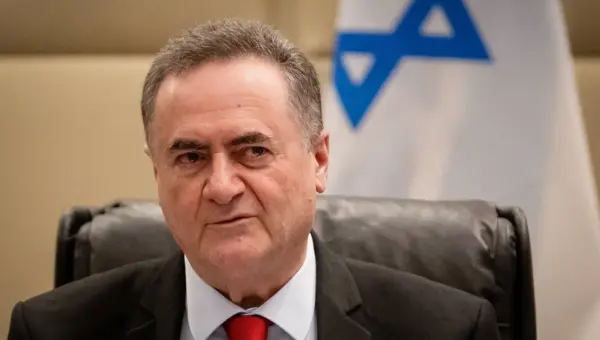
Israel Escalates Iran Strikes, Warns of Wider War
Israel has launched significant strikes inside Iran following continued missile fire, warning of further escalation. The conflict risks wider regional instability and economic disruption, especially concerning the Strait of Hormuz.
US Troops Wounded in Saudi Base Attack by Iran
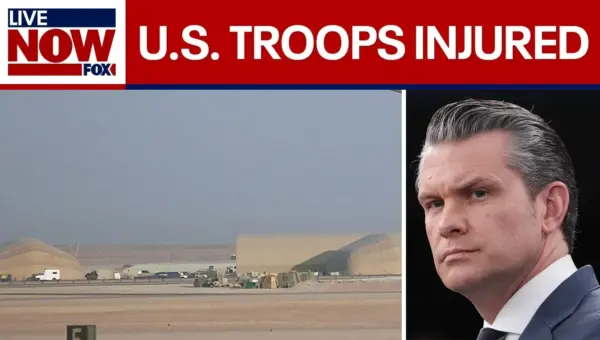
An Iranian missile attack on Prince Sultan Air Base in Saudi Arabia wounded multiple U.S. service members and damaged aircraft. The incident highlights the ongoing risks in the Middle East and the limitations of air defense systems. Analysts discuss the strategic implications, economic pressures, and the isolation of Iran amidst the conflict.
Trump Boasts Military Might, Slams Iran at Investment Summit
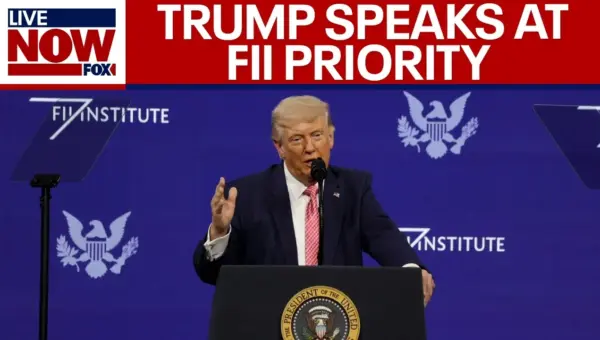
Former President Donald Trump spoke at the FII Priority Summit, detailing his administration's assertive stance against Iran and emphasizing the strength of the U.S. military. He claimed credit for dismantling Iran's military capabilities and preventing its nuclear ambitions. Trump also criticized NATO while praising Middle Eastern allies and touched on domestic issues like border security.