Germany Pushes for Iran War Diplomacy Amidst Rising Costs
German Chancellor Olaf Scholz is leading international efforts to find a diplomatic end to the Iran war, facing pressure amid rising energy costs. While considering economic aid for citizens, the government is coordinating with EU partners and other nations to de-escalate the conflict.

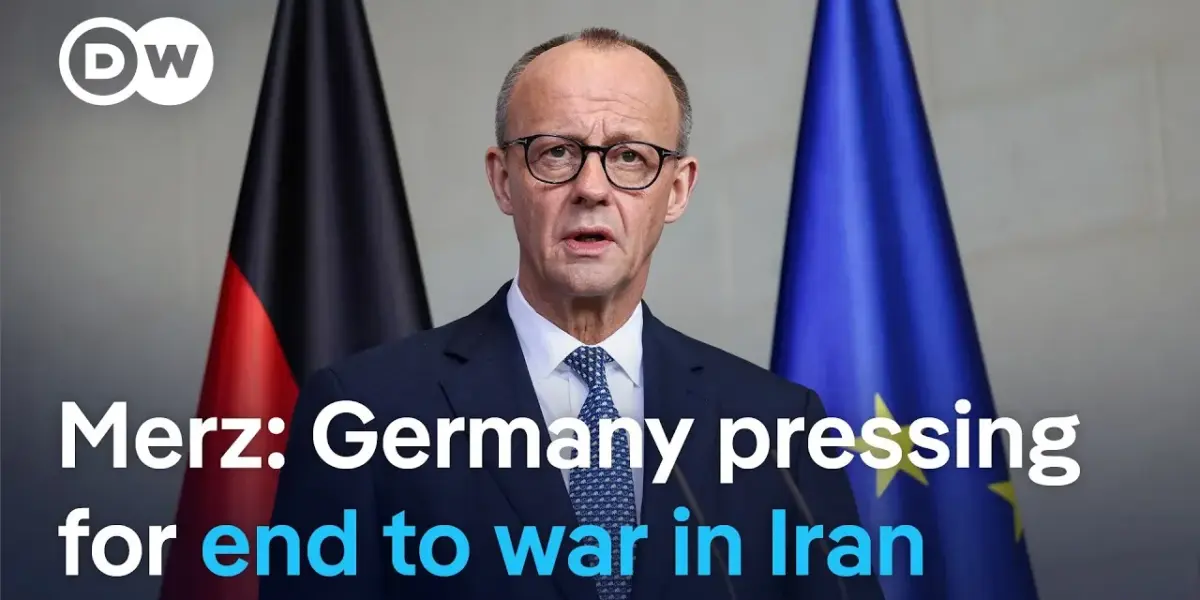
Germany Seeks End to Iran Conflict, Grapples with Economic Fallout
Berlin, Germany – German Chancellor Olaf Scholz announced Wednesday that his government is actively working with international partners to find a diplomatic solution to the ongoing war in Iran. The push for peace comes as rising energy costs linked to the conflict place a significant burden on German citizens and economies worldwide. Scholz addressed these concerns during a parliamentary session, signaling that while economic measures are being considered to help consumers, they may still face some of the increased costs.
President’s Criticism Sparks Debate on Germany’s Stance
The Chancellor’s remarks followed rare public criticism from German President Frank-Walter Steinmeier, who urged Berlin to speak out more forcefully against the war. Steinmeier’s comments, made the day prior, highlighted a perceived gap between Germany’s symbolic head of state and its active government.
“We are trying to do everything we can to persuade the United States and Israel to seek a diplomatic solution to this war,” Chancellor Scholz stated in parliament. He added, “Some of the things being said don’t make sense to us from a strategic vantage point.”
Diplomatic Efforts and European Coordination
Scholz detailed his government’s efforts, emphasizing close consultations with European Union colleagues, Britain, and Norway. The aim is to use collective influence to encourage a peaceful resolution. However, he acknowledged that ending the conflict requires a willingness from all parties involved, noting that Iran currently appears unwilling to engage in such efforts.
DW’s chief political editor, Michaela Küfner, provided further insight into these diplomatic maneuvers. She confirmed ongoing contact with the United States but noted the complexity, as conflicting reports often emerge regarding the status of talks between Iran and the US. Küfner explained that European nations, including Germany, are offering available diplomatic channels to support the US and Israel, even as they struggle to fully grasp the detailed strategic thinking behind the war effort.
Economic Strain and Energy Price Concerns
The economic impact of the war, particularly soaring energy prices, is a major concern for Germany. Chancellor Scholz indicated that parliament is considering measures to monitor these price increases more closely. Discussions with energy companies revealed significant struggles to explain the sharp rise in fuel costs, which have hit German consumers hard.
However, direct government subsidies for energy are unlikely. An earlier experience with the Ukraine war, where billions were poured into mitigating energy costs, resulted in energy companies profiting rather than consumers seeing significant relief. This history presents a clear challenge for the current government’s approach.
Navigating Political Differences and Future Actions
The recent exchange between President Steinmeier and Chancellor Scholz underscored a public division in Germany’s portrayal of its position on the conflict. While the President has taken a more critical public stance, the Chancellor has focused on diplomatic engagement and the practicalities of Germany’s role. Küfner pointed out that the President, despite being head of state, holds a largely ceremonial role separate from the government’s political decisions.
Chancellor Scholz also indicated a shift in his stance regarding the Strait of Hormuz, stating that Germany must contribute to its security. He linked the need to end the war quickly to alleviating fuel prices. Any potential deployment of German forces, such as ships, would require a parliamentary mandate and operate under an international framework, highlighting a significant hurdle for direct military involvement.
Looking Ahead
As Germany navigates these complex diplomatic and economic challenges, the focus remains on fostering international cooperation to end the Iran war. The government’s ability to balance domestic economic pressures with its international commitments will be crucial. Observers will be watching closely for further developments in diplomatic talks and the specific measures Germany will implement to support its citizens through the ongoing energy crisis.
Source: Merz: Germany working with partners to help end Iran war | DW News (YouTube)

Related Articles

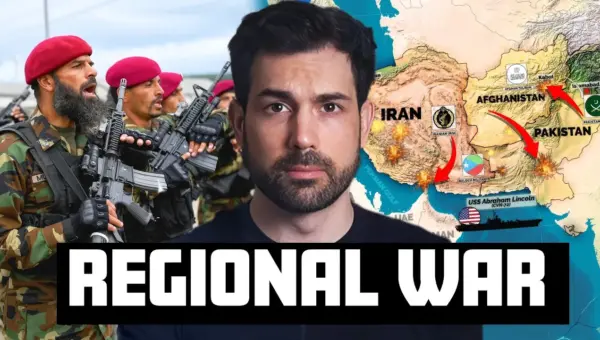
Iran War Ignites Regional Crisis: Pakistan Pulled In
The ongoing war in Iran is igniting a wider regional crisis, pulling Pakistan into escalating border conflicts with Baloch separatists and the resurgent Pakistani Taliban. Missile strikes, protests, and a refugee crisis are destabilizing the region, with significant implications for global energy markets and nuclear security.

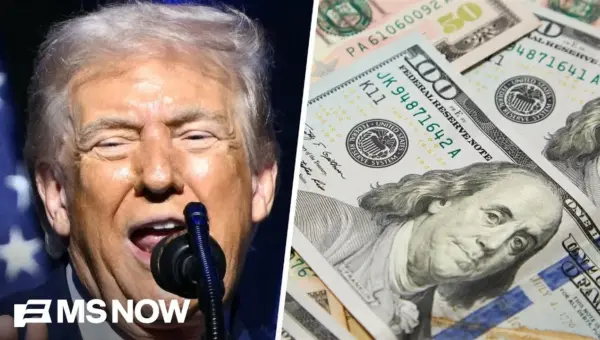
Polls Reveal Deep Voter Concerns Over War, Economy for Trump
Recent polls and political analysis suggest President Trump faces significant challenges due to voter concerns about the prolonged conflict in Iran and the struggling economy. Republicans are growing anxious as these issues impact the president's standing, while Democrats see an opportunity to present themselves as a more stable alternative.


Senate Passes DHS Funding, Easing Airport Chaos Amid Shutdown
The Senate has passed a bill to fund the Department of Homeland Security, offering relief to TSA officers facing missed paychecks and aiming to ease airport chaos. Meanwhile, a near-miss incident involving a passenger plane and helicopter in Los Angeles is under investigation. TODAY's Savannah Guthrie shared her enduring faith and hope amidst her mother's disappearance, announcing her return to the show on April 6th.