Germany Presses Russia, Europe Eyes Nuclear Role
Germany's Chancellor Olaf Scholz is demanding increased pressure on Russia and insisting Europe must have a central role in any Ukraine peace talks. Meanwhile, Poland is signaling a move towards greater involvement in nuclear security, aligning with French proposals to expand European deterrence.

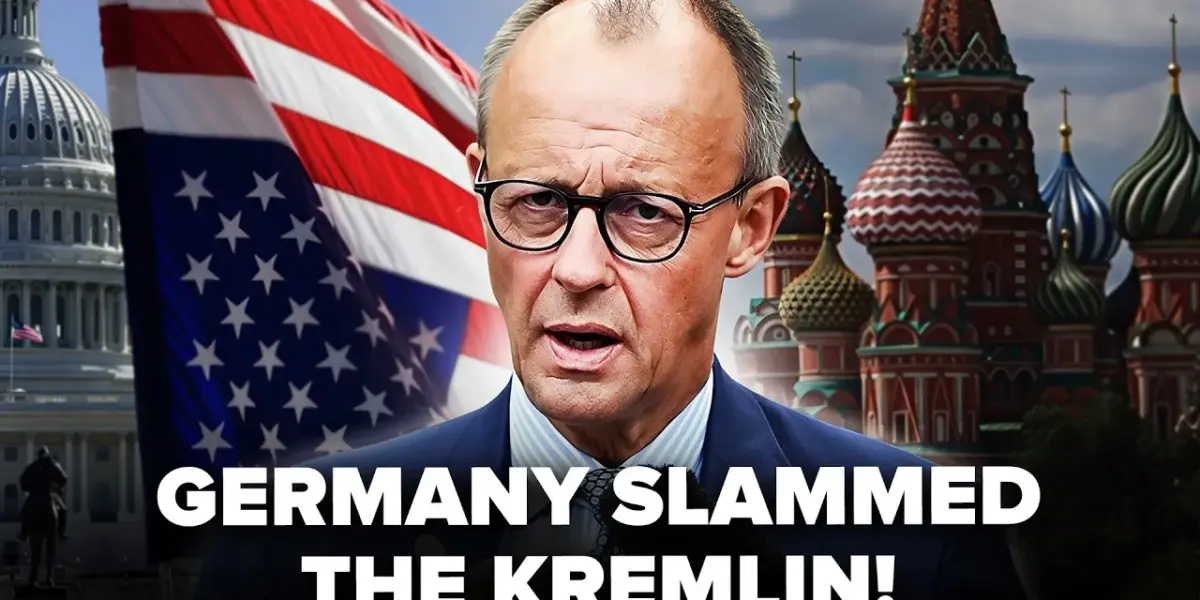
Germany Demands Increased Pressure on Moscow Amidst Shifting Geopolitical Landscape
In a significant diplomatic maneuver, German Chancellor Olaf Scholz has called for intensified pressure on Russia, asserting that Europe must be a central player in any resolution of the conflict in Ukraine. Following a meeting with U.S. President Donald Trump, Scholz emphasized that European interests must be paramount in any future agreements concerning Ukraine, stating, “There will be no agreement without European participation.” This stance underscores a growing assertiveness within the European Union to have a more substantial voice in international security matters, moving beyond a purely observer role.
Scholz’s remarks suggest a divergence from a solely U.S.-driven approach to peace talks. He indicated that Trump himself recognizes the necessity of European endorsement for any lasting peace, stating, “Trump knows that only peace supported and legitimized by Europe can be truly long-term.” This highlights a potential recalibration of the transatlantic relationship, with Europe seeking to solidify its influence on critical foreign policy decisions.
Middle East Tensions Complicate Ukraine Aid and Global Stability
The ongoing conflict in the Middle East, particularly the recent Israeli strikes on Iranian nuclear facilities, has cast a shadow over the global security landscape, with ripple effects extending to Ukraine. Reports suggest that Russia, despite its strategic partnership with Iran, did little to assist Tehran following the attacks. Israeli officials had reportedly alerted Russian authorities to their intentions weeks prior, leading Moscow to limit its response to verbal criticism rather than direct intervention. This inaction, analysts suggest, stems from Russia’s limited leverage over Iran, the absence of a mutual defense clause in their cooperation pact, and the depletion of its military resources due to the protracted war in Ukraine.
The situation in Iran has also drawn attention from U.S. President Donald Trump, who commented on the substantial amount of U.S. ammunition provided to Ukraine. Trump suggested that such supplies could have been sold, generating revenue for the U.S., particularly from wealthy Middle Eastern nations. “A lot of it was given away stupidly by Biden, very stupidly for free,” Trump stated, implying a transactional approach to international aid. However, this perspective was countered by critics who argued that Ukraine’s defense is intrinsically linked to European and global security, framing it not as a commercial transaction but as a vital bulwark against aggression.
Furthermore, the escalating tensions in the Middle East have strategic benefits for Russia. The conflict provides Moscow with a narrative to justify its actions in Ukraine by drawing parallels to U.S. strikes in Iran. It also diverts critical military resources, such as missiles, away from Ukraine and towards the Middle East. Additionally, the geopolitical instability contributes to rising oil prices, a significant revenue stream for Russia’s military budget despite international sanctions.
Europe Rethinks Security: Poland Joins Nuclear Discussions, EU Eyes Missile Supply Chains
In a significant shift in European defense policy, Poland has signaled its intent to play a more active role in nuclear security matters. Prime Minister Donald Tusk announced that Poland is no longer content to be a passive observer and is actively discussing cooperation with France and other European partners regarding nuclear deterrence. This initiative aligns with French President Emmanuel Macron’s proposal to expand the French nuclear deterrent system to include several European nations.
The French proposal envisages various forms of cooperation, including joint military exercises and potential deployment of French strategic air units on partner territories. While France would retain exclusive control over the decision to use nuclear weapons, the aim is to enhance collective security and complicate potential adversaries’ calculations. Poland’s ambition extends to developing its own security capabilities, preparing for “maximum autonomous action in matters of strategic deterrent” in the future.
Meanwhile, the European Union is actively addressing potential disruptions to missile supplies for Ukraine’s air defense systems. EU Commissioner Thierry Breton acknowledged concerns that developments in the Middle East could impact global missile availability, potentially delaying shipments to Ukraine. Given the high demand for air defense missiles from various global actors, the EU is exploring strategies to ensure a steady supply to Ukraine. Breton announced a “missile tour” across Europe to accelerate deliveries and noted that the EU’s lack of Patriot missile production complicates rapid solutions, underscoring the strategic importance of securing these vital defense assets.
Upcoming Peace Talks and the Evolving European Stance
Despite the complexities arising from the Middle East conflict and shifting geopolitical priorities, a new round of peace talks between Ukraine, Russia, and the United States is anticipated in early March, potentially in Abu Dhabi. While recent events, including the U.S. and Israeli operations in Iran, had raised questions about the timeline, Ukrainian President Volodymyr Zelenskyy confirmed that the talks were not postponed. However, the exact location may still be subject to change.
Germany’s assertive stance, coupled with Poland’s new engagement in nuclear security discussions, indicates a Europe determined to shape its own destiny and security architecture. As diplomatic efforts continue, the continent’s evolving role in conflict resolution and defense strategy will be closely watched.
Source: 😱Merz slammed the Kremlin over Ukraine! Nobody expected this reaction. Putin is in panic (YouTube)

Related Articles
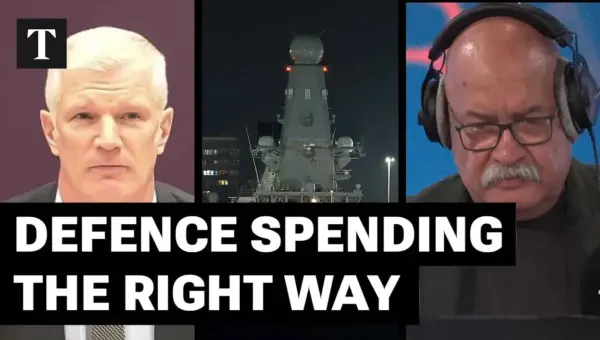
UK Defence Spending: Minister Grilled on Readiness
UK Armed Forces Minister Alastair Burt defended the nation's military capabilities amid global instability, addressing concerns over defence spending and readiness. He highlighted the UK's significant deterrent and global presence while acknowledging the need to accelerate investment to meet future threats.
Germany Faces Iran Dilemma: Law vs. Security Needs
Germany is confronting the limitations of international law in addressing Iran's persistent nuclear ambitions and regional provocations. The nation faces a dilemma balancing security interests with adherence to global legal norms, as existing frameworks prove insufficient against a regime that consistently challenges international agreements.
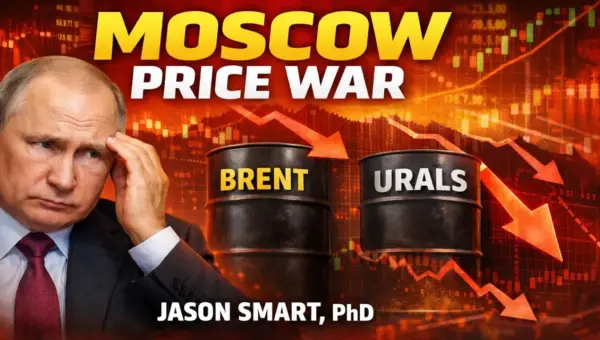
Russia’s Oil Price War Strategy Crumbles Amidst Global Instability
Russia's oil price war strategy is faltering as global market instability and targeted actions drive down its revenues. Disruptions in key shipping lanes and increased sanctions are forcing Moscow to offer steep discounts, while internal dissent grows. The economic pressure poses a significant threat to Vladimir Putin's regime.