Germany on US-Israel Strikes: No “Lecturing” Partners
Germany's Chancellor Scholz calls on Iran to end its attacks and nuclear program but refrains from "lecturing" US-Israel on international law regarding recent strikes. Berlin increases security for Jewish institutions amid fears of retaliation.

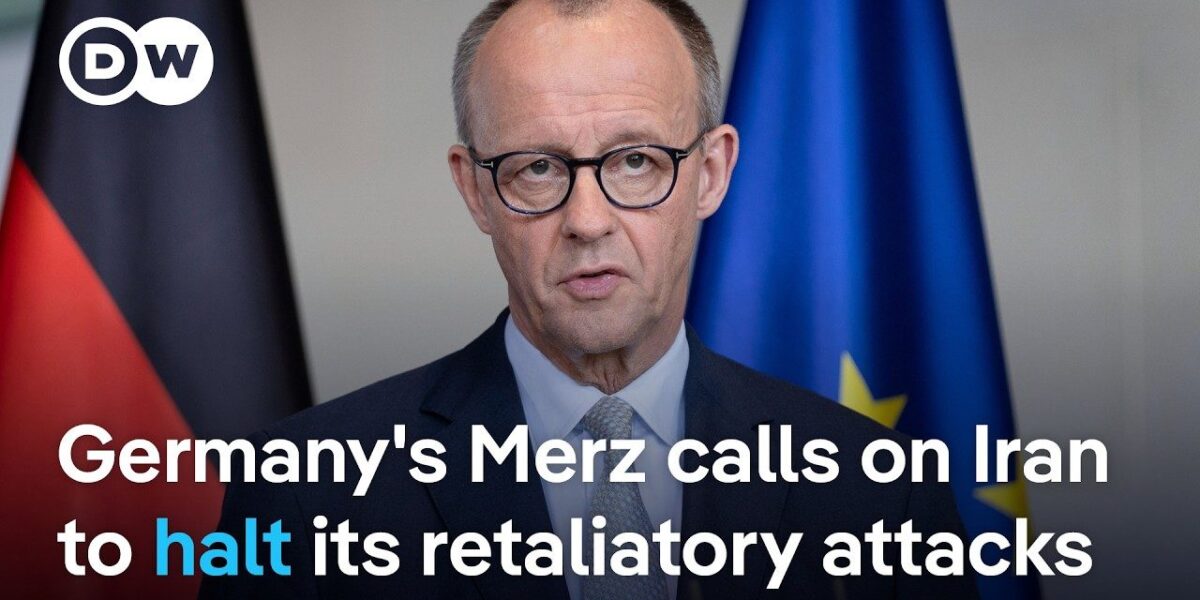
Germany Addresses Unlawful US-Israel Attacks on Iran
Berlin, Germany – In the wake of escalating tensions in the Middle East, German Chancellor Olaf Scholz has issued a strong call for Iran to cease its attacks on Israel and the United States, while also demanding an end to Tehran’s nuclear activities. The German government’s stance on the recent military strikes carried out by the US and Israel, however, reveals a complex balancing act between condemning Iran’s actions and maintaining alliances.
No “Lecturing” Allies on International Law
When directly questioned about whether the US-Israeli attacks constituted a breach of international law, Chancellor Scholz stated that he would not “lecture” his partners, referring to the United States and Israel. This position, while pragmatic in its diplomatic approach, has drawn attention given the broader international legal discourse surrounding such unilateral military actions.
“Without doubt, this is not in accordance with international law. Any international lawyer will tell you that a lot of them would have been very upset by what they see that the United States who in the past was a guarantor of the international world order would now launch such an attack without a UN Security Council resolution.”
DW’s chief international editor, M. Kushna, elaborated on the legal implications, noting that such actions, particularly without a UN Security Council resolution, are generally not viewed as compliant with international law. Kushna highlighted the shift in approach, observing that in the past, even controversial military interventions were debated within the framework of UN resolutions, a step seemingly bypassed in the recent escalations.
Germany’s Interests and Fears in the Region
Germany, like other European nations, has significant interests in regional stability. The primary concern articulated by the German government is the avoidance of further escalation, which could drag the entire region into a wider conflict. Chancellor Scholz’s description of the situation as “not without risk” underscores this apprehension.
The potential for the conflict to spill over into Europe is a tangible fear. This could manifest as increased internal divisions within European societies, already grappling with existing socio-political challenges. Furthermore, the ongoing war in Ukraine adds another layer of stress, potentially straining European resources and societal cohesion further.
Heightened Security Measures Amidst Retaliation Fears
In response to the heightened threat environment, the German government has taken concrete steps to bolster security. Protective measures for Jewish and Israeli institutions within Germany have been significantly increased. This action is driven by a growing concern about potential retaliatory attacks orchestrated by Iran-backed actors, rather than direct military action from Iran itself.
Limited European Involvement in Military Action
Despite the shared concerns, there is little indication that Germany or other European powers will join the military effort against Iran. Such involvement would likely complicate the existing operations of the US and Israel. Moreover, Germany’s own constitutional framework and the political will within its parliament would present significant hurdles to participating in offensive military actions abroad.
The European focus remains largely on the war in Ukraine, where support has seen considerable shifts. Chancellor Scholz’s recent remarks about “burden sharing” suggest an acknowledgment that European nations are increasingly shouldering responsibilities in Ukraine, especially as US support has demonstrably decreased.
Looking Ahead: The Unfolding Regional Dynamics
The coming weeks and months will be critical in observing how the geopolitical landscape in the Middle East continues to evolve. The international community, and particularly European nations like Germany, will be closely monitoring Iran’s response, the effectiveness of the US-Israel strategy, and the potential for de-escalation or further conflict. The precedent set by these unilateral actions and Germany’s diplomatic maneuvering will likely shape future international responses to regional crises.
Source: Where does the German government stand on the unlawful US-Israeli attacks on Iran? | DW News (YouTube)
