Germany Navigates Complex China Relationship Amid Economic Shifts
Germany is confronting significant economic and strategic dilemmas concerning its relationship with China, as the nation transitions from a key market to a formidable competitor. Opposition leader Friedrich Merz's recent trip to China highlighted these challenges, revealing Germany's struggle with supply chain dependencies and the shifting global economic power balance.

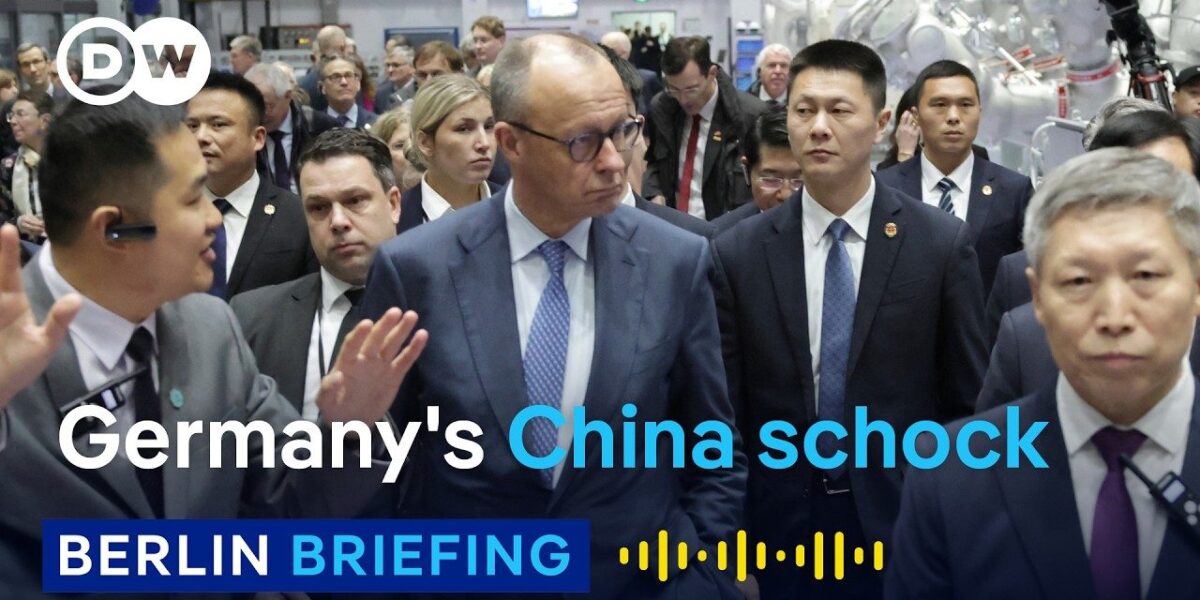
Germany Faces Dilemma in Evolving China Relations
Germany is grappling with a significant and complex set of challenges in its relationship with China, balancing the economic benefits derived from China’s rise against potential future risks. This delicate equilibrium was underscored by a recent visit from Friedrich Merz, leader of the opposition CDU party, to China. The visit highlighted Germany’s struggle to adapt to China’s transformation from a manufacturing hub for German industry to a formidable competitor, while also navigating geopolitical tensions and supply chain dependencies.
Merz’s China Visit: A Balancing Act
Friedrich Merz’s brief trip to China was aimed at addressing several critical issues for the German economy. A primary concern is the stabilization of Germany’s vital automotive industry, which has seen its market share in China significantly erode. Merz sought to address the influx of Chinese goods, particularly those that cannot be sold in the U.S. market, into Germany, which contributes to a substantial trade deficit. Additionally, the issue of China’s support for Russia, particularly concerning dual-use goods, was raised, though expectations for significant concessions were low.
“We need China to stabilize the German car industry… He wants to conduct reforms here in Germany. So he needs to stabilize kind of the old, sell strong German industries. And for that, he needs the Chinese to back off a bit.”
Despite a friendly demeanor during his meeting with Xi Jinping, Merz had previously voiced strong concerns about China’s global positioning and its challenge to the existing international order. The contrast between his public statements in Germany and his diplomatic approach in Beijing reflects the intricate challenges of engaging with China.
The ‘China Shock’ and Shifting Competitive Landscape
Thorsten Benner of the Global Public Policy Institute (GPPi) has been vocal about the impending “China shock” for Germany, a phenomenon he describes as twofold. The first aspect involves supply chain dependencies, including critical minerals and industrial components, where a disruption, such as a Taiwan crisis, could have severe consequences. The second, and perhaps more profound, threat is China’s advancement up the value chain. Industries that once formed the bedrock of Germany’s economic success—automotive, chemicals, and machine tools—are now facing intense competition from Chinese companies leveraging state capitalism, currency manipulation, subsidies, and overproduction.
Benner argues that China’s perceived undervalued currency and extensive subsidies provide an unfair advantage, leading to German companies being “obliterated” in global markets. This competitive shift extends to future industries like robotics and biotechnology, necessitating a strategic response from Germany and the European Union.
Intellectual Property and the Reversal of Roles
A striking illustration of the changed dynamics was observed at a robotics company in China, where engineers expressed concern about German visitors potentially stealing their intellectual property. This marks a significant reversal from past decades, when German companies were primarily worried about their own intellectual property being copied by Chinese firms. The technological edge, once a hallmark of German industry, is increasingly shifting towards China, particularly in areas like artificial intelligence.
Merz’s visit also highlighted the diminishing appeal of “Made in Germany” among Chinese consumers, who are increasingly opting for domestic brands. German automakers have experienced substantial losses in market share, forcing them to re-evaluate their strategies in China.
De-risking: A Necessary but Difficult Path
Germany’s official policy, carried over from the previous government, is to “de-risk” its relationship with China, aiming to reduce dependencies on supply chains and ensure fair competition. Merz has publicly endorsed this principle, stating in Foreign Affairs:
“Germany is updating its relationship with China. Above all, we will further de-risk by reducing dependencies. We will work hard to ensure fair competition and level playing fields for both sides.”
However, the practical implementation of de-risking faces significant hurdles. China’s dominance in critical sectors, such as rare earths, poses a substantial challenge. Germany’s reliance on China for these materials, essential for rearmament and technological advancement, highlights a potential vulnerability. Experts suggest that European governments have struggled with long-term strategic planning to secure such resources independently.
The issue of market dependency is also complex. While Merz has warned German businesses against over-reliance on the Chinese market and stated that the government will not provide bailouts for companies in distress, the optics of his trip, accompanied by CEOs of major German carmakers, suggest a continued engagement with the market.
Internal Divisions and Future Strategy
The German business community is divided on how to approach China. Some companies, like Volkswagen, believe they can continue to compete globally by producing more cheaply, even in China, and see this as integral to their future. Others are committed to the European market and local production. This divergence complicates the government’s efforts to implement a unified strategy.
Experts express concern that Germany may lack the necessary institutions and mechanisms for effective economic and technology statecraft to manage these dependencies. There is a perceived need for more active government intervention and a clearer focus on economic security, potentially requiring measures akin to protective barriers or tariffs, which run counter to traditional German liberal economic principles.
The Path Forward: European Cooperation and Action
The consensus among analysts is that the solution to the “China shock” lies not in bilateral discussions with Beijing, but within Germany and Europe itself. The European Commission and EU leaders are actively debating strategies to limit China’s export capabilities into Europe. While Germany on its own is a smaller player, its actions within the European framework are crucial.
The core challenge for Germany’s leadership, including Merz, is to develop and implement the tools necessary to reduce dependencies, particularly on critical minerals and technology. This requires a strategic, long-term approach that goes beyond friendly diplomacy and addresses the systemic competition posed by authoritarian state capitalism. The coming months will be critical in determining whether Germany and its European partners can effectively navigate this complex geopolitical and economic landscape.
Source: How the tables are turning between Germany & China | Berlin Briefing Podcast (YouTube)

Related Articles

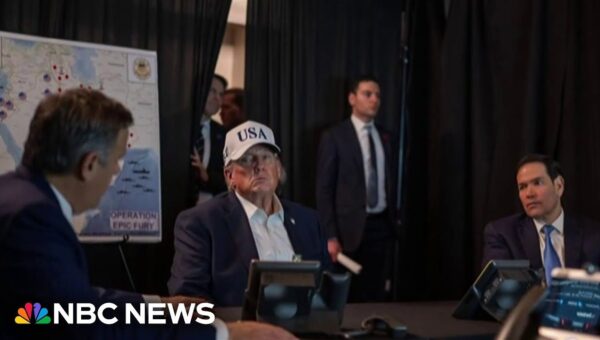
Trump: Iran Strikes Ahead of Schedule, Expects ‘Great Deal for World’
Three U.S. service members have been killed amid escalating conflict with Iran, President Trump confirmed. He stated that strikes are ahead of schedule, with senior Iranian leaders killed, and expressed optimism for a "great deal for the world" despite ongoing talks with Iranian officials.

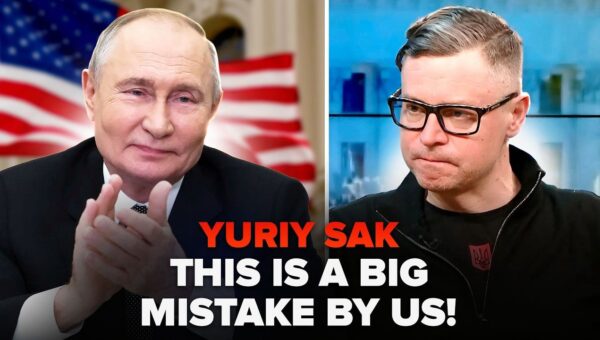
Trump’s Putin Stance: US Strategy and Global Implications
Analysis suggests Donald Trump's approach to the Ukraine war involves pressuring Kyiv, but US involvement is crucial for resolution. China's influence and the 'MAGA' agenda's geopolitical implications are key factors.


US Strikes Iran: Mounk and Fukuyama Discuss Unpredictable Conflict
Leading political scientists Yascha Mounk and Francis Fukuyama analyze the recent US strikes on Iran, warning of unpredictable outcomes and internal instability. They question the objectives of the "war of choice" and its potential to destabilize the region, while also discussing the shifting global perceptions of Israel.