Germany Faces Iran Dilemma: Law vs. Security Needs
Germany is confronting the limitations of international law in addressing Iran's persistent nuclear ambitions and regional provocations. The nation faces a dilemma balancing security interests with adherence to global legal norms, as existing frameworks prove insufficient against a regime that consistently challenges international agreements.


Germany Grapples with International Law’s Limits Amid Iran Tensions
Berlin, Germany – Germany finds itself in a complex geopolitical bind, confronting the limitations of international law when faced with Iran’s persistent nuclear ambitions, ballistic missile programs, and regional provocations. The current situation, marked by Iran’s aggressive actions, has prompted a re-evaluation of established legal frameworks, forcing German policymakers to balance their commitment to international norms with pressing security interests.
Iran’s Persistent Provocations Challenge Legal Frameworks
For decades, Iran has been a source of international concern, engaging in activities that flagrantly violate established international agreements. These include its nuclear enrichment program, the development of ballistic missiles, and the consistent support for proxy forces that destabilize neighboring regions. Despite repeated attempts to curb these activities through legal and diplomatic channels, the effectiveness of such measures has proven limited.
“We see the dilemma that with international legal measures and steps, which we have indeed tried repeatedly over the last decades against a regime that is rearming nuclear weapons and brutally oppressing its own people, obviously nothing can be achieved,” stated a source familiar with the situation, highlighting the frustration with the current impasse.
Self-Defense and International Law: A Tightrope Walk
The ongoing tensions raise critical questions about the application of international law, particularly concerning the right to self-defense. Under international law, the right to self-defense is typically triggered by an ongoing or imminent armed attack. The transcript notes that if Iran were engaged in such an attack against Israel or the United States, these nations would have a right to self-defense, making their aggression permissible under international law. However, the current context suggests that Iran’s actions, while provocative, may not always meet this stringent threshold for immediate, legally sanctioned retaliation by other states.
This legal nuance creates a difficult situation where legitimate security concerns clash with the precise conditions required for invoking international legal responses. “There is a whole range of legally legitimized measures against these provocations and against these offensive measures,” the transcript indicates, yet it also acknowledges the recurring point where “security interests and international legal frameworks are not reconcilable.”
Critique of Hiding Behind International Law
Experts caution against using international law as a shield to mask political objectives, particularly when dealing with regimes like Iran’s. The perspective offered is that such a strategy is “incredibly shortsighted.” While welcoming the downfall of the current Iranian regime might seem politically advantageous, it risks undermining the very international legal order upon which all states depend for their own security and stability.
“This is not war fought for the benefit of the Iranian people and from a political perspective to hide behind that because you welcome the decapitation of the regime is incredibly shortsighted because in the process you help weaken the rules of international law that every state in the world ultimately depends on.”
The article draws a parallel to past instances, referencing a situation where even allies like Denmark needed to rely on international law for their own protection, underscoring its universal importance. This highlights that the erosion of international legal principles, even in specific regional conflicts, has far-reaching consequences for global stability and the security interests of all nations, including European allies.
Germany’s Strategic Balancing Act
Germany, historically a strong proponent of international law and multilateralism, now faces the stark reality that its established principles may not always provide adequate solutions to contemporary security threats. The nation’s commitment to the UN Charter and international legal norms is being tested as it navigates the complex relationship with Iran. The dilemma lies in how to effectively counter Iran’s destabilizing actions without jeopardizing the broader international legal order that underpins global peace and security.
Looking Ahead: The Evolving Role of International Law
As the international community continues to grapple with Iran’s nuclear program and regional activities, the discourse surrounding the efficacy and adaptability of international law is likely to intensify. Germany’s position underscores a growing global conversation about whether existing legal frameworks are sufficient to address the multifaceted security challenges of the 21st century. The coming months will be crucial in observing how Germany and its allies adapt their strategies, potentially seeking new interpretations or mechanisms within international law to better manage threats posed by states that persistently challenge the established global order.
Source: Germany's "dilemma" on Iran attacks | DW News (YouTube)

Related Articles

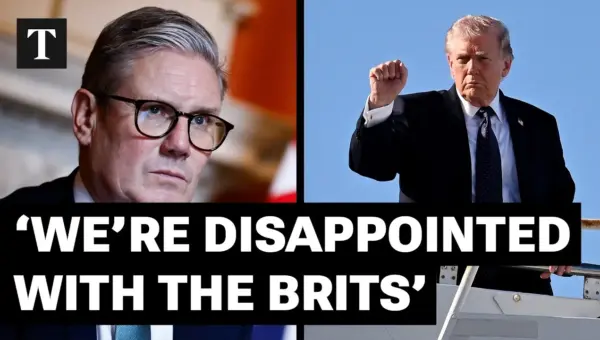
Trump Ally Downplays UK Spat, Says US-UK Ties Unshaken
A former Trump National Security Council official has downplayed recent tensions between the US and UK following military action in Iran, asserting that the "special relationship" remains strong. Fred Fle stated that while the UK's initial hesitation was disappointing, it would not undermine long-standing ties. He also addressed the rationale behind the Iran operation, focusing on the threat posed by Tehran's missile program and the desire to support the Iranian people's aspirations for freedom.

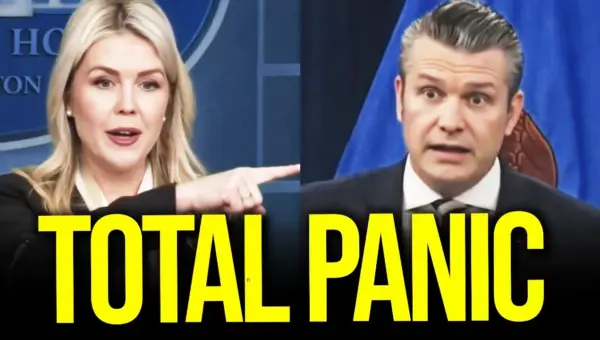
White House Defenses Crumble Amidst Conflicting Iran War Narratives
Conflicting narratives and evasive responses plague the Trump administration's defense of its actions in Iran. From aggressive rhetoric to accusations of 'fake news,' officials struggle to present a cohesive justification for the escalating conflict, raising serious questions about transparency and strategic planning.
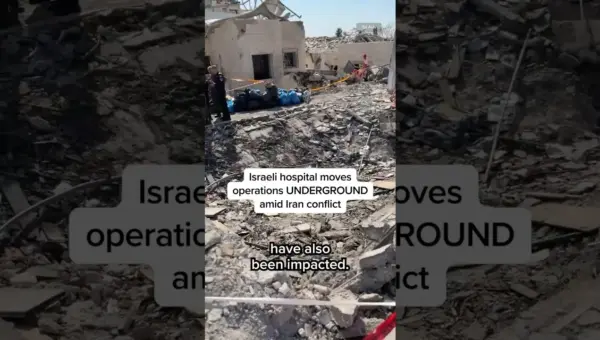
Israel Hospitals Go Underground Amid Iran Tensions
Amid escalating Iran conflict, Israeli hospitals like Sheba Medical Center are moving critical operations, including surgeries and ICUs, to secure underground facilities. This unprecedented move aims to ensure patient safety and maintain medical service continuity under potential aerial threats.