Germany Eyes Mass Return of Syrian Refugees
Germany and Syria have agreed to facilitate the return of up to 80 percent of the nearly one million Syrian refugees living in Germany. The plan involves voluntary repatriation over the next few years, with provisions for those who wish to stay. The interim Syrian President's visit, however, sparked controversy due to past human rights allegations.

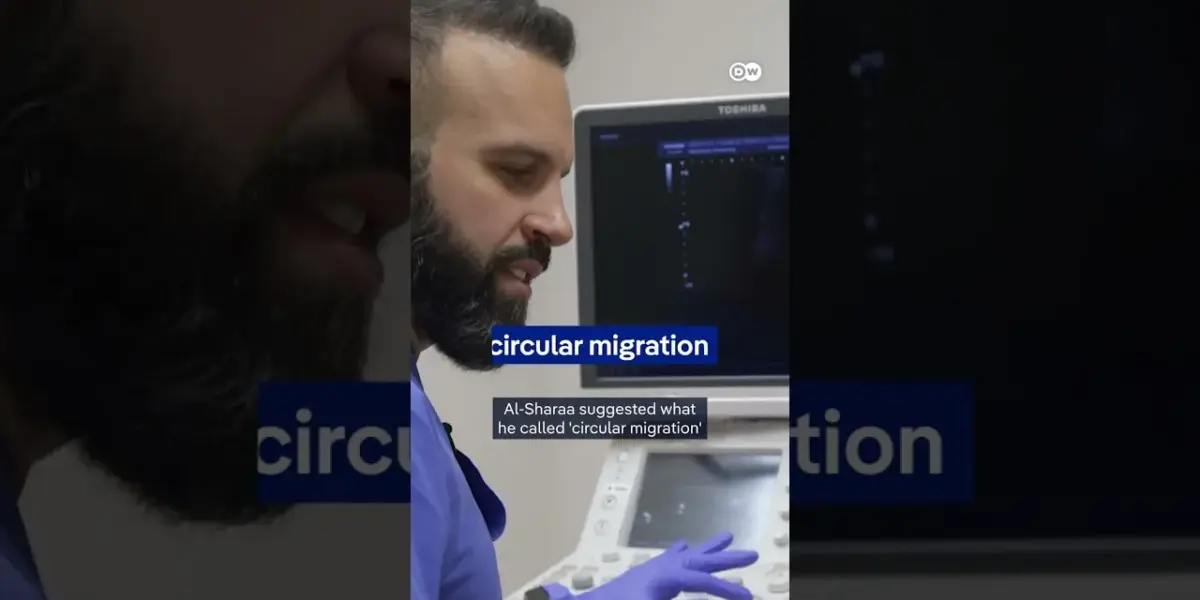
Germany Plans Major Refugee Repatriation
Germany and Syria’s interim government have reached an agreement that could send around 80 percent of the nearly one million Syrian refugees currently in Germany back to their home country within the next few years. This significant development follows a visit to Berlin by Syria’s interim President Ahmed Alara, his first trip since 2024. The plan aims to facilitate the return of a substantial portion of the Syrian population that sought refuge in Germany during the country’s devastating civil war.
Key Agreements and Priorities
The core of the agreement centers on enabling the voluntary return of Syrian refugees. A top priority for both nations is to create the necessary conditions for this large-scale repatriation. This includes working together to build more infrastructure in Syria to support those returning. The deal also reportedly addresses the return of Syrian nationals who have committed criminal offenses or have invalid residence permits, suggesting a framework for handling complex cases.
Refugee Status and Integration
While the agreement pushes for a majority return, it also acknowledges the reality of integration for many Syrians who have established lives in Germany. Some proposals suggest that Syrians who wish to stay in Germany would be allowed to do so. The concept of “circular migration” has been put forward, which would allow Syrians to invest in Syria’s development without losing the stability and lives they have built in Germany. This approach attempts to balance the desire for return with the needs of long-term residents.
Controversy Surrounds Syrian President’s Visit
President Alara’s visit to Berlin was not without controversy. Human rights groups have raised concerns about his past involvement as a former rebel figure, with accusations of human rights abuses. Critics questioned the appropriateness of hosting him in a democratic nation like Germany. Alara, however, addressed these concerns, stating, “We are in Syria a country of diverse cultures and traditions, and we dedicate the principle of law. Therefore, we strengthen the power of law over the state, and through law and the constitution, everyone obtains their rights in the state of Syria.” He emphasized Syria’s commitment to a diverse society governed by law.
Background: The Syrian Refugee Crisis in Germany
Germany opened its doors to a large wave of refugees, including nearly a million Syrians, fleeing the civil war that began in 2011. Many of these individuals have since integrated into German society, found employment, and become citizens. The civil war in Syria has caused widespread destruction and displacement, leading millions to seek safety abroad. This agreement represents a significant policy shift for Germany, which has hosted a large refugee population for over a decade.
Broader Implications and Future Outlook
This agreement has significant implications for both Germany and Syria. For Germany, it could alleviate some of the social and economic pressures associated with hosting a large refugee population. For Syria, a large-scale return of its citizens could provide a much-needed boost to its economy and reconstruction efforts. However, the success of this plan hinges on whether Syria can truly provide safety and opportunities for returning refugees, and whether the return is genuinely voluntary. The coming years will be critical in observing how this ambitious plan unfolds and whether it leads to a successful repatriation or faces significant challenges on the ground.
What to Watch Next
The focus will now shift to the practical implementation of this agreement. Key questions remain about the timeline for returns, the specific conditions offered to refugees, and the extent of German support for infrastructure development in Syria. The response from Syrian refugees in Germany and the ongoing situation within Syria will be crucial factors to monitor as this policy moves forward.
Source: Merz aims for return of 80 percent of all Syrian refugees in Germany | DW News (YouTube)

Related Articles


Germany’s Forests Fall, But Its Systems Endure
Germany confronts environmental decline in its forests while its citizens value reliable systems and order. Online discussions reveal a tension between strict rules and the need for flexibility, alongside appreciation for the nation's enduring infrastructure and beauty.

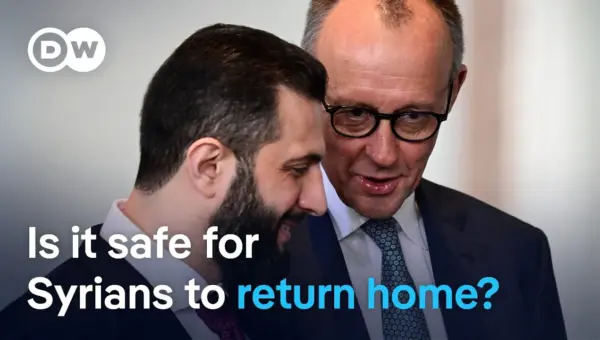
Germany Eyes 80% Syrian Refugee Return in 3 Years
Germany's Chancellor Friedrich Merz aims for 80% of Syrian refugees to return home within three years, a plan discussed with Syria's interim president. While viewed as a potential win-win for rebuilding Syria and easing Germany's burden, the proposal faces scrutiny over economic impacts and conditions in Syria. President al-Sharah's visit, despite his controversial past, signals a step towards international engagement and potential refugee repatriation.


Germany’s Anti-AfD Firewall Crumbles Amidst Shifting Politics
Germany's political 'firewall' against the far-right AfD party is showing significant cracks due to rising AfD popularity and recent instances of cooperation. Historically rooted in Germany's experience with Nazism, the firewall aimed to prevent extremist parties from gaining power. However, shifts in the AfD's rhetoric and increased AfD strength, especially in eastern Germany, are challenging this long-standing political norm.