Germany Eyes 80% Syrian Refugee Return in 3 Years
Germany's Chancellor Friedrich Merz aims for 80% of Syrian refugees to return home within three years, a plan discussed with Syria's interim president. While viewed as a potential win-win for rebuilding Syria and easing Germany's burden, the proposal faces scrutiny over economic impacts and conditions in Syria. President al-Sharah's visit, despite his controversial past, signals a step towards international engagement and potential refugee repatriation.

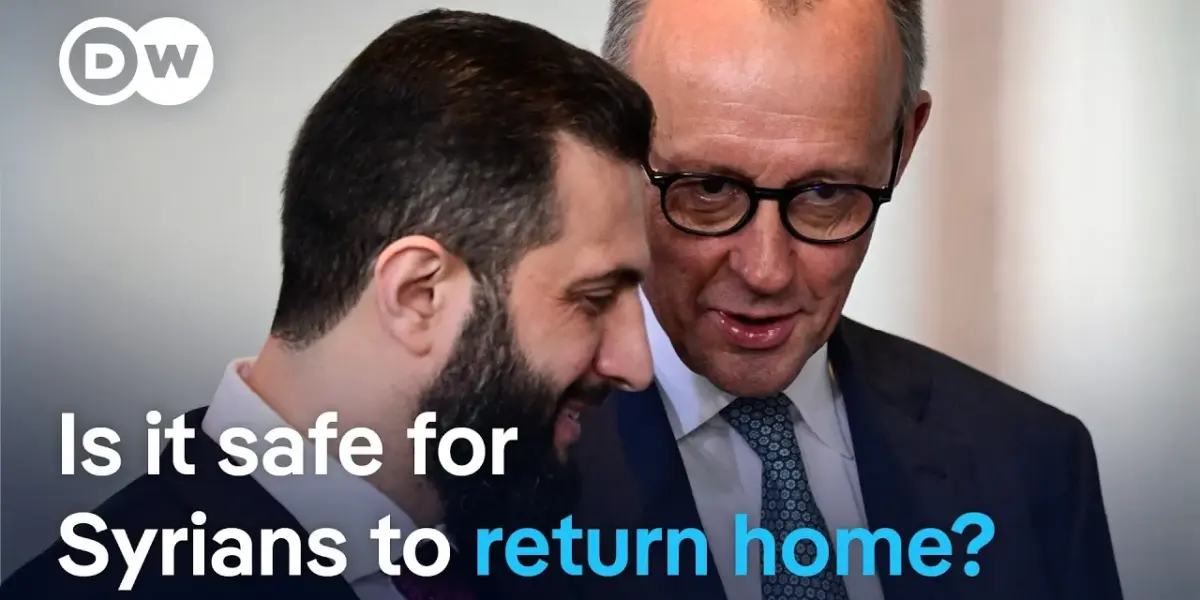
Germany Pushes for Mass Syrian Refugee Return
German Chancellor Friedrich Merz announced a significant goal: 80% of Syrians currently in Germany should return to their homeland within the next three years. This ambitious plan was discussed during a meeting with Syria’s interim president, Ahmed al-Sharah, who made his first visit to Berlin since ousting dictator Bashar al-Assad in 2024. The talks focused on rebuilding Syria and the future of the roughly one million Syrians who have lived in Germany for about a decade, many arriving during the 2015 European migrant crisis.
Syrian President’s Visit Sparks Controversy and Hope
President al-Sharah’s visit to Berlin, aimed at discussing reconstruction and refugee return, has also drawn protests. Critics point to his past as a leader of an Islamist group. Despite this controversy, Chancellor Merz expressed optimism about the potential for Syrians in Germany to contribute to their country’s rebuilding. He stated that both leaders agreed on the goal for a large-scale return, viewing these individuals as valuable assets with skills and education who can help modernize Syria and attract German investment.
Economic Impact and Refugee Perspectives
The potential departure of a large number of skilled workers has raised concerns about Germany’s economy. Middle East expert Christian Hanold from the Berlesman Foundation emphasized the importance of a fact-based, non-emotional discussion. He noted that many Syrian refugees currently hold crucial jobs that support Germany’s society and economy. Hanold suggested that Germany should provide opportunities for these individuals to visit Syria, see the conditions, and invest in their home country if they choose, rather than creating fear of expulsion.
“It’s important to give them the opportunity to visit their families back in Syria to see how things are and to enable them if they want to reinvest in their home country that all of these facilities are being realized.”
Christian Hanold, Middle East Expert
Conditions for Return and Syria’s Reconstruction
Both Chancellor Merz and President al-Sharah highlighted that the returning Syrians are considered an asset for Syria’s reconstruction. They are seen as well-educated individuals who can help rebuild the country and act as a bridge to attract German companies. However, the success of any return hinges on creating the right conditions in Syria. Hanold stressed the need for political and economic stability, including pluralistic structures and the inclusion of all sects and ethnic groups. He pointed out that violence against minorities must end for all Syrians to feel part of their country’s modernization.
Germany’s Policy and International Acceptance
The German government’s push for refugee return aligns with a long-term goal of conservative parties. While this may please conservative and far-right groups, it is expected to face criticism from the left. DW political correspondent Ben Frier noted that Chancellor Merz has set a concrete target, aiming for 800,000 Syrians to leave Germany within three years. He also mentioned that temporary protection status for many Syrians in Germany is set to expire in two to three years, which could facilitate this return.
Protests and President Al-Sharah’s Standing
Protests during President al-Sharah’s visit were smaller than anticipated, with a few hundred people demonstrating for and against him. Chancellor Merz did not address al-Sharah’s controversial past during the press conference, welcoming him warmly. Frier pointed out that al-Sharah has gained acceptance in Western capitals, having met with leaders like U.S. President Trump and French President Macron, suggesting that his past as an Islamist rebel leader is being overlooked in the current political climate.
Looking Ahead
The coming years will be critical in determining the fate of Syrian refugees in Germany and the progress of reconstruction in Syria. Key factors to watch include whether Germany’s government can implement its return policy, the willingness of Syrians to return given the conditions in their homeland, and the political stability President al-Sharah can establish. The economic impact on Germany and the broader humanitarian situation in Syria will also be closely observed.
Source: What future for Syrians in Germany? | DW News (YouTube)

Related Articles


Germany’s Forests Fall, But Its Systems Endure
Germany confronts environmental decline in its forests while its citizens value reliable systems and order. Online discussions reveal a tension between strict rules and the need for flexibility, alongside appreciation for the nation's enduring infrastructure and beauty.
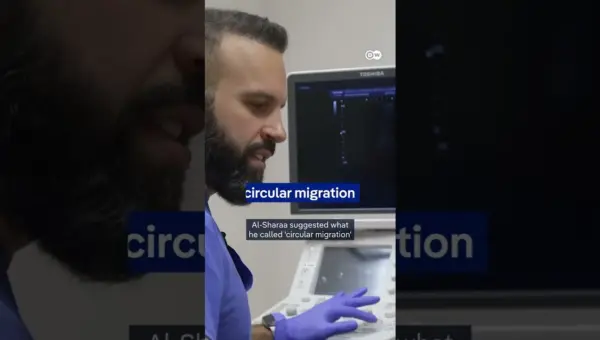
Germany Eyes Mass Return of Syrian Refugees
Germany and Syria have agreed to facilitate the return of up to 80 percent of the nearly one million Syrian refugees living in Germany. The plan involves voluntary repatriation over the next few years, with provisions for those who wish to stay. The interim Syrian President's visit, however, sparked controversy due to past human rights allegations.
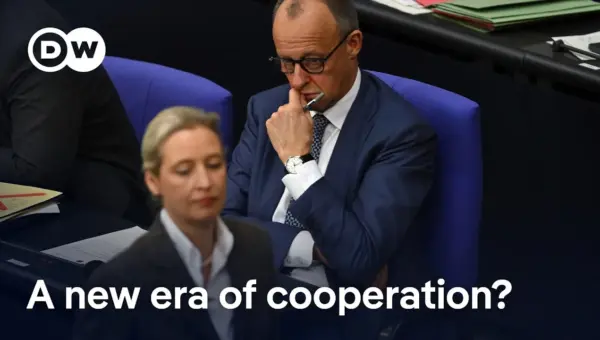
Germany’s Anti-AfD Firewall Crumbles Amidst Shifting Politics
Germany's political 'firewall' against the far-right AfD party is showing significant cracks due to rising AfD popularity and recent instances of cooperation. Historically rooted in Germany's experience with Nazism, the firewall aimed to prevent extremist parties from gaining power. However, shifts in the AfD's rhetoric and increased AfD strength, especially in eastern Germany, are challenging this long-standing political norm.