Germany Debates Syrian Refugee Returns Amidst Conflicting Statements
German Interior Minister Horst Seehofer's comments about Syrian President Bashar al-Sharaa wishing for 80% of Syrian refugees in Germany to return home have sparked controversy. The Chancellor's office later clarified that the 80% figure was a hypothetical scenario from a report, not a direct demand from al-Sharaa.

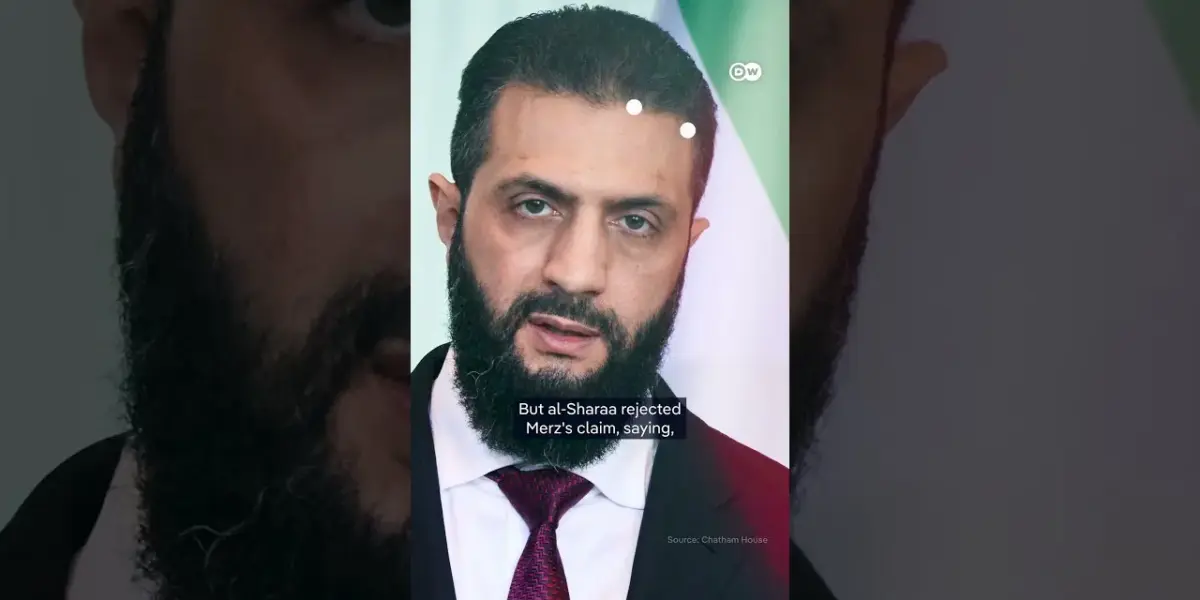
Germany Grapples with Syrian Refugee Return Debate
A recent statement attributed to Syrian President Bashar al-Sharaa, suggesting that 80% of Syrians currently in Germany should return home, has ignited a significant debate within Germany. The claim, which surfaced following comments by German Interior Minister Horst Seehofer, has led to confusion and strong reactions from various political and humanitarian groups.
Conflicting Accounts Emerge
The controversy began when Seehofer reportedly stated that the desire for a large-scale return of Syrian refugees was also a wish of President al-Sharaa. He mentioned a figure of around 80% of Syrians in Germany returning to their homeland within the next three years. This statement immediately drew criticism and calls for clarification from opposition parties and refugee advocacy organizations.
However, the situation became more complex when, just a day later, the German Chancellor’s office clarified the origin of the 80% figure. The Chancellor’s office stated that this specific percentage did not originate from President al-Sharaa himself. Instead, it was presented as a hypothetical scenario outlined in a report by the German Federal Office for Migration and Refugees (BAMF). This report explored conditions under which a significant number of Syrians might choose to return, should the Syrian economy be rebuilt and stability be achieved.
Report Scenarios vs. Political Statements
The BAMF report, titled “Prognosis of future refugee movements from Syria,” did indeed outline various scenarios. One of these scenarios suggested that if the Syrian economy were to recover and become stable, potentially thousands of Syrian refugees in Germany might consider returning. However, the report did not present this as a demand or a stated goal by the Syrian government. The distinction between a hypothetical scenario in a report and a direct political statement from a head of state is crucial.
This clarification aimed to correct the perception that President al-Sharaa had explicitly called for the return of 80% of Syrians from Germany. The German government emphasized that the report’s findings were based on analysis and projections, not on direct communication with the Syrian presidency regarding such a specific return target. The incident highlights the challenges in interpreting and communicating information related to international relations and refugee policies.
Broader Implications for Refugee Policy
The debate surrounding these statements touches upon the broader questions of refugee return and integration in Germany. Germany has hosted a significant number of Syrian refugees since the Syrian civil war began in 2011. While many Syrians have successfully integrated into German society and found work, the possibility and desire for return remain complex issues.
Factors influencing a potential return include the security situation in Syria, the availability of housing and employment, and the reunification of families. For many, returning to Syria is a deeply personal decision influenced by these conditions. International organizations and governments continue to monitor the situation, emphasizing that any return must be voluntary and safe.
Calls for Clarity and Responsible Communication
The confusion generated by the initial statements has led to renewed calls for clear and responsible communication from German officials regarding refugee policy. Critics argue that misinterpretations or exaggerated claims can fuel anti-immigrant sentiment and create unnecessary anxiety among refugees. They stress the importance of distinguishing between factual reports and political rhetoric.
Moving forward, the focus remains on ensuring that policies concerning Syrian refugees are based on accurate information and respect international humanitarian principles. The German government is expected to provide further clarity on its stance regarding Syrian refugee returns and its engagement with Syrian authorities on this sensitive issue.
What to Watch Next
Attention will now turn to how the German government addresses the discrepancy in statements and clarifies its official position on Syrian refugee returns. Further details from the BAMF report and any official communications between Germany and Syria regarding repatriation could provide more insight. The ongoing developments will be closely watched by refugee support groups, international bodies, and the Syrian diaspora.
Source: Merz vs. al-Sharaa. Who wants Syrians to go back? (YouTube)

Related Articles


Germany Reverses Refugee Policy, Shifting Political Landscape
Germany is reversing its decade-old open-door refugee policy, aiming to send hundreds of thousands of Syrian refugees home. This decision by the ruling Christian Democrats aims to recapture anti-immigrant votes and reshape the country's fractured political landscape.
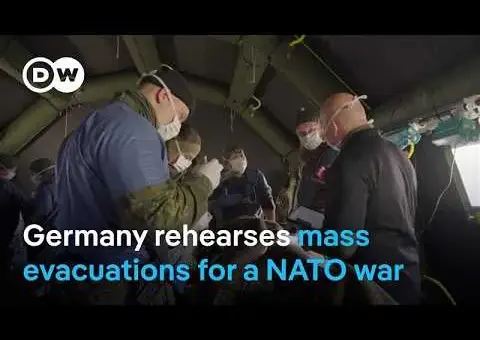
Germany Tests War Readiness: Can It Evacuate 1,000 Wounded NATO Soldiers Daily?
Germany recently held its largest medical exercise in decades, Quadriga 2026, to test its capacity to evacuate up to 1,000 wounded NATO soldiers daily from the alliance's eastern flank. The drill simulated real-world conditions, from battlefield injuries in Lithuania to hospital transfers across Germany, exposing both strengths and critical weaknesses in the nation's war readiness.


Syrians Face Harsh Reality Upon Return Home
Syrians returning to their homeland after years in exile are finding a country with severely damaged infrastructure and a high cost of living. Despite calls from European leaders for refugees to go home, returnees report a lack of basic services and persistent safety concerns, questioning the feasibility of mass repatriation.