Germany Debates Iran War Legality Amid Legal Rift
Germany's President Frank-Walter Steinmeier has declared the Iran war illegal under international law, creating a rift with the government's more cautious approach. The government emphasizes its role in conducting the official legal review, while seeking diplomatic solutions to end the conflict. This internal debate raises questions about Germany's foreign policy cohesion.

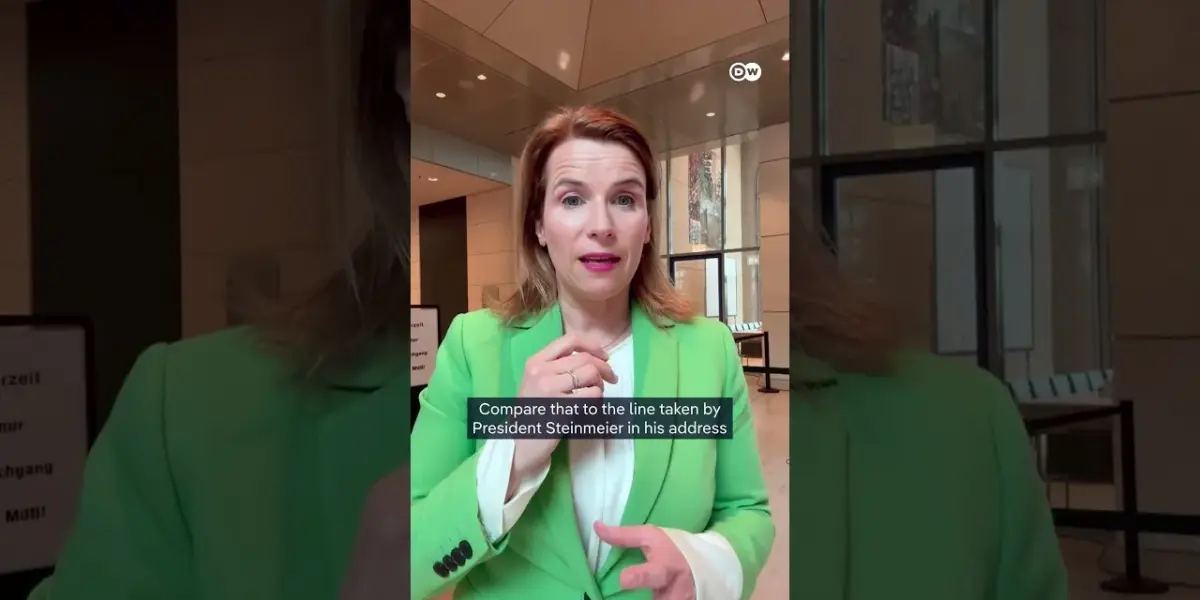
Germany Divided on Iran War’s Legal Standing
Germany finds itself in a complex debate regarding the legality of the Iran war, a topic that has exposed a significant rift within its political leadership. President Frank-Walter Steinmeier has openly declared the war illegal under international law, a strong stance that contrasts with the government’s more cautious approach. This division raises questions about Germany’s position and its potential role in de-escalating the conflict.
President Steinmeier’s Strong Stance
President Steinmeier, often seen in a largely ceremonial role, made a powerful statement calling the Iran war illegal. He emphasized that such actions violate international law, a principle he has upheld in the past. His remarks suggest a deep concern over the legal and ethical implications of the ongoing conflict. Steinmeier stated, “What is being said there does not make sense to us in its strategic dimension. And therefore, we are looking for ways in which we can also contribute our weight from the European Union and beyond to bring this war to an end.” He believes this war is illegal under international law.
Government’s Cautious Approach
In contrast, the German government, led by Chancellor Olaf Scholz, has adopted a more reserved position. While acknowledging the international legal considerations, the government maintains that the official legal assessment rests with them. President Steinmeier himself noted, “The legal review of international law in this, as in other cases, lies with the federal government, and I expect officeholders of the Federal Republic to await this review and respect it.” This suggests a difference in interpretation or a strategic decision to wait for a formal government ruling before taking a definitive public stance.
Parliamentary Questions and Political Maneuvering
The issue surfaced during parliamentary questioning, where Friedrich Merz, the head of Germany’s opposition party, seemingly managed to avoid directly stating his position on the war’s legality. This political maneuvering highlights the sensitivity of the topic and the potential for it to become a major point of contention. The government’s focus, according to Steinmeier’s comments, is on finding diplomatic solutions to end the war, regardless of the immediate legal classification. He stressed the importance of pursuing diplomatic means, whether the war is deemed legal or not.
Broader Implications for Germany and the EU
This internal debate has significant implications for Germany’s foreign policy and its role within the European Union. A clear, unified stance on international law and armed conflict is crucial for maintaining Germany’s credibility on the global stage. The rift between the President and the government could complicate diplomatic efforts and signal a lack of cohesion in Germany’s approach to foreign crises. The EU, which often relies on Germany for leadership in such matters, may also find its unity tested by this internal disagreement.
Seeking Diplomatic Resolution
Despite the legal debate, the ultimate goal expressed by President Steinmeier is to contribute to ending the war through diplomatic channels. Germany, along with its partners in the European Union, is actively seeking ways to exert influence and promote peace. The focus remains on practical solutions to stop the violence, even as the legal intricacies are being examined. The hope is that by working together, Germany and the EU can play a constructive role in achieving a lasting ceasefire and subsequent peace settlement.
What to Watch Next
All eyes will be on the German government’s formal legal assessment of the Iran war. How this official review is conducted and its findings will be crucial. Furthermore, the public’s reaction to the government’s stance and the ongoing diplomatic efforts will shape Germany’s future foreign policy decisions. The ability of German leaders to present a united front on international law will be key to their influence in future global crises.
Source: German rift over legality of Iran war | DW News (YouTube)

Related Articles

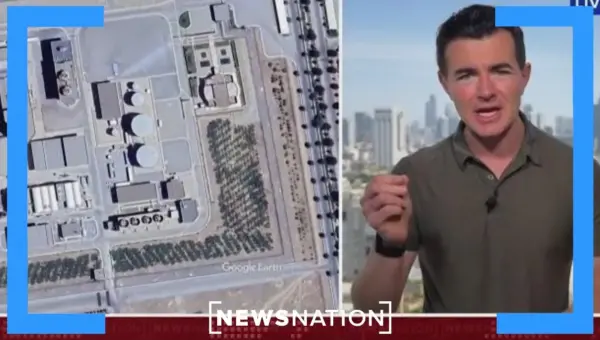
Iran War Escalates, Allies Join Fight for Strait of Hormuz
The conflict in the Middle East intensifies as Iran faces expanded strikes from Israel and retaliatory attacks across the region. The U.S. deploys thousands more troops and offers a 15-point deal, while the Houthis of Yemen join the fray with a missile attack on Israel. Allies are preparing to help secure the vital Strait of Hormuz.


Americans Rally for Democracy Amidst War and Economic Woes
Thousands of Americans are participating in "No Kings" rallies nationwide, demanding accountability from leaders and drawing parallels to historical movements that spurred significant change. The protests occur amidst a controversial war with Iran, economic uncertainty, and a partial government shutdown. Organizers emphasize solidarity, joy, and the power of collective action in defending democracy.
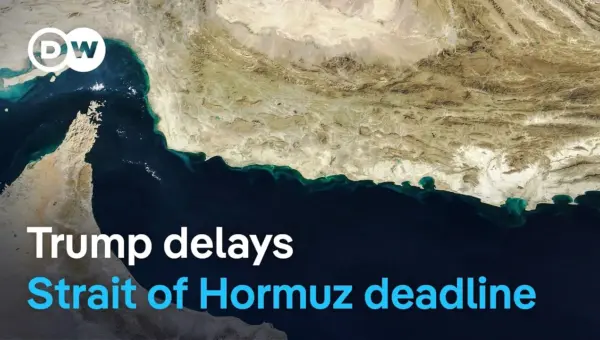
Trump Delays Iran Strike Deadline Amidst Shifting Diplomacy
President Donald Trump has extended his deadline for potential strikes on Iranian energy plants to April 6th, amid reports of U.S.-Iran diplomatic talks mediated by Pakistan. This move comes as Israel continues its strikes on Iran and the U.S. deploys additional military assets to the region. Analysts point to mixed signals, economic pressures, and strategic miscalculations as key factors shaping the evolving situation.