German Reunification Nearly Failed: How One Leader Made It Happen
German reunification, a landmark event, nearly failed due to international opposition. West German Chancellor Helmut Kohl orchestrated a secret diplomatic campaign, overcoming resistance from global leaders to unite East and West Germany. The process was catalyzed by a mistaken announcement leading to the fall of the Berlin Wall and finalized through complex negotiations.

Unforeseen Path to a United Germany
The reunification of Germany, a pivotal moment in late 20th-century history, was far from a guaranteed outcome. While widely celebrated today, the process faced significant opposition from global leaders and was nearly derailed by complex geopolitical maneuvers. The dramatic events of November 9, 1989, the fall of the Berlin Wall, marked a symbolic end to division, but the path to a single German state was paved with clandestine negotiations and the sheer determination of one key figure: West German Chancellor Helmut Kohl.
A Divided Nation’s Complex Origins
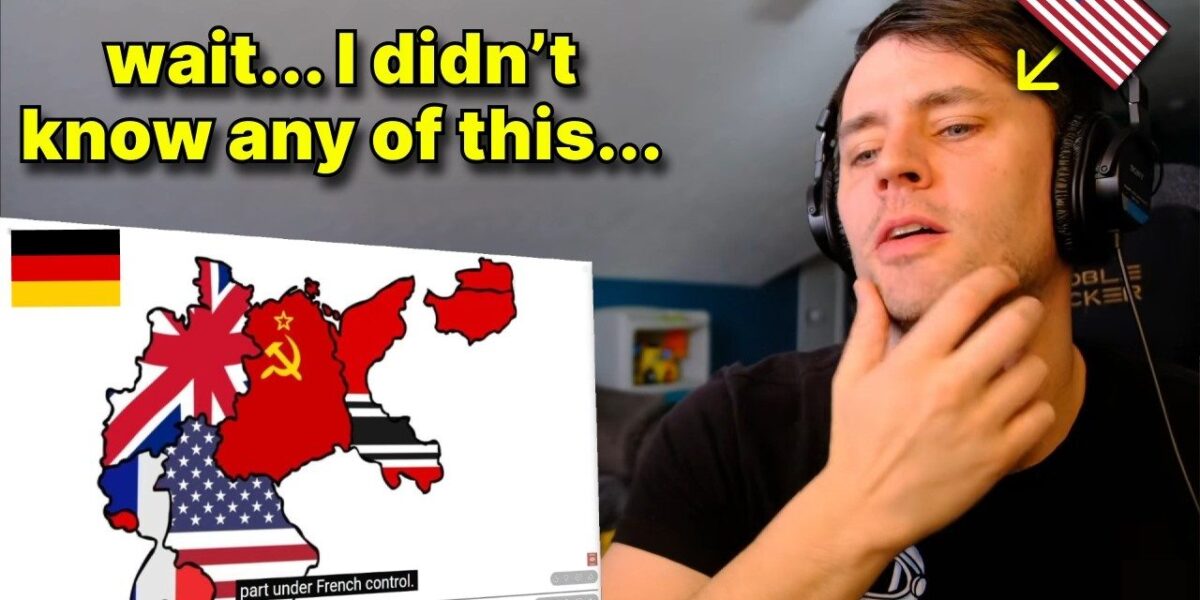
Following World War II, Germany was not merely divided into the four well-known Allied occupation zones (American, British, French, and Soviet), but into seven distinct administrative regions. Beyond the primary zones, three additional areas had unique fates. A small region became the “Sprote Protectorate,” later rejoining West Germany in the 1950s. Another significant portion, now known as Kaliningrad Oblast, was fully integrated into the Soviet Union, its inhabitants becoming Russian and its language officially Russian. A vast swathe of eastern territory was ceded to Poland, fundamentally altering the lives and national identities of its German residents.
Over time, the British, French, and US zones coalesced into West Germany, while the Soviet zone became East Germany. The ideological chasm of the Cold War solidified this division, making reunification seem increasingly improbable. The construction of the Berlin Wall in 1961 served as a stark physical manifestation of this separation, designed to prevent emigration from the economically struggling East to the prosperous West. By the 1980s, the disparities between the two Germanys had fueled widespread discontent, leading to a wave of peaceful protests across East Germany.
The Accidental Catalyst: A Misspoken Announcement
The immediate catalyst for the fall of the Berlin Wall was an unexpected misstatement by an East German press secretary on the evening of November 9, 1989. In a press conference intended to announce new, albeit restricted, travel regulations, the secretary mistakenly implied that citizens could cross the border immediately. The announcement, broadcast widely, was interpreted by the populace as the immediate opening of the borders. Thousands of East Germans converged on border checkpoints, overwhelming bewildered guards who, without direct orders, ultimately opened the gates. This spontaneous breach of the Wall became a global symbol of liberation and the impending end of the Cold War.
The fall of the Wall ignited a powerful call for reunification. As the German national anthem was sung in the West German Parliament, the world watched, but the crucial question remained: who would steer the monumental task of uniting the nation?
Helmut Kohl’s Secret Diplomatic Offensive
Chancellor Helmut Kohl, then in Poland to celebrate the establishment of its first freely elected government since World War II, received the news with a mixture of shock and opportunity. Recognizing the historic window, he swiftly returned to Germany and began formulating a secret plan for reunification. This initiative was conducted with utmost discretion, with only Kohl and a select few aware of his intentions. He presented his plan to other world leaders just an hour before its public announcement, notably sending it only in German to hinder immediate opposition.
On November 28, 1989, a mere two and a half weeks after the Wall fell, Kohl publicly declared, “Germany will be united.” This bold proclamation was met with apprehension by the four Allied powers—the United States, the Soviet Union, Great Britain, and France—who still held “reserved rights” over Germany’s future. A unified Germany, they feared, would once again become a dominant European power, a specter that haunted nations scarred by two World Wars.
Navigating International Opposition
Kohl’s primary challenge was to secure the consent of these four powers. He first addressed the concerns of East Germany, where reunification was overwhelmingly desired as an escape from economic hardship. Kohl actively campaigned for pro-reunification parties in the East German elections, which subsequently won, securing the internal mandate.
Next, Kohl approached France, led by François Mitterrand. Historically, Franco-German relations were fraught with rivalry. Mitterrand, however, saw an opportunity: a unified Germany could become a stronger partner within a more integrated Europe. His support came with a significant condition: a strengthened European Union, including a single currency, a unified foreign policy, and potentially a European army. This paved the way for the modern EU, with Germany and France as its principal driving forces.
Great Britain, under Prime Minister Margaret Thatcher, remained deeply skeptical. Having experienced the Blitz during World War II, Thatcher feared a dominant Germany. “If we did not retain our national identities in Europe,” she stated, “the dominant people in Europe would be German.” However, Britain’s diminished global influence meant its objections carried less weight. As France and the US began to show signs of agreement, Britain’s opposition became increasingly isolated.
The United States, under President George H.W. Bush, viewed reunification with less trepidation. A unified Germany could serve as a stable ally in Europe, potentially pushing Soviet influence further west and strengthening NATO. The US provided crucial backing, viewing it as a strategic advantage.
The most significant hurdle remained the Soviet Union, led by Mikhail Gorbachev. East Germany was a key Soviet satellite, and the prospect of NATO forces potentially moving into its territory was a major concern. However, Gorbachev was facing immense internal pressure, with the Soviet Union on the brink of collapse and in dire need of economic reform. Kohl shrewdly offered a solution: West Germany would provide substantial financial aid and loans to the Soviet Union in exchange for its approval. This economic incentive, coupled with assurances that no NATO bases would be established in East Germany and that Soviet withdrawal would not be framed as a defeat, swayed Gorbachev.
Territorial Demands and Final Agreement
With the consent of the four powers secured, a final, crucial question arose: territorial claims. Helmut Kohl initially pushed for the return of territories lost to Poland and the Soviet Union after World War II. However, the Allied powers made it clear: reunification would only be approved for the existing borders of East and West Germany. Facing the stark choice of reunification with current borders or no reunification at all, Kohl ultimately relented, relinquishing claims to former German territories. This concession was vital for the final agreement.
In 1990, Soviet forces withdrew from East Germany, the Allied powers ended their occupation, and a single, unified Germany was officially born. The momentous occasion was marked by widespread celebration, signifying the end of decades of division and a new chapter for both Germany and Europe.
Looking Ahead
The reunification of Germany stands as a testament to diplomatic skill and historical circumstance. While the immediate joy was palpable, the economic and social integration of East and West Germany presented ongoing challenges. The legacy of this period continues to shape European politics, underscoring the complex interplay of national identity, international relations, and economic imperatives. Future developments will likely focus on the continued economic convergence of the former East and West, and Germany’s evolving role within the European Union and on the global stage.
Source: American reacts to German Reunification Explained (YouTube)

Related Articles

America’s Fading Alliances: Munich Conference Signals a Global Realignment
The Munich Security Conference revealed a growing chasm between U.S. rhetoric and allied perceptions. Observers noted a cold reception for the American delegation, signaling a potential decline in U.S. influence and a strategic pivot by European nations towards greater self-reliance.

Europe Faces Post-Cold War Order Collapse After Munich Security Summit
Western leaders at the Munich Security Conference acknowledged the end of the post-Cold War security order, raising concerns for Europe's future. Ukrainian President Zelenskyy urged continued support against territorial concessions, while transatlantic tensions underscored the shifting geopolitical landscape.

Canada’s Quiet Rise: A New North American Superpower?
As the United States grapples with internal issues, Canada is strategically positioning itself as a new North American superpower. With a focus on resource security, defense independence, and pragmatic leadership, Ottawa is forging new alliances and economic strengths, challenging America's traditional dominance.