German Memes Reveal Global Anxieties: From Fuel Prices to Existential Dread
A collection of German memes reveals widespread anxieties about rising fuel prices, economic instability, and the rapid passage of time. The humor, often dark and self-deprecating, serves as a coping mechanism and a commentary on modern life's absurdities.

German Memes Reveal Global Anxieties: From Fuel Prices to Existential Dread
A recent collection of German memes, shared online and reacted to by a content creator, offers a surprisingly insightful, albeit humorous, window into the collective consciousness of Germany and, by extension, broader global anxieties. While ostensibly a lighthearted exploration of internet humor, these memes touch upon a range of pressing issues, from economic instability and the rising cost of living to the passage of time and existential ennui. The humor, often dark and self-deprecating, serves as a coping mechanism for shared frustrations and a commentary on the absurdities of modern life.
Economic Woes and the Price of Everything
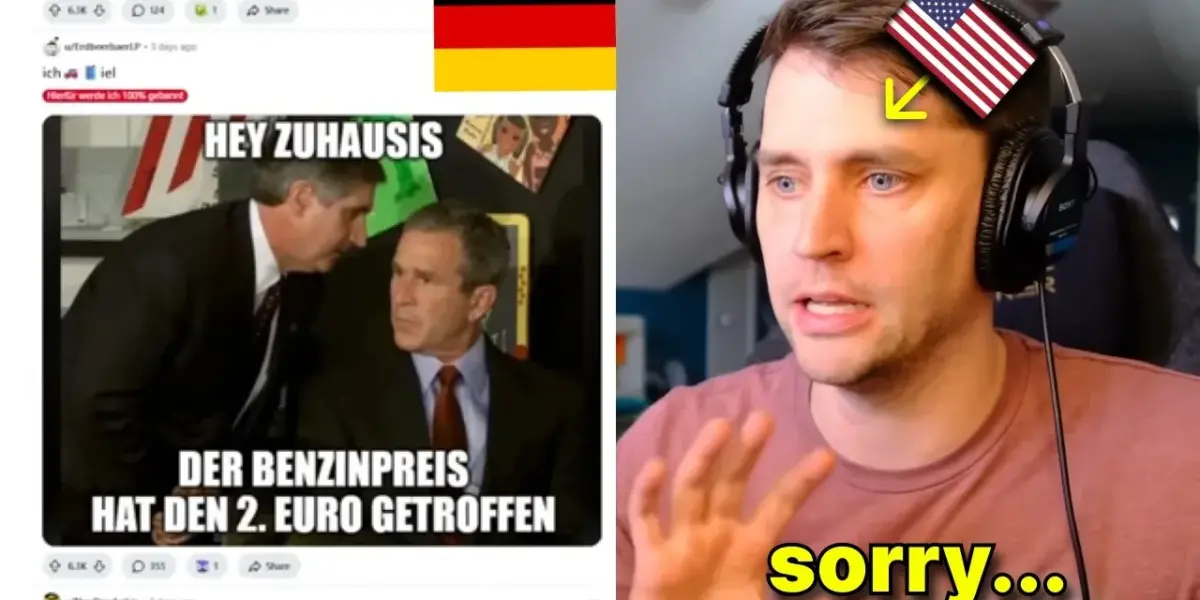
A dominant theme emerging from the memes is the pervasive concern over rising fuel prices. One meme humorously suggests that if one cannot afford rising fuel prices, they should simply buy a €30,000 car. The creator points out the irony, questioning why one would buy a new car, perhaps an electric one, to mitigate costs. The meme highlights a disconnect between proposed solutions and the economic realities faced by many. Another meme laments the price of gasoline reaching “the second euro” per liter, which, when translated to dollars per gallon, approaches $10. This sticker shock is a shared experience, with the creator noting similar price hikes in the United States, where prices have jumped from $2.20 to around $3 per gallon in a short period.
The economic strain extends beyond fuel. The rising cost of oil is presented as a significant factor contributing to inflation, a “disastrous factor” for the global economy. This is juxtaposed with the falling price of cocoa, which, counterintuitively, does not lead to cheaper chocolate. The meme explains that the increased cost of transporting chocolate via truck due to higher fuel prices negates any savings from raw material costs. The creator elaborates on this, explaining that the price of a chocolate bar is influenced by a vast value chain, including rent, labor, and logistics, with the actual cost of cocoa being a relatively small component. This illustrates how seemingly isolated economic shifts can have cascading effects across various industries.
The phenomenon of “tax exiles” in Dubai also features prominently. Memes suggest that German influencers and others are flocking to the UAE to evade taxes, a trend mirrored in the United States. The allure of Dubai is presented as a luxurious, tax-free lifestyle, though the creator questions the sheer volume of such content and the implication of widespread tax evasion among a specific demographic.
The Relentless March of Time and Existential Dread
Beyond economic anxieties, the memes delve into the unsettling passage of time and the feeling of existential dread. A meme depicting a character looking at a calendar, with January 1st quickly followed by March 1st, captures a common sentiment of time slipping away too fast. The creator expresses a similar bewilderment, stating, “It’s impossible that a fourth of the year is over.” This feeling is amplified by the realization of how much of life has already passed, with one meme humorously stating, “Only 40 more years of work. Yep. And then you can die.” This dark humor reflects a societal weariness and a questioning of life’s purpose when faced with the perceived monotony of work and the inevitability of mortality.
The creator personalizes this feeling, contemplating the vastness of time and the limited number of remaining years. The question, “What am I even doing? Why do I even bother with anything?” encapsulates a moment of profound existential reflection triggered by the simple observation of time’s swift progression. This sentiment is further echoed in a meme where someone, after an 8-hour workday, sits in front of another screen and declares, “I am the dumbest person in the world.” This self-deprecation, while humorous, hints at a deeper fatigue and a questioning of one’s place and productivity in the world.
Cultural Nuances and Shared Human Experiences
The memes also offer glimpses into German culture, albeit through a humorous lens. The initial meme, a reaction to a German kids’ show segment about arts and crafts, highlights a nostalgic, perhaps slightly quirky, aspect of childhood entertainment. The confusion over a German subreddit featuring content from “two boys, one crazy idea” and its similarity to American burger joints, except for the presence of gloves, points to subtle cultural differences and shared consumer experiences. The question about the German equivalent of a kebab shop suggests a curiosity about national culinary identities.
A meme about Germans eating “disgusting stuff” in other countries, contrasted with their own perceived culinary norms, is a common trope in cross-cultural humor. The reference to “the working time” and the HR department listening in suggests a workplace dynamic where candid discussions about workload or working hours might be sensitive. The meme about cats needing armor and the creator’s playful, albeit literal, interpretation of the request highlights the surreal and imaginative nature of internet humor.
The meme about people bidding on eBay items with days left on the auction, driving up the price prematurely, resonates with a universal frustration about suboptimal decision-making in online commerce. The creator advocates for strategic bidding in the final seconds to avoid overpaying, a practical tip disguised as a meme reaction.
Why This Matters
These German memes, when viewed through an analytical lens, are more than just fleeting internet jokes. They serve as a barometer for societal anxieties, revealing shared concerns about economic stability, the escalating cost of living, and the relentless pace of modern life. The humor, often tinged with dark satire, provides a collective outlet for processing these stresses. The recurring themes of inflation, fuel prices, and the fleeting nature of time suggest a global undercurrent of uncertainty and a longing for simpler times or more predictable futures. The prevalence of memes about Dubai and tax evasion also points to a growing discourse around wealth inequality and the perceived loopholes available to the affluent.
Implications, Trends, and Future Outlook
The popularity of these memes indicates a significant trend in how people engage with and process complex global issues. The internet, particularly platforms like Reddit and social media, has become a primary space for collective expression and commentary. Memes, with their concise and often humorous format, are particularly effective in distilling broad societal concerns into easily digestible content. This suggests a future where digital platforms will continue to play a crucial role in shaping public discourse, even on serious topics.
The anxieties reflected in the memes – economic instability, environmental concerns (implied by fuel prices and electric cars), and existential questions about time and purpose – are likely to persist and potentially intensify. As global events continue to unfold, the demand for relatable and cathartic content like memes will likely grow. We may see an increase in memes addressing geopolitical tensions, climate change impacts, and the evolving nature of work and personal fulfillment.
The cultural exchange evident in the memes, where German humor intersects with global trends (like the Dubai influencer phenomenon), highlights the increasingly interconnected nature of online culture. What begins as a local meme can quickly gain international traction, reflecting shared human experiences and concerns across borders.
Historical Context
Humor has always served as a social lubricant and a tool for commentary, especially during times of hardship. From political cartoons to wartime songs, people have used wit and satire to cope with adversity and critique societal structures. The rise of internet memes is a modern iteration of this age-old practice. In Germany, a history of economic upheaval, including hyperinflation in the early 20th century and the post-war economic miracle (Wirtschaftswunder), has perhaps fostered a particular resilience and a tendency towards dark humor when facing economic challenges. The current anxieties, while different in nature, tap into a long-standing awareness of economic fragility.
The existential themes present in the memes also have historical parallels. Philosophers and artists throughout history have grappled with the meaning of life, the passage of time, and the human condition. The modern manifestation of these concerns in meme culture reflects how these perennial questions are being processed in the digital age, often through a lens of irony and self-awareness.
In conclusion, these German memes, far from being mere digital ephemera, offer a valuable lens through which to understand the contemporary zeitgeist. They reveal a generation grappling with economic uncertainty, the dizzying speed of life, and fundamental questions about existence, all while finding solace and connection in shared, often humorous, digital experiences.
Source: Reacting to the FUNNIEST GERMAN MEMES [#140] (YouTube)

Related Articles


Market Turmoil? Boost Life Quality on a Budget
In today's volatile economic climate, individuals are advised to curb 'doomscrolling' and adopt budget-friendly strategies to enhance life quality. Activities like outdoor walks, utilizing public libraries, home cooking, online workouts, nurturing friendships, and reading offer cost-effective paths to well-being and financial resilience.

German Memes: A Hilarious Look at Culture and Daily Life
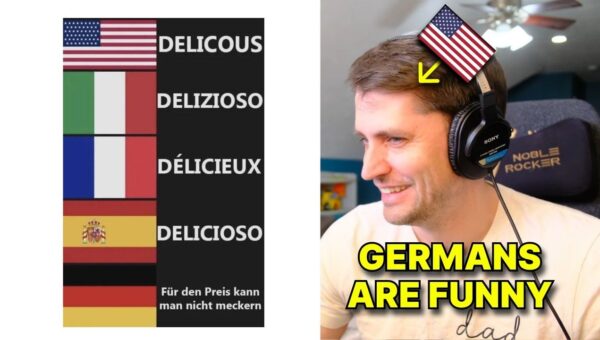
A viral video reacting to German memes offers a humorous look at cultural quirks, from delivery service frustrations and consumer habits to workplace dynamics and linguistic oddities. The memes highlight shared human experiences with a distinctly German flavor, resonating with a global audience.

Iran’s Economy Under Strain: Citizens Grapple with Soaring Prices
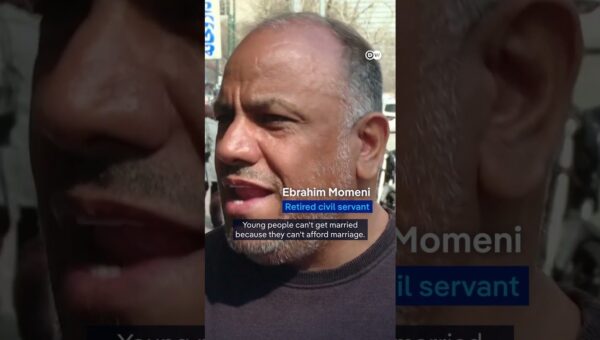
Iranians are facing severe economic hardship as soaring prices strain household budgets, particularly for those on fixed incomes. Rising costs for essentials and a challenging housing market are pushing many to the brink, highlighting the deepening economic crisis.