German Memes: A Hilarious Look at Culture and Daily Life
A viral video reacting to German memes offers a humorous look at cultural quirks, from delivery service frustrations and consumer habits to workplace dynamics and linguistic oddities. The memes highlight shared human experiences with a distinctly German flavor, resonating with a global audience.


Cultural Quirks and Delivery Dilemmas Unpacked in Viral Memes
A recent viral video reacting to German memes has offered a humorous yet insightful glimpse into the peculiarities of German culture, daily life, and common frustrations. The collection of memes, shared and commented upon by a content creator, touches upon everything from shipping services and workplace etiquette to consumer habits and linguistic nuances, resonating with audiences worldwide who recognize similar themes in their own lives.
Delivery Services: A Source of Shared Exasperation
The memes highlight a common point of contention: the reliability and customer service of German delivery companies. One meme contrasts the simple logos of village butcher shops with the complex emoji-laden branding of delivery services, quipping, “We deliver in 1 to 3 days. DHL says that. So do we. DPD.” This is followed by a scenario of a customer being told to wait in a room because a delivery is three hours behind schedule, a stark contrast to the expectation of punctuality in other cultures. The implication is that while Germans value efficiency, the reality of delivery services can often fall short, leading to a shared, albeit often unspoken, frustration.
“Why are you 10 minutes late? Please take a seat in the waiting room. It may be a while. We are three hours behind schedule.”- A meme depicting the realities of German delivery services.
Consumerism and the “Extra Charge” Culture
Another recurring theme is the German penchant for nickel-and-diming, or as the memes put it, “businesses would just get better at extracting money from people.” A prime example is the meme about a ketchup charge for fries, where customers must pay an extra 40 cents. This is framed as a significant cultural difference, suggesting that while other countries might offer such condiments freely, Germany has evolved a system where even small additions come with a price tag. This meme humorously points to a perceived shift in consumer culture, where value for money is paramount, and additional services are often met with a skeptical eye.
The Nuances of German Compliments and Work Culture
The video also delves into the subtle art of German praise. While other cultures might readily express effusive delight, a German compliment is presented as a rare and valuable commodity. “If a German says that, that’s a high compliment,” the creator explains, suggesting a cultural tendency towards reserve. This reserve extends to workplace benefits, as illustrated by a meme discussing a company bicycle program. The meme details a convoluted payment structure involving monthly fees, a salary deduction, and a significant percentage of the bike’s value after three years, leading to the ironic conclusion that buying a used bike outright would be more cost-effective.
“I’m supposed to pay €100 monthly for my salary and after 3 years pay another 20% of the new value. I might as well buy a used bike for a one-time payment of €1,000.”- A meme questioning the value proposition of employer-provided bicycles.
Linguistic Quirks and Translation Troubles
The memes also play on linguistic specificities and the challenges of translation. The concept of “slacky stroke,” a term for a long kitten, leads to a humorous moment of confusion, highlighting how direct translations can sometimes miss the mark or create amusing misunderstandings. Similarly, the meme about calling a shoehorn a “shoe spoon” demonstrates how colloquialisms and wordplay can create unique cultural expressions that are difficult for outsiders to grasp immediately.
Everyday Absurdities: From Peeing in Showers to Public Transport Woes
The collection doesn’t shy away from the more unconventional aspects of daily life. A meme suggesting, “Everyone pees in the shower now and then,” is met with a candid response, “Yeah, I pee in the shower all the time. Was I supposed to lie about that?” This moment of shared, albeit slightly embarrassing, honesty underscores the relatable nature of the memes. Public transport also emerges as a source of humor, with memes mocking the mundane experiences of waiting for buses and trains, which the creator admits to not fully relating to, perhaps due to different cultural experiences with public transit.
The Enduring Appeal of Relatable Humor
Ultimately, the video’s popularity stems from its ability to tap into universal human experiences through the specific lens of German culture. Whether it’s the frustration with delayed services, the careful consideration of costs, the subtle social cues, or the everyday absurdities, these memes provide a platform for shared laughter and recognition. As the creator concludes, the human brain’s tendency to procrastinate, choosing internet browsing over productive tasks like cleaning a garage, is a globally understood phenomenon. The memes, in their own unique way, capture these shared human traits, making them not just funny, but also a form of cultural commentary that transcends borders.
Looking ahead, the creator plans to continue exploring cultural memes, potentially delving into other national humor trends. The success of this video suggests a strong audience appetite for content that blends humor with cultural observation, promising more entertaining and insightful content in the future.
Source: Reacting to the FUNNIEST GERMAN MEMES [#139] (YouTube)

Related Articles

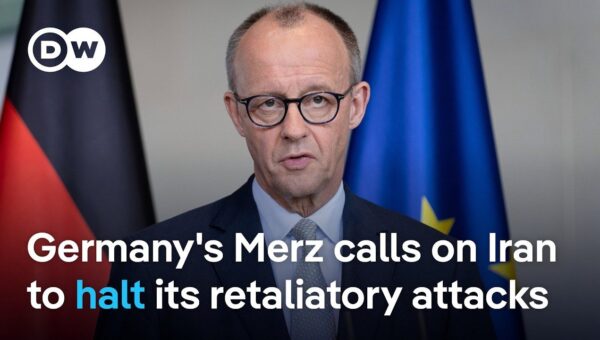
Germany on US-Israel Strikes: No “Lecturing” Partners
Germany's Chancellor Scholz calls on Iran to end its attacks and nuclear program but refrains from "lecturing" US-Israel on international law regarding recent strikes. Berlin increases security for Jewish institutions amid fears of retaliation.


Germany’s Fake Laws: AI Disinformation Campaign Exposed
Viral AI-generated videos falsely claim Germany has enacted absurd laws, including fines for flushing toilet paper. Experts reveal a disinformation campaign aiming to portray Germany as chaotic, with potential commercial or political motives behind the fabricated content.


Germany Navigates Tricky US-China Balancing Act
Germany faces a complex geopolitical challenge, needing to balance its alliance with the US and its economic ties with China. Experts suggest a 'smart approach' focusing on diversification and strategic autonomy, rather than a forced choice, is the most viable path forward.