German Humor: Beyond ‘Ja’ and into Absurdity
German memes reveal a unique sense of humor that is dry, observational, and often absurd. From linguistic quirks to everyday annoyances and a satirical take on rising prices, these jokes offer a fascinating glimpse into German culture and shared experiences.

German Humor: Beyond ‘Ja’ and into Absurdity
Online humor, particularly in the form of memes, often reveals a lot about a culture. A recent look at German memes shows a unique brand of wit that’s dry, observational, and sometimes downright bizarre. These jokes touch on everyday annoyances, linguistic quirks, and a surprising amount of self-deprecation.
The Absurdity of Everyday Life
Many German memes highlight the strange corners of daily living. One meme describes men who travel to developing countries to find much younger partners, contrasting it with a more transactional approach in America. Another joke pokes fun at people who abandon unwanted items in grocery stores, suggesting a lack of basic consideration.
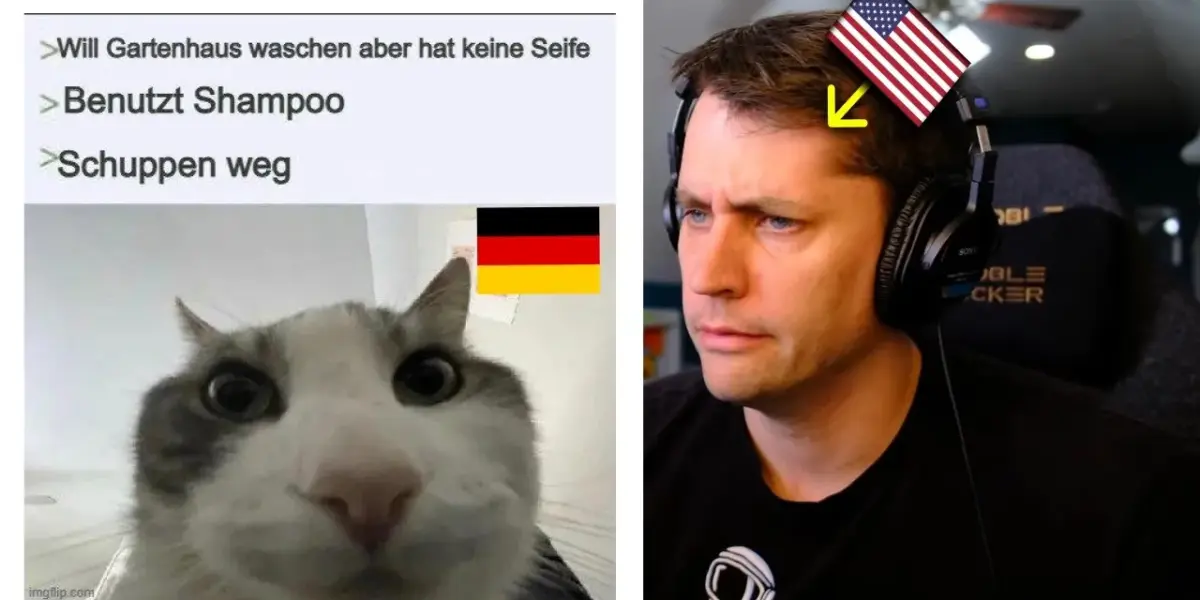
Linguistic oddities also provide fertile ground for humor. The word “schupin” in German can mean both “dandruff” and “barn.” This linguistic overlap leads to funny, if confusing, scenarios. Imagine trying to explain you have dandruff in your barn, or vice versa.
Observational Comedy Meets Cultural Differences
Some memes focus on situations that might feel familiar but are presented with a German twist. A joke about a divorced man over 40 appearing in a developing country to find a partner highlights a specific social dynamic. Similarly, the idea of ordering a mail-order bride is presented as a starkly pragmatic, almost catalog-like, transaction in America.
The feeling of seeing a massive weather front approach on a radar is captured in a meme that humorously downplays it to a mere drizzle. This reflects a tendency to perhaps undersell or accept the inevitable, even when it’s dramatic.
Innovation Born from Frustration?
One meme proposes a product idea: an LED sign that displays real-time weather radar for your home. While presented as a joke, it taps into a desire for hyper-local, personalized information. The creator humorously acknowledges potential privacy concerns and subscription fees, a nod to modern tech trends.
This idea, while perhaps impractical, speaks to how people cope with the unpredictable. It’s a creative outlet for dealing with everyday information overload and the anxieties that come with it. It’s a funny concept, but it also makes you think about how we consume data.
The Inflation Game
A series of memes tackles rising prices with escalating absurdity. First, gas prices go up, leading to an electric car purchase. Then, electricity prices rise, prompting a move to a “calorie-powered bicycle.” The final punchline is food prices increasing due to inflation, which is compared to failing an exam by getting all the answers wrong.
This chain reaction humorously illustrates the feeling of being caught in a cycle of rising costs. It highlights how inflation can feel like a nonsensical, inescapable force. The comparison to a failed exam is a clever way to show how the explanation for rising prices can feel as baffling as the problem itself.
Everyday Annoyances and German Drivers
The common frustration with drivers yielding the right of way is a recurring theme. While often intended as politeness, it can disrupt traffic flow and cause annoyance. The meme captures the sentiment: “Just follow the rules, please.”
Another relatable scenario is the line at a gas station at 4:00 AM to buy beer. This points to specific cultural habits and the sometimes mundane realities of late-night convenience runs.
A Different Kind of Music Scene
German meme culture also touches on music preferences. Medieval, pirate, and Viking folk metal are humorously described as “pop music for people in black t-shirts.” This playfully stereotypes subcultures and their associated music genres.
The idea of attending a local band at a medieval market and enjoying mead is presented as a very specific, almost niche, cultural experience. It suggests a fondness for historical themes and a certain kind of rustic revelry.
Childhood Fantasies and Practicalities
Memes about children running away from home often feature a peculiar contraption for carrying belongings. This device, often a stick with a bag attached, seems impractical but resonates with a childhood imagination. The humor comes from the shared, albeit unspoken, understanding that this is a fantasy item.
The meme suggests that German children, like others, likely dreamed of such escapes. It touches on the universal theme of wanting adventure, even if the tools for it are comically inefficient. The analysis of whether the contraption makes any practical sense is a funny, self-aware moment.
The German Approach to Consumption and Disposal
Humor is found in how Germans might handle unwanted items. A meme about a free trap being given away because people are too lazy to dispose of it points to a less-than-ideal approach to waste. Another joke implies that searching for an item in a warehouse might involve a brief nap for the employee.
These scenarios, while exaggerated, play on stereotypes about efficiency and perhaps a certain laid-back attitude when it comes to minor tasks. They suggest that even in a culture known for order, there’s room for relatable laziness.
The Body’s Betrayal
A meme describes the body’s tendency to get sick after a period of rest, like sleeping in after a stressful week. This is humorously framed as the body seizing an opportunity to fall ill. It’s a common experience that’s often met with bewildered frustration.
This speaks to the often-unseen battles our bodies fight and how they can react in unexpected ways. The idea that rest itself can trigger illness is a funny, albeit slightly grim, observation about our physical selves.
Food and Packaging Quirks
Cubed meat, like cubed pepperoni on pizza, is a subject of amusement. The idea that this might be a cost-saving measure, using compressed scraps, adds a layer of dark humor. It questions the origin and quality of processed foods.
The “downtown starter pack” meme showcases specific trends, like oversized bike tires, pants with dog patterns, and certain energy drinks. It’s a lighthearted jab at particular styles and consumer choices.
The Nuances of Dining and Language
Ordering appetizers in a restaurant is analyzed for its potential meanings: is it about sharing, delaying the main course, or simply excitement for food? The meme suggests a potential cultural difference in how this common practice is perceived, particularly in Germany.
The joke about “Anglo-Saxon thieves” charging for content, presented as rap music, mocks the perceived commercialization and style of English-language online creators. It’s a commentary on cultural exports and their reception.
Practicalities of Public Services and Online Life
The cost of public toilets, even with a voucher, is a point of humor. The meme suggests that even when seemingly free, there are hidden costs or inconveniences. It highlights how even basic services can become complicated.
The frustrations of online platforms are also touched upon. A bug preventing users from posting leads to moderators posting announcements, creating a meta-commentary on the system itself. The confusion over why a moderator post might mention “gays online” adds a layer of absurdity.
The 12-Year-Old Consumer and Time Theft
A meme describes a stereotype of 12-year-olds buying multiple energy drinks after school, with an early bedtime. This paints a picture of youthful energy and consumer habits.
The German criminal code is humorously invoked in a scenario about theft. The defense that there was no intent to “appropriate” the item highlights a legal technicality, making the situation funny rather than serious.
The Burden of Existence
The analogy of chores and responsibilities as pots on a chair, hindering comfortable existence, is a relatable depiction of modern life’s pressures. It’s amazing how much effort it takes just to live.
Finally, a meme about buying large chickens for a low price, with conditions like wearing a funny hat and Christmas music, satirizes marketing tactics. It shows how even simple transactions can be made to feel like a special, almost absurd, event.
Why This Matters
These German memes offer a window into cultural perspectives, linguistic peculiarities, and shared frustrations. They show that humor is a universal language, even when it’s delivered with a distinctly German accent. By observing what makes people laugh, we can understand their values, their daily struggles, and their unique ways of seeing the world.
Implications and Future Outlook
The rise of meme culture globally means that these localized forms of humor can reach a wider audience. This can foster greater understanding and appreciation of different cultures. As digital communication evolves, expect to see even more nuanced and specific forms of humor emerge, reflecting the complex realities of modern life in various countries.
Historical Context
Humor has always been a way for societies to process difficult topics and express common experiences. From ancient satire to modern memes, the underlying function remains the same: to connect, to critique, and to find levity in the everyday. German humor, often stereotyped as serious, is shown here to be as varied and insightful as any other.
Source: Reacting to the FUNNIEST GERMAN MEMES [#142] (YouTube)

Related Articles

American Ignorance on Display Online
Americans online are showcasing a surprising lack of global awareness and a tendency to make inaccurate, boastful claims. From questioning walkable cities to misunderstanding international law, these posts reveal a disconnect from reality. The video highlights a need for greater global understanding and critical thinking.


YouTube’s Darkest Moments: Videos That Sparked Outrage
From cheating scandals and cruel pranks to deeply disturbing content, some YouTube videos have sparked massive outrage and become infamous. This article looks back at the most offensive videos that caused scandals and impacted creators' careers.

Beyond the Laughs: German Memes Reveal Cultural Quirks
A humorous dive into German internet memes reveals cultural insights on everything from car reliability and linguistic quirks to economic realities and everyday anxieties. These digital jokes offer a unique window into the German psyche.