German Humor Baffles Americans: A Culture Clash
German memes, often filled with specific cultural references and wordplay, leave an American creator utterly baffled. This humorous confusion reveals deep cultural divides in humor and everyday life. The video explores everything from oil price jokes and political commentary to the death of custom ringtones and the anxieties of modern smartphone use. It highlights how AI is now capable of understanding complex, culturally specific humor, raising questions about the future of content creation.

German Humor Baffles Americans: A Culture Clash
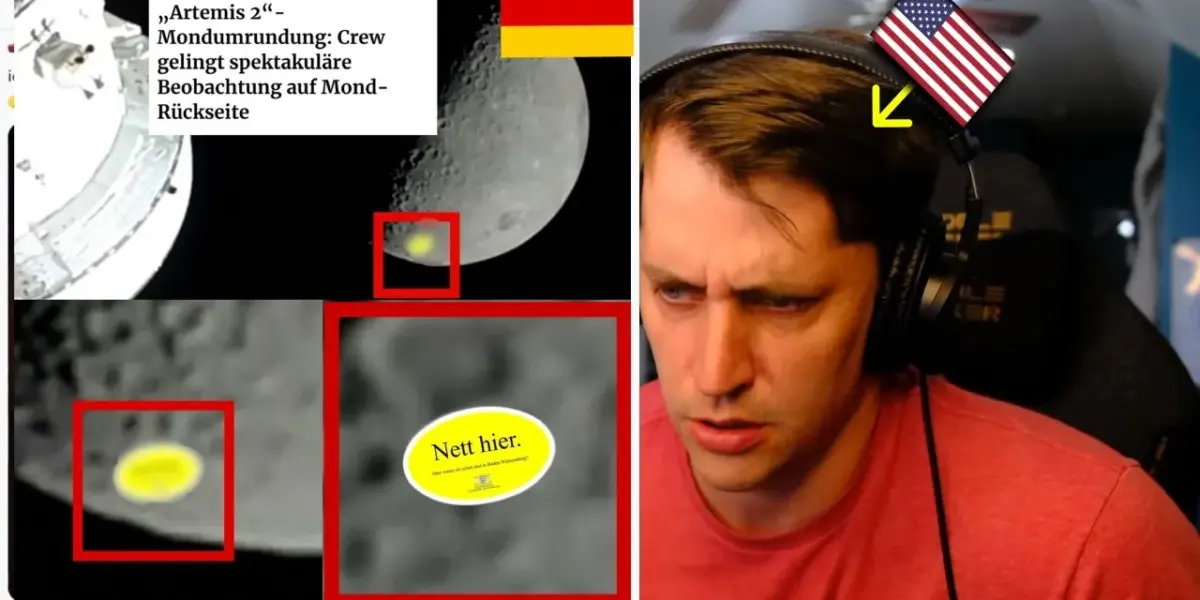
Imagine scrolling through social media and seeing a meme that makes absolutely no sense. That’s exactly what happened when a German YouTuber shared a collection of German memes with his American audience. The result? Utter confusion, a hilarious look at cultural differences, and a surprising insight into how we see the world.
When Stickers Cause Confusion
The video starts with a meme about “Ben Wutenberg” stickers that appear everywhere in Germany. The American creator, who is on holiday in Japan, assumes it’s some kind of tourism campaign. But the real confusion hits when a sticker referencing “oil prices drop” is placed on a gas station. The sticker reads, “This is worthless here.” The translation is a bit off, making it hard to understand the joke. It seems to be about the confusing fluctuations in oil prices, perhaps referencing a brief dip that didn’t really change much in the long run. Looking at a short-term chart might show a drop, but zooming out reveals prices haven’t really gone down significantly.
Politics and Pocket Money
Another meme touches on politics, with a comment questioning if all of Donald Trump’s actions in office actually benefited large corporations and shareholders. The response suggests that perhaps only his close associates got richer, implying the commenter is giving Trump too much credit for deliberate economic policy. This hints at a deeper debate about who truly benefits from political decisions.
The Death of Custom Ringtones
A more nostalgic meme laments the change in ringtone culture. The video creator remembers a time when you could easily upload any MP3 file to a flip phone for a custom ringtone. Then, with the rise of iPhones, it became difficult and often expensive to get custom ringtones without buying them or jailbreaking the phone. Many Europeans use Android phones, which still allow for more customization. This shift from personal expression to curated, paid content is seen as a sad loss by some.
The Overload of Constant Connection
Several memes focus on the impact of smartphones and constant internet access. One meme suggests that cell phones are to blame for our problems, echoing a sentiment that has been around for years. The creator agrees, feeling that while the internet itself was great, having unlimited access anytime, anywhere, has become overwhelming. The idea of going back to a time with a family computer, where you had to share and wait your turn, is presented as a more balanced approach to technology.
EBay, Anxiety, and Big City Life
A meme about meeting someone to pick up an item from eBay in Germany highlights cultural differences. In Germany, eBay is more like Craigslist, a place for local exchanges. The meme, with a mistranslation, initially seems to be about general nervousness. The corrected version reveals it’s about the specific anxiety of meeting a stranger at a certain time. Another meme contrasts this with the perceived ease of living in a big city where everything is within walking distance, a concept considered rare in America. It also touches on the common American experience of a parent suddenly remembering a child needs something for school the next day.
Family Gatherings and German Inquiries
The video explores the feeling of being the only one who has moved away and attends family gatherings. The questions asked by family members – about big city life, expenses, and even the presence of immigrants – reflect common stereotypes and curiosities. The meme about Germans asking important questions, like inquiring about drag queens, is seen as a humorous take on directness. The idea that simply moving to a city gives you clout back home is also a relatable observation.
Speed Limits and Practicality
German memes also touch on everyday life. One shows a sprinter van speeding to a taxi rank, with the driver being 10 km/h over the speed limit. This pokes fun at the German tendency to adhere to rules, but also the common human desire to push boundaries, especially when in a hurry. Another meme humorously points out the struggle to remember the correct size of garbage bags, suggesting it’s a lifelong challenge. The joke about women needing to become astronauts to get pants with decent pockets is a witty commentary on fashion and practicality.
The Nuances of Time and Holidays
A meme about returning to work on a Tuesday after being there on Thursday, referencing a long Easter weekend, highlights the confusion around days off. The German words for yesterday, Tuesday, and Thursday are explained to clarify the joke. Another meme shows a package tracking update that hasn’t changed, a universally frustrating experience. The comparison of Calvin Klein to Celsius Gross entering a room is a bit obscure, possibly a reference to specific German cultural touchstones that are lost in translation.
Cycling, Weight, and Bells
A meme about road cyclists is particularly interesting. It contrasts the obsessive focus on shaving off a few kilograms from a bike with the casual acceptance of gaining weight over winter. The joke is that cyclists might debate adding a lightweight bell that weighs only 100 grams, but then ignore the significant weight gain from overeating during colder months. This points to a specific kind of dedication and perhaps hypocrisy within the cycling community.
AI and Understanding Memes
The video creator expresses amazement at how well AI can now understand complex jokes, even wordplay. He uses an example of AI correctly identifying a meme about a specific parking lot from a Dutch comedy series called “New Kids.” This leads to a reflection on AI’s growing capabilities and its potential impact on human creativity. Another AI-assisted meme interpretation involves the subtle social anxiety of seeing a hallway light turn on in a German apartment building, indicating a neighbor is present, which might cause someone to delay leaving to avoid an awkward encounter.
Universal Truths and German Specifics
Some memes touch on universal experiences, like the struggle to find the right volume for sleeping – too quiet or too loud. Others highlight specific German habits, like the local mafia selling donor kebabs for a high price, or the frustration when a supermarket is closed for an extra day. The meme about a three-year-old confessing to pooping in their pants is presented as a relatable, albeit embarrassing, childhood moment.
The Power of AI and Cultural Context
The creator repeatedly marvels at AI’s ability to decipher these German memes, even suggesting that AI could create better reaction videos. This raises questions about the future of content creation and whether human commentary will become obsolete. However, the underlying humor often relies on specific cultural contexts, like the German emergency lane being reserved for official vehicles, not mopeds with noisy attachments, or the practice of naming the closest major city when talking about one’s hometown to outsiders.
Why This Matters
This collection of memes and the creator’s reactions highlight the fascinating ways humor is shaped by culture. What seems nonsensical to an outsider often has deep roots in shared experiences, historical events, or specific social norms. The confusion itself becomes a source of entertainment, bridging cultural divides through shared bewilderment. It shows how memes, while seemingly trivial, can offer a window into a society’s concerns, values, and everyday life. The increasing role of AI in understanding and even generating such content also signals a significant shift in how we consume and create digital media.
Implications and Future Outlook
As global communication becomes more instant and widespread, understanding these cross-cultural nuances in humor will become increasingly important. It’s not just about laughing at jokes, but about understanding the context behind them. AI’s role in deciphering these cultural codes is a double-edged sword: it can help bridge gaps but also potentially homogenize cultural expression if relied upon too heavily. The future likely holds more AI-assisted content, but the human element of shared experience and cultural understanding will remain vital for true connection.
Historical Context
The evolution of meme culture mirrors the evolution of communication itself. From early internet forums to the visual language of platforms like Instagram and TikTok, memes have become a primary way people express ideas and build communities online. The specific references in these German memes – from political commentary and consumer habits to everyday annoyances – reflect contemporary German society, just as American memes reflect theirs. The underlying themes, however, like the impact of technology, the quirks of daily life, and the frustrations of bureaucracy, are often universal.
Source: GERMAN MEMES CONFUSE SILLY AMERICAN [#145] (YouTube)

Related Articles


Bittensor Plunges 20% on Centralization Accusations
Bittensor's TAO token experienced a sharp 20% price drop, falling from $330 to $265, after Covenant AI exited the network. The AI entity accused Bittensor of centralization, sparking investor panic. This event highlights the importance of decentralization in the crypto space and prompts a re-evaluation of TAO's long-term viability.

Magnificent 7 Stocks Still Lead: CIO Sees Value
The "Magnificent 7" tech stocks remain market leaders, fueled by AI investments and strong earnings. CIO Chris sees current valuations as opportunities, especially for Meta and Google, despite potential economic bumps. High profit margins suggest market resilience.


BlackBerry Stock Surges 21% Amid AI Race
BlackBerry's stock has surged 21% in a year, outperforming rivals, as its CEO calls AI a "once in a generation" event. The company's focus on safety-critical systems in automotive and government sectors provides a buffer against AI-driven market disruptions. Strong financial results and high-level certifications underpin its resilience.