German Chancellor Visits China Amid Trade Tensions
German Chancellor Friedrich Matz is on an official visit to China, seeking to reset bilateral ties amidst escalating industrial competition and geopolitical tensions. The trip balances Germany's economic reliance on China with concerns over trade imbalances and China's stance on the Ukraine war.

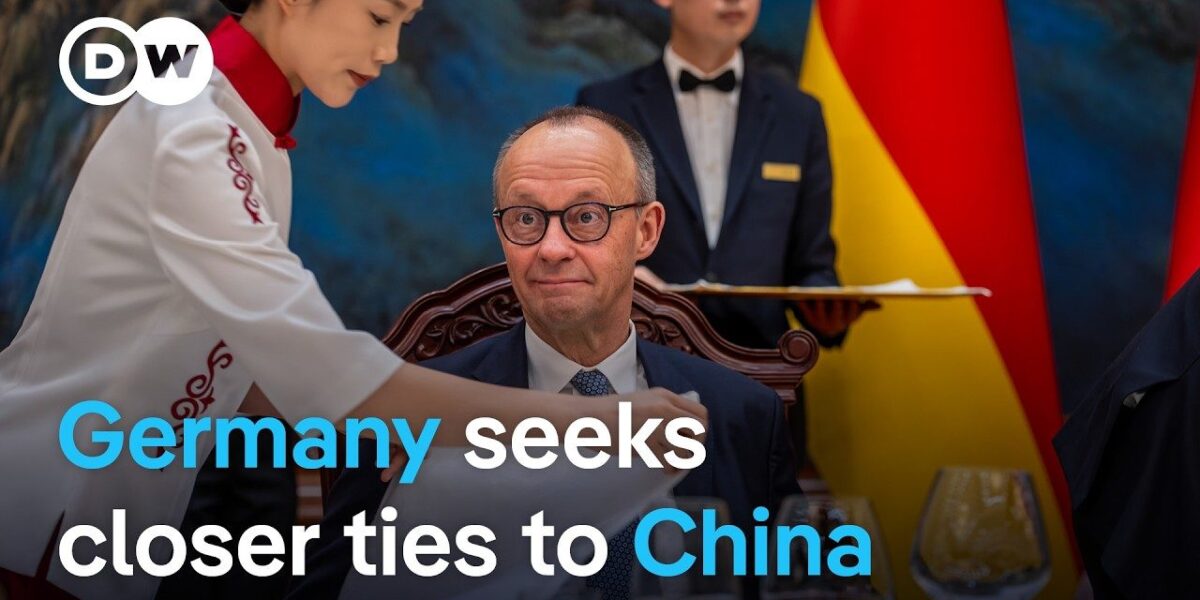
Chancellor Scholz Embarks on Key China Visit to Reset Ties
German Chancellor Friedrich Matz has arrived in Beijing for his inaugural visit since assuming office, becoming the latest Western leader to seek a recalibration of relations with China. The trip, occurring during China’s auspicious Lunar New Year festivities, underscores the complex balancing act Germany faces in navigating its crucial economic partnership with Beijing while addressing growing geopolitical concerns and intense industrial competition.
Balancing Economic Interests and Geopolitical Concerns
Chancellor Matz’s delegation includes a significant business contingent, highlighting the primary focus on strengthening economic cooperation. This visit aims to establish a hedge against rising global trade protectionism and tariffs, a sentiment echoed by Chinese Premier Li Qiang, who expressed anticipation for increased practical cooperation with Germany. However, the economic agenda is intertwined with significant foreign policy objectives. Matz is expected to press Chinese President Xi Jinping to exert greater pressure on Russia to end the conflict in Ukraine, though expectations for immediate success are tempered.
The interdependence of foreign, economic, and defense policies was a central theme articulated by Matz prior to his departure. “Foreign policy and economic policy belong together just as much as defense policy and domestic policy. We can no longer separate them today,” he stated, emphasizing the need for a comprehensive discussion on future cooperation between Europe, Germany, and China.
Navigating a Shifting Global Landscape
Matz’s visit follows a series of high-profile engagements by other world leaders in Beijing, including those from Britain, Canada, and South Korea, all keen to secure business deals amidst ongoing trade disputes. This global trend reflects a broader effort by nations to stabilize economic ties and adapt to evolving geopolitical dynamics. However, Germany faces the delicate challenge of strengthening its relationship with China without alienating its key ally, the United States. Recent threats of substantial tariffs from the U.S. underscore the potential for transatlantic friction over China policy, despite recent legal challenges to some U.S. tariffs.
The ‘China Shock’: German Industry Under Pressure
Domestically, Chancellor Matz is contending with increasing warnings from German politicians and business leaders regarding intensifying industrial competition from China. China’s rapid advancement in key technologies and its emergence as a sophisticated global manufacturer pose a significant challenge to Germany’s export-reliant economy. Last year, China recorded a trade surplus exceeding one trillion dollars, while German exports to China saw a decline of over 9% in 2025. Notably, German car exports to China have plummeted by a staggering two-thirds since 2022, illustrating the growing pressure on a cornerstone of the German economy.
“I think what Germany really needs to do is talk less about China and do more,” remarked one observer, suggesting a preference for behind-the-scenes, firm negotiations rather than public criticism. This approach aims to balance the imperative to protect vulnerable German industries from what is perceived as unfairly priced Chinese goods with the necessity of repairing strained bilateral ties.
Key Meeting with President Xi Jinping
The Chancellor’s meeting with President Xi Jinping is a focal point of the visit. Xi, positioning China as a stable partner in a multipolar world order, is keen to maintain access to crucial European markets, especially as China’s domestic demand slows and reliance on exports increases. Germany and Europe represent significant markets for Chinese goods, making the stability of this relationship a priority for Beijing.
During discussions, Matz is expected to raise concerns about the substantial trade deficit, the diminishing market share of German brands in China, and the increasing competitiveness of Chinese brands in third-country markets. German manufacturers, some of whom are part of Matz’s delegation, are reportedly concerned about job losses attributed to what they describe as unfair Chinese trade practices, including state subsidies.
Geopolitical Nuances and Strategic Considerations
Beyond economic matters, the visit provides an opportunity to address sensitive geopolitical issues. While direct public confrontation is unlikely, Matz may leverage the interconnectedness of economic and foreign policy to convey Germany’s concerns. This could involve framing China’s continued support for Russia, through oil and gas purchases and the supply of dual-use materials, as an economic issue with direct security implications for Europe. Similarly, China’s assertive actions in the South China Sea and around Taiwan could be presented as threats to the global economy and critical tech supply chains, offering a framework for addressing these concerns.
Evolving Economic Interdependence
The economic relationship between Germany and China has undergone a significant transformation. Historically, Germany was a major exporter to China, with Chinese industries relying on German machinery and expertise. However, this dynamic has reversed, with China now exporting substantially more to Germany. This shift has created economic vulnerabilities within Germany’s manufacturing sector.
Despite the changing landscape, a degree of mutual dependence remains. China still relies on German imports for certain materials and chemicals, while Germany depends on China for essential rare earth materials crucial for its automotive and technology sectors. This interdependence provides both nations with leverage in trade and economic negotiations.
Looking Ahead
Chancellor Matz’s visit to China marks a critical juncture in German-Sino relations. The success of this trip will be measured not only by the immediate economic outcomes but also by Germany’s ability to navigate the complex interplay of trade, geopolitical strategy, and international alliances. Future developments will likely focus on the implementation of any agreements reached, the ongoing monitoring of trade practices, and Germany’s continued efforts to foster a more balanced and fair economic partnership with Beijing, all while managing its relationship with the United States and addressing the war in Ukraine.
Source: 'Talks less, do more' – The challenges of Merz's visit to China | DW News (YouTube)

Related Articles

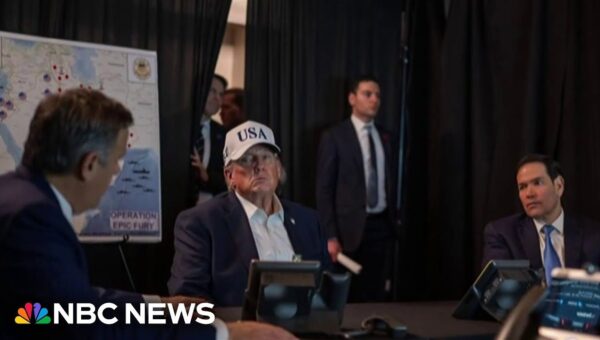
Trump: Iran Strikes Ahead of Schedule, Expects ‘Great Deal for World’
Three U.S. service members have been killed amid escalating conflict with Iran, President Trump confirmed. He stated that strikes are ahead of schedule, with senior Iranian leaders killed, and expressed optimism for a "great deal for the world" despite ongoing talks with Iranian officials.

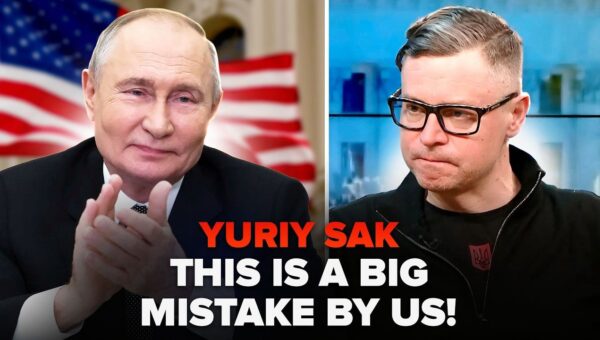
Trump’s Putin Stance: US Strategy and Global Implications
Analysis suggests Donald Trump's approach to the Ukraine war involves pressuring Kyiv, but US involvement is crucial for resolution. China's influence and the 'MAGA' agenda's geopolitical implications are key factors.


US Strikes Iran: Mounk and Fukuyama Discuss Unpredictable Conflict
Leading political scientists Yascha Mounk and Francis Fukuyama analyze the recent US strikes on Iran, warning of unpredictable outcomes and internal instability. They question the objectives of the "war of choice" and its potential to destabilize the region, while also discussing the shifting global perceptions of Israel.