German Chancellor Seeks Fairer Trade Amid Shifting China Ties
German Chancellor Olaf Scholz concluded a significant visit to China, aiming to reset economic and diplomatic ties. While seeking cooperation, Scholz also pressed Beijing on unfair trade practices amid a shifting global economic landscape. The trip highlighted Germany's challenge in balancing its need for business with China's competitive industrial strategy.

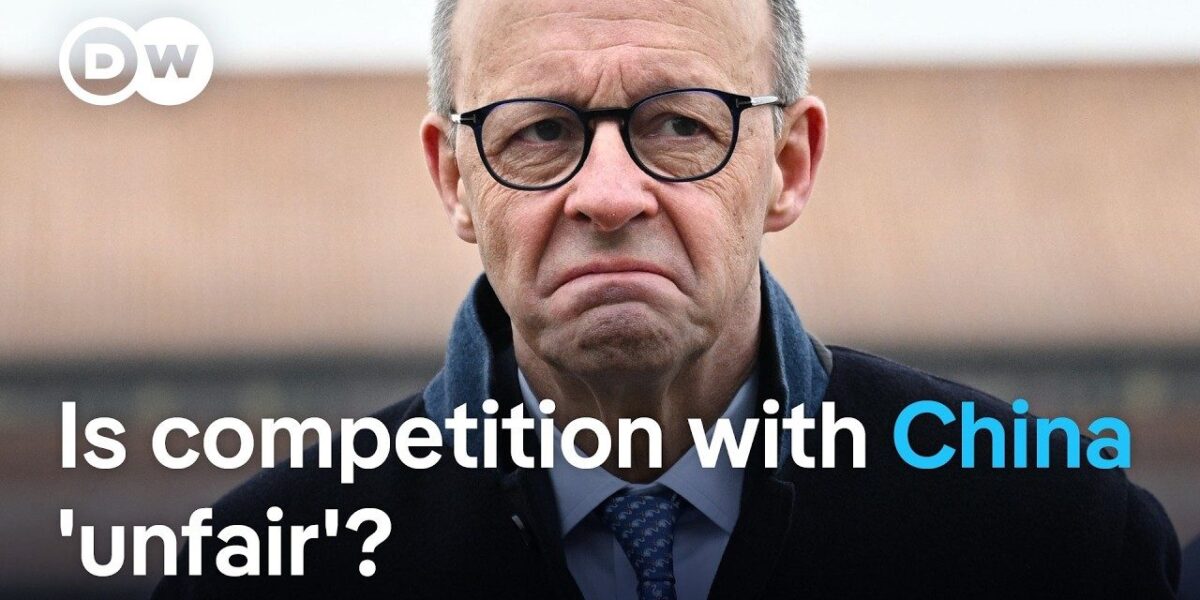
Chancellor Scholz Tours Beijing’s Forbidden City, Eyes Reset with China
German Chancellor Olaf Scholz concluded his official visit to China on the final day by touring the historic Forbidden City in Beijing, a symbolic move aimed at recalibrating the long-standing diplomatic and business relationship between Germany and the People’s Republic. The visit, which included meetings in the commercial hub of Hangu and prior talks with President Xi Jinping, underscored Germany’s objective to bolster economic ties amidst global economic uncertainty, partly attributed to fluctuating trade policies from Washington.
Balancing Cooperation and Competition in a New Economic Era
Chancellor Scholz’s agenda in China was marked by a dual approach: advocating for closer cooperation while simultaneously addressing concerns over what he termed Beijing’s unfair trade practices. This delicate balancing act reflects a significant shift in the economic landscape between the two nations. For decades, Germany enjoyed a robust export market in China for high-end machinery and vehicles, while sourcing raw materials and less sophisticated manufactured goods. However, this dynamic has fundamentally changed.
“The problem is that economic balance has already changed… the question is how is Germany going to respond to it.”
China has rapidly advanced its manufacturing capabilities, now competing directly with Germany in sectors it once exclusively relied on German imports for. This was highlighted by the significant drop in sales for premium German brands like Porsche, which saw annual sales decline by 25% in China over the past two years, indicating a reduced appetite for high-end foreign goods amidst China’s own economic challenges.
Innovation Hubs and Germany’s Place in China’s Future
The latter part of Scholz’s trip focused on Hangu, a recognized center for innovation and technology. His visits to companies like DeepSeek, aiming to disrupt the AI sector, and Unitree, showcasing advanced humanoid robotics, signaled Germany’s desire to be an active participant in China’s burgeoning innovation ecosystem. The presence of German firms such as Siemens Energy further emphasized the ongoing, albeit evolving, economic interdependence.
Navigating Trade Tensions and Geopolitical Complexities
The core challenge for Chancellor Scholz lies in translating the declared “strategic partnership” into tangible outcomes, while mitigating obstacles stemming from trade disputes, market access limitations in China, and geopolitical issues like the war in Ukraine. Germany’s message to Beijing is clear: Europe remains open for business, but insists on fairer trade terms and greater market access, long-standing demands that previous German leaders have also raised.
The current economic climate has intensified these issues. China’s reduced capacity to export goods to the United States, a market Scholz is set to visit next, adds another layer of complexity. Discussions with President Xi Jinping also touched upon strategic matters, including Taiwan. Germany, like the United States, adheres to a “One China” policy but emphasizes that any reunification must be achieved peacefully and with the consent of the Taiwanese people, a scenario that currently appears distant.
Germany’s Economic Imperative and China’s Strategic Priorities
The need for Chancellor Scholz to rebalance Germany’s economic relationship with China is acute. Germany’s economy has faced stagnation, with minimal growth in the past year, making continued business engagement and access to essential resources like rare earth metals crucial. However, China’s own economic strategy, focused on internal stability, job creation, and rapid growth in key sectors like advanced manufacturing, renewable energy, and infrastructure, often leads to overcapacity. This overcapacity is increasingly finding its way into global markets, intensifying competition with Germany and other Western nations in third countries.
“China does not allow the kind of market access that many Western companies want, even though it seeks out access in other economies.”
Experts note that China rarely alters its course in response to external complaints regarding its industrial practices. The emphasis on state-supported growth, subsidies, and currency management, while beneficial for China’s internal objectives, creates significant trade imbalances and competitive disadvantages for foreign firms. The challenge for Germany, therefore, is to advocate for a more equitable economic playing field while simultaneously securing the business opportunities vital for its own economic recovery.
Looking Ahead: Joint Consultations and Future Relations
The immediate next step following Chancellor Scholz’s visit will be joint government consultations, where both cabinets will convene in China. These dialogues, a recurring feature of the bilateral relationship, are set to resume, offering a platform to further discuss and potentially address the complex issues raised during the visit. The future trajectory of German-Chinese relations will hinge on whether these consultations can yield concrete progress on trade fairness and market access, amidst the backdrop of evolving global economic and geopolitical dynamics.
Source: What did Merz actually achieve in China? | DW News (YouTube)

Related Articles
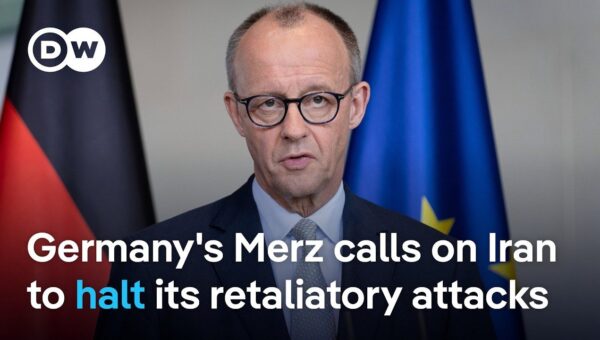
Germany on US-Israel Strikes: No “Lecturing” Partners
Germany's Chancellor Scholz calls on Iran to end its attacks and nuclear program but refrains from "lecturing" US-Israel on international law regarding recent strikes. Berlin increases security for Jewish institutions amid fears of retaliation.


Germany’s Fake Laws: AI Disinformation Campaign Exposed
Viral AI-generated videos falsely claim Germany has enacted absurd laws, including fines for flushing toilet paper. Experts reveal a disinformation campaign aiming to portray Germany as chaotic, with potential commercial or political motives behind the fabricated content.
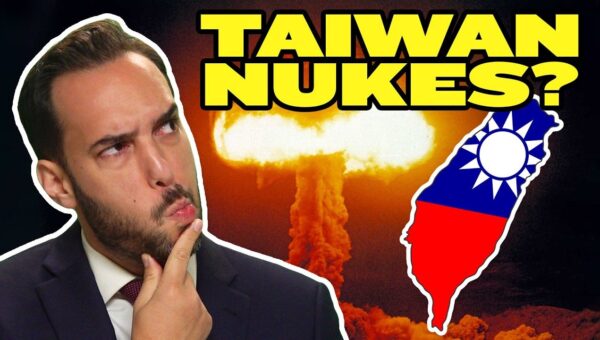
Taiwan’s Nuclear Dilemma: Deterrence or Disaster?
As China expands its nuclear arsenal and military presence, the question of whether Taiwan should possess nuclear weapons or host U.S. nuclear arms gains urgency. The debate weighs the potential for deterrence against the risks of escalation, drawing parallels to Ukraine's disarmament and Taiwan's own past nuclear ambitions.