German Chancellor Links Violence Against Women to Migration
German Chancellor Friedrich Merz has sparked controversy by linking an increase in violence against women to migration. Official figures show a rise in domestic and digital violence, with non-Germans overrepresented as suspects, though critics argue this oversimplifies the issue and ignores the majority of German perpetrators.

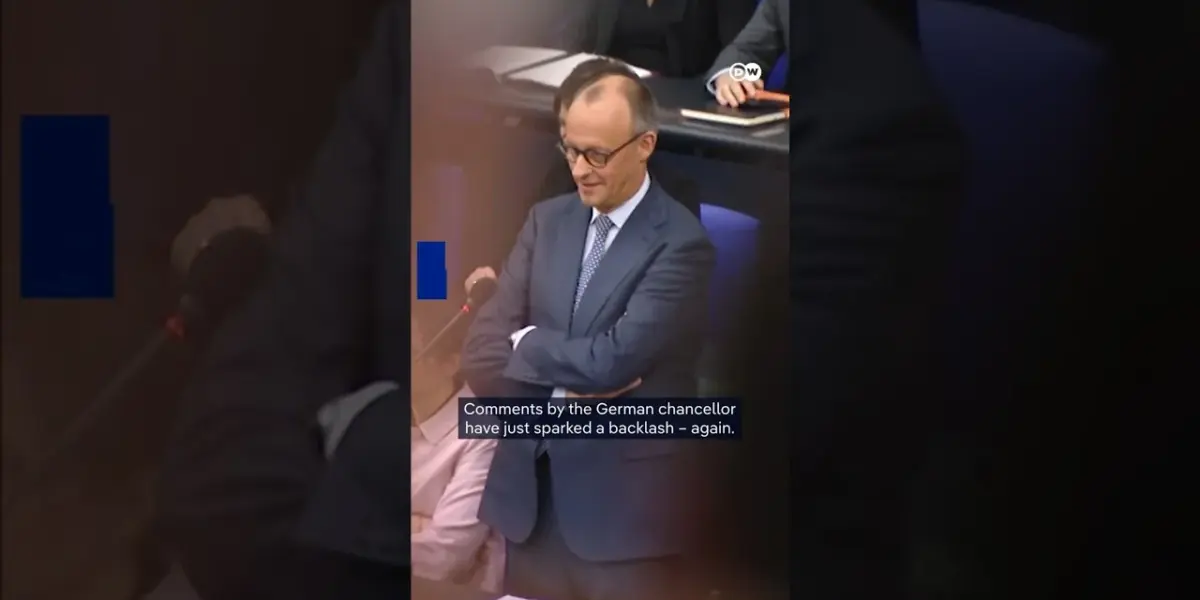
German Chancellor Friedrich Merz Links Rising Violence Against Women to Migration
Berlin, Germany – German Chancellor Friedrich Merz has ignited a significant debate by linking a surge in violence, particularly against women, to migration. His remarks, made during a recent public address, have drawn sharp criticism from various groups who argue that his statement oversimplifies a complex issue and unfairly targets immigrants.
Merz’s Statement and Public Reaction
During a speech, Merz stated, “We have exploding violence in our society, both in the analog and digital space, and we must tackle this together. We must also address that a considerable part of this violence comes from immigrant groups into the Federal Republic of Germany.” This statement was made in the context of discussing a high-profile case involving a German TV presenter who accused her ex-husband of identity theft and creating disturbing deep fakes.
The presenter, Collen Fernandez, took her case to Spain, where the couple resides, after facing challenges with digital violence laws in Germany. Merz’s comments are seen by many as his first direct address to the Fernandez case, and his reaction has left many disappointed. Critics argue that focusing on migration distracts from the root causes of violence against women.
Official Figures on Domestic and Digital Violence
Latest figures from Germany’s Federal Criminal Police Office (BKA) reveal a disturbing trend: domestic violence against women has reached a record high. Similarly, digital violence targeting women and girls is also on the rise. While the BKA statistics do not specify the nationality of perpetrators, they indicate that non-Germans are disproportionately represented among suspects.
However, it is crucial to note that these figures represent reported incidents. Campaigners warn that the actual numbers could be significantly higher, with many cases going unreported. This suggests that the official statistics might only show the tip of a much larger problem.
Critics Argue Against Migration Focus
Many experts and activists believe that attributing the rise in violence primarily to migration is a misrepresentation of the facts. “Since 2015, it has fluctuated a bit, but the number of perpetrators with a German passport makes up 65 to 70%,” stated one critic, highlighting that the majority of offenders have German nationality. This perspective directly challenges Merz’s assertion.
“I find it very strange that immediately with one word, the problem is reduced to immigration or migration or flight background,” commented another critic. “That does not do justice to the matter at all.” This viewpoint suggests that Merz’s statement unfairly shifts blame and avoids addressing the broader societal issues contributing to violence against women.
Broader Implications and Societal Issues
The debate sparked by Merz’s comments goes beyond simple statistics. It touches upon how society discusses crime, the role of immigration, and the effectiveness of current measures to combat violence. Critics argue that framing violence as a problem caused by outsiders allows the status quo to continue without necessary changes.
“What is happening here, this discussion, it shifts the problem,” a commentator explained. “It has nothing to do with combating violence against women, but rather it is a reference to the ‘other’ or ‘others,’ as far away from Germany as possible. This naturally legitimizes continuing to do nothing, as we have known for years.” This suggests that such rhetoric can serve as an excuse to avoid implementing effective solutions.
Looking Ahead
The controversy surrounding Chancellor Merz’s remarks is likely to persist. It raises important questions about how Germany confronts rising domestic and digital violence and whether the political discourse will focus on comprehensive solutions or divisive blame. Future discussions will likely involve calls for more detailed data, a deeper understanding of the factors contributing to violence, and a commitment to evidence-based policies that address the issue effectively without scapegoating any particular group.
Source: German Chancellor Merz links 'explosion of violence' against women to migration | DW News (YouTube)

Related Articles


US Tourism Dips: Why Are Germans Turning Away?
German travelers are increasingly avoiding the U.S., citing concerns over political instability, safety, and gun violence. This has led to significant cuts in flights and a drop in demand, impacting the tourism industry. While America's natural beauty is still appreciated, current perceptions of unrest make it an unappealing destination for many.


Germany Faces Reform Crisis Amidst Far-Right Surge
Germany is struggling with political paralysis and deep social divides, fueling the rise of the far-right AfD. Analysts believe reforms are inevitable but difficult to implement due to public resistance and government credibility issues. Economic pressures may force the government's hand, but the path forward remains uncertain.


Wife Shoots Husband During 911 Call, Then Confesses
A Florida man was shot and killed by his wife while on a 911 call reporting a domestic dispute. The wife later confessed to the shooting. The case involved escalating arguments, mental health struggles, and a final, tragic confrontation.