German Auto Industry Faces Crisis: Innovation Lagging, Profits Plummet
Germany's auto industry is grappling with declining profits and a critical lag in innovation, particularly in electric and autonomous vehicle technology. Facing stiff competition from China and rising energy costs, experts warn that a strategic overhaul, including a shift to a European-wide industrial policy, is necessary to avoid further market share loss and secure future competitiveness.

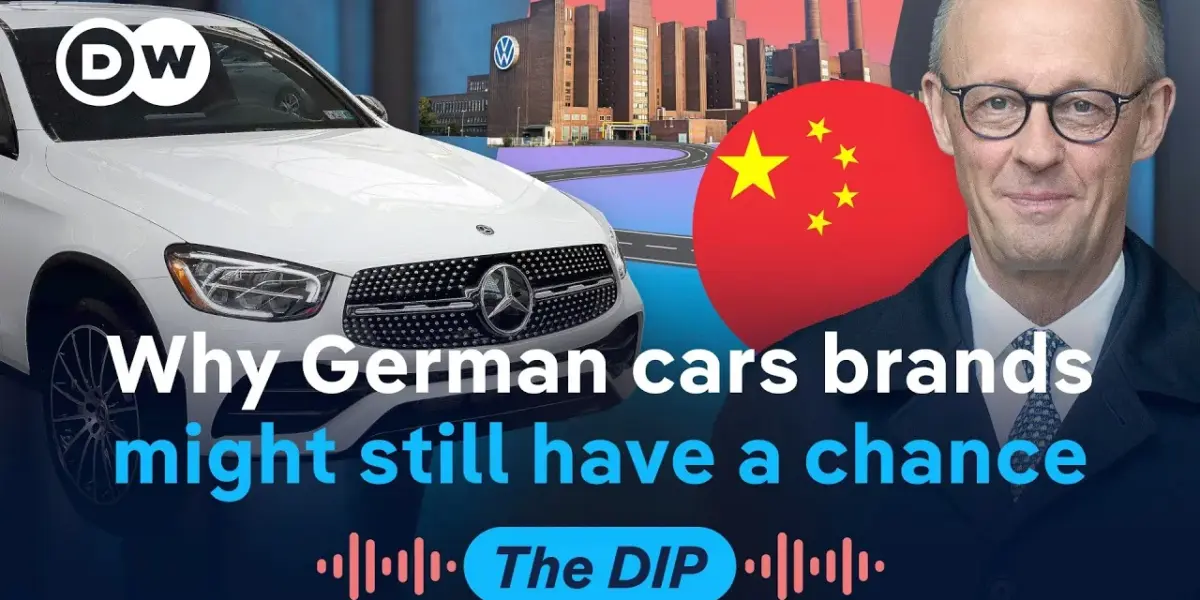
German Auto Industry Struggles Amidst Falling Profits and Innovation Gap
Germany’s once-dominant auto sector is facing significant challenges, with major manufacturers like Volkswagen experiencing sharp drops in profits. This downturn, which has been ongoing for several years, is driven by a complex mix of factors including intense competition from China, global economic slowdowns, and a critical lag in adopting new technologies like electric vehicles and autonomous driving. Experts warn that without a major strategic shift, Germany’s industrial powerhouse status is at risk.
Key Challenges Hitting German Automakers
The latest figures paint a stark picture for Germany’s car industry. Volkswagen, Europe’s largest automaker, recently saw its profits cut in half. While still profitable, this decline signals deeper issues beyond short-term economic fluctuations. Tariffs, such as those imposed by the U.S. on German cars, and difficulties in exporting to key markets like China have added to the financial strain. These external pressures create uncertainty and directly impact the bottom lines of these global companies.
“The problem is not so much the cost side as the innovation side. Chinese, American, South Korean companies are moving ahead on electric cars on battery technologies and German car manufacturers are left behind.”
A significant blow came with Porsche’s recent decision to scale back its pure electrification strategy and reintroduce combustion engine models. This costly pivot, a 5 billion euro write-off, highlights the difficult choices manufacturers are making. The broader economic climate in China, a crucial market for luxury brands like Mercedes and Porsche, has also cooled, reducing demand for high-end vehicles.
The Broader German Industrial Slump
The struggles in the automotive sector are not isolated; they are part of a larger decline in Germany’s industrial production, a trend observable since 2019. Marcel Fracher, president of the German Institute for Economic Research, notes that while not all sectors are equally affected, the automotive industry is particularly hard-hit. This prolonged slump raises concerns about the overall health of the German economy, which relies heavily on its industrial output.
Adding to these woes are soaring energy prices. Germany’s heavy reliance on energy imports makes it especially vulnerable to global market fluctuations. The current geopolitical situation, including the crisis in Iran, has further driven up costs, putting German industries at a disadvantage compared to competitors in China and the United States. High energy bills increase production costs, making it harder for German companies to compete on price.
Innovation Lag and Future Competition
Experts point to a critical failure in innovation as the core issue. German carmakers have been too slow to embrace electric vehicles and battery technology, areas where competitors from China, the U.S., and South Korea are rapidly advancing. The next major challenge, autonomous driving, is also expected to be a significant hurdle.
While German automakers are introducing new models and collaborating with Chinese partners to cater to specific market demands, the pace of change is slow. The year 2026 is seen as a crucial test, where new offerings will reveal whether these companies can successfully reposition themselves and regain competitiveness, especially against the backdrop of increasing competition from Chinese brands in their home European market.
Demographic Challenges and Labor Shortages
Beyond industrial strategy, Germany faces significant demographic challenges that impact its labor market. The country is projected to lose 5 million workers over the next decade, a substantial portion of its current workforce. This looming shortage of skilled labor is a major concern for industries trying to adapt and grow.
While some industries are shedding jobs, these workers are needed elsewhere. Experts emphasize the need for immigration to fill the gap. Furthermore, unlocking the full potential of female employment is seen as critical. Germany has a high rate of women working part-time, many of whom would prefer to work more hours. Tapping into this talent pool, alongside skilled immigration, is vital for providing companies with the necessary workforce.
Rethinking Industrial Policy: A European Approach
The discussion also touches upon Germany’s approach to industrial policy, with some suggesting that excessive government ties to big business hinder necessary transformations. The idea is that past subsidies may have propped up struggling industries, preventing natural market adjustments.
However, a purely market-driven approach is also seen as insufficient. The ideal solution lies in finding a balanced middle ground. This involves governments creating favorable conditions through good regulation, infrastructure, and a skilled workforce. Crucially, experts stress that industrial policy must shift from a national focus to a European one. Germany, as a relatively small economy compared to the U.S. or China, needs to foster “European champions” rather than national ones to compete effectively on the global stage. This continental approach is viewed as Germany’s best hope for future industrial success.
What’s Next for German Industry?
The coming years will be critical for Germany’s industrial sector. The ability of its auto manufacturers to innovate and adapt to the electric and autonomous vehicle landscape will determine their future market share. Simultaneously, addressing the skills shortage through immigration and increased female labor participation will be essential for overall economic health. A unified, European-level industrial strategy could provide the framework for German companies to regain their competitive edge and secure their place as a global industrial leader.
Source: Why Germany needs a new industrial strategy | The Dip Podcast (YouTube)

Related Articles


Farmers Need Innovation and Support Now
As planting season begins, American farmers face rising costs and global disruptions. An industry analyst calls for more innovation, investment, and policy support to ensure the future of family farms and food security for all.


Trump Recruits Tech Titans to Lead AI Charge
President Trump has formed a new council of top tech leaders, including CEOs from Meta, Oracle, and Nvidia, to advise on artificial intelligence policy. The group will focus on AI's opportunities and challenges for the American workforce, signaling a major priority for his potential second term.


Apple Co-Founder Wozniak Warns on AI Future
Apple co-founder Steve Wozniak shared concerns about artificial intelligence, emphasizing the importance of human understanding over AI's data processing. He also criticized modern tech business models for eroding user ownership and potentially diminishing essential skills.