German Auto Giants Face Crisis: Profits Plummet Amid Global Shifts
Germany's automotive industry is grappling with its worst profits since 2009, as Volkswagen and Mercedes-Benz report significant earnings drops. Factors like China's economic slowdown, a missed electric vehicle transition, and U.S. tariffs are creating major challenges. However, brands like Audi and BMW show resilience through EV success and diversified production, offering potential pathways forward.

German Auto Industry Suffers Steep Profit Declines
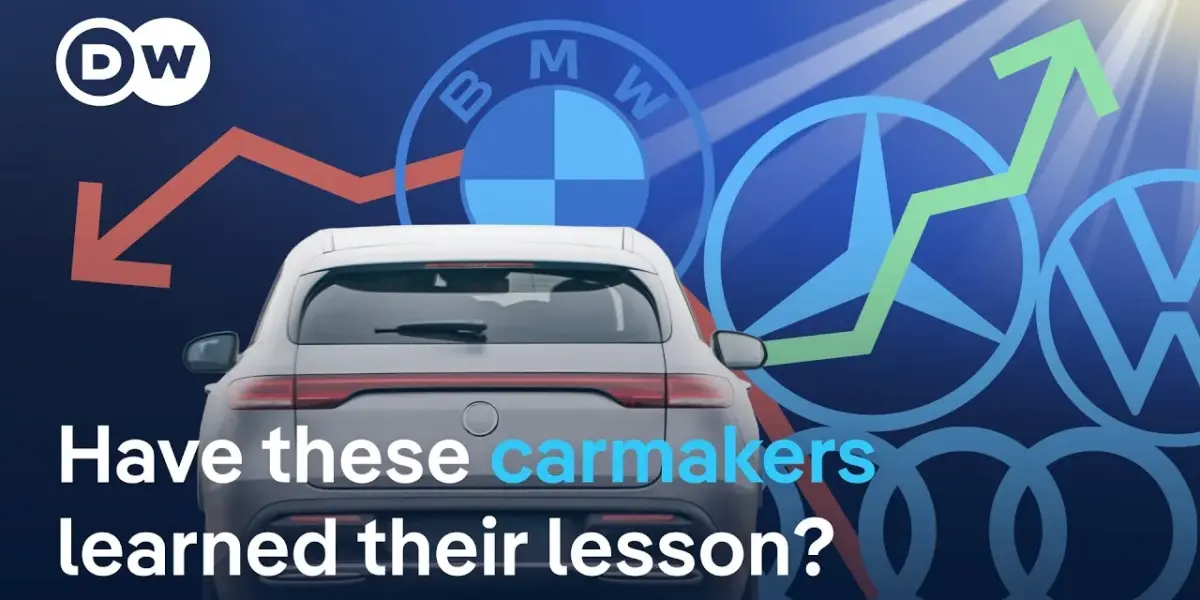
Germany’s once-dominant automotive sector is facing its worst financial period in over a decade, with major automakers reporting drastically reduced profits. Volkswagen Group saw its earnings nearly halve in 2025, dropping to €6.9 billion from €12.4 billion the previous year. This profit level is now comparable to what the company achieved in 2016, despite inflation and overall market growth. Mercedes-Benz also reported a significant downturn, with profits falling by 49% to €5.3 billion in 2025. These financial struggles within the auto industry have serious implications for Germany’s economy, where manufacturing contributes nearly 20% to the gross domestic product – a larger share than in France or the United States. The car industry alone generated €476 billion in turnover in 2024, underscoring its vital role.
China’s Shifting Market and Missed EV Transition
Industry experts point to several key factors behind this crisis, with China emerging as a primary concern. For years, China has been a crucial market for German carmakers, driving significant sales and revenue. However, a combination of factors has led to a downturn. The bursting of China’s property bubble, rising post-pandemic unemployment, and a general reluctance among consumers to spend have dampened demand, particularly in the luxury segment. Simultaneously, China’s own electric vehicle (EV) industry has rapidly matured. German automakers, according to DW business colleague Steven Beardsley, largely missed this crucial transition, failing to develop competitive EVs when Chinese companies began challenging established global players around 2021. This has allowed Chinese brands to gain ground not only in their domestic market but also in global exports, offering increasingly appealing and tech-focused vehicles.
EVs and Tariffs Complicate Global Strategy
The slow adaptation to electric vehicles has been a significant hurdle for German manufacturers. While Chinese EVs are often perceived as innovative and cool, German offerings have struggled to capture consumer interest. This issue is compounded by the rise of Chinese automakers exporting a growing number of vehicles, including traditional combustion engine cars, to markets where European and American brands once faced less competition. Volkswagen, while still a major player globally, now sees three Chinese companies on the top 10 global sales list. Adding to these challenges are U.S. tariffs, which have created a complex and costly environment for German carmakers. Investments in production facilities in countries like Mexico, intended to serve the U.S. market, have been hit by unpredictable tariff policies, leading to substantial revenue losses. Porsche, for instance, faced a €5 billion financial hit from extending combustion engine model production and potential losses of up to €3 billion due to U.S. tariffs.
Bright Spots Emerge: Audi and BMW’s Strategies
Despite the widespread difficulties, some German brands are showing resilience. Audi, a subsidiary of Volkswagen Group, reported a 10% profit increase in 2025, setting a delivery record for its fully electric models. This success highlights the importance of offering attractive EVs. BMW also demonstrated a more stable performance, with a modest 3% profit decline in 2025, bringing its net profit to just under €7.5 billion. This relative strength is attributed to its robust manufacturing presence in Spartanburg, South Carolina, which helps mitigate tariff impacts. Furthermore, BMW’s market diversification, with 25% of its sales in China compared to Mercedes-Benz’s 30%, has provided a buffer against market fluctuations.
Cost Management and Brand Identity as Keys to Recovery
Experts believe that cost management and a renewed focus on brand identity are crucial for the broader recovery of the European car industry. By improving profit margins, manufacturers can reinvest in developing better products and staying ahead of increasing competition. Early signs are positive, with full order books for many new models, including some electric or strongly electrified vehicles, indicating consumer interest. As German automakers look to the future, particularly in the competitive Chinese market, they face the challenge of avoiding price wars. Instead, many are focusing on preserving brand value and re-emphasizing their heritage. Brands like Volkswagen and BMW are reintroducing familiar model names and design cues in their new electric offerings, aiming to reassure European customers with trusted, recognizable products while still innovating for markets like China.
The Road Ahead: 2026 as a Crucial Year
The coming years, especially 2026, are seen as a critical period for German automotive manufacturers. The industry must learn from its recent failures, particularly regarding the EV transition and navigating global trade policies. Companies like Porsche, heavily reliant on the luxury segment and facing significant tariff challenges, will be closely watched. The ability of German carmakers to adapt, innovate, and effectively manage costs while appealing to diverse global markets will determine their future success. The industry is at a crossroads, needing to balance technological advancement with enduring brand appeal to regain its footing.
Source: How will 2026 look like for Germany's automotive industry? | DW News (YouTube)

Related Articles
EV Charging Summit Unveils Future of Reliable Power
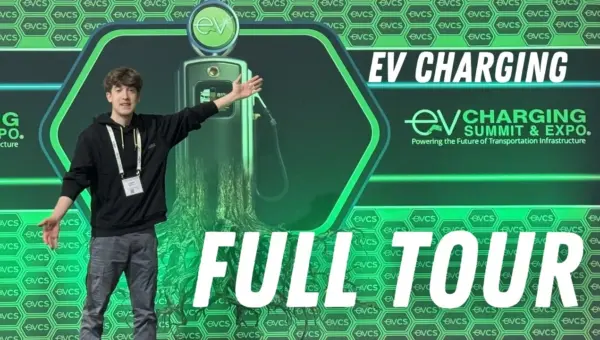
The 2026 EV Charging Summit in Las Vegas showcased significant advancements in charging technology, emphasizing reliability and driver convenience. Key players like SWTCH, XCharge, and Tesla unveiled solutions addressing connectivity issues, high-power charging, and new business models for deploying charging infrastructure.


Police Test EVs for Patrol Duty
The Gaingo Police Department is testing two electric vehicles, a Ford Mustang Mach E and an F-150 Lightning, to see if they can handle the demands of police work. Chief Nielsen highlighted concerns about battery life, charging times, and vehicle durability for patrol duties.
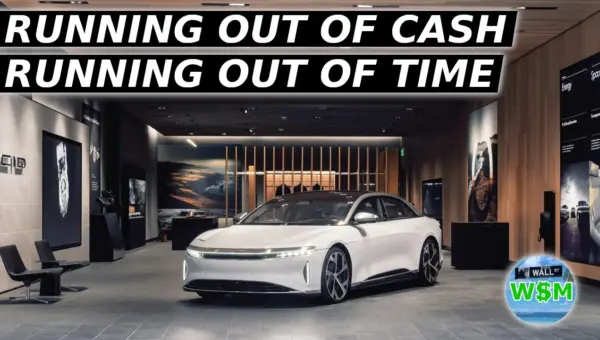
Lucid’s Profitability Path Faces Steep Hurdles
Lucid Motors faces significant financial headwinds, with a 96% stock decline since going public. The company's plan to reach profitability by 2030 relies on launching cheaper EVs and advancing autonomous driving, but faces challenges from low sales, high production costs, and uncertain market demand. Continued funding from the Saudi Arabian sovereign wealth fund is crucial for its survival.