German Artist Faces Trial in Russia for Putin Caricatures
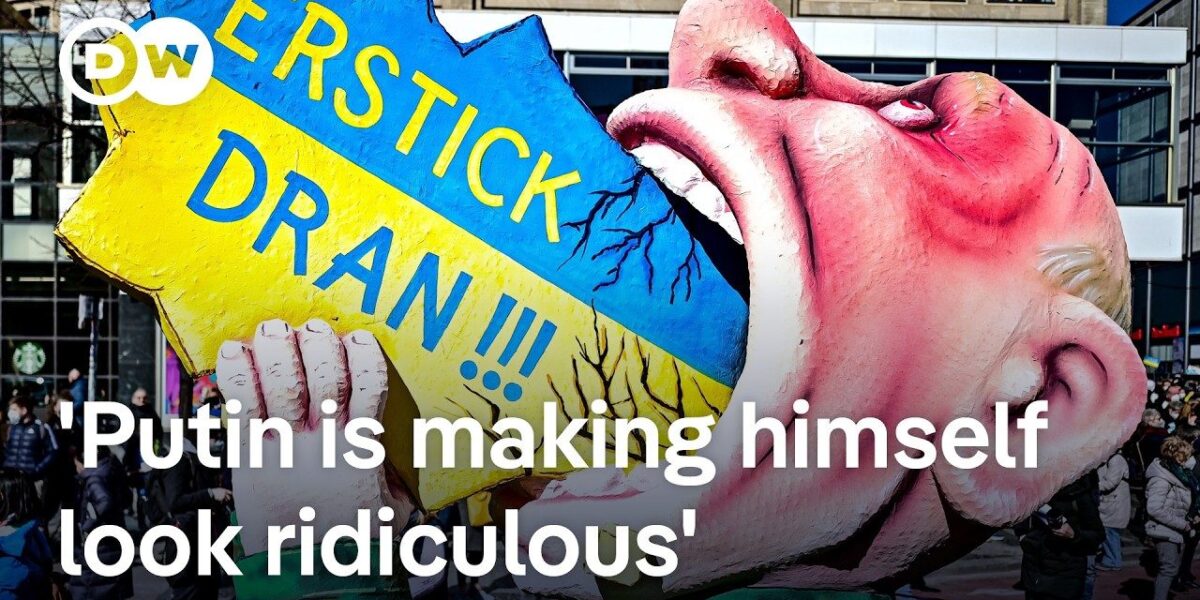
German artist Jacqu Tilly is being tried in absentia in Russia for allegedly defaming President Putin through satirical carnival floats. The trial, described as surreal, is seen as a symbolic warning to critics abroad, though Tilly remains defiant and protected by his presence in Germany.

German Artist on Trial in Russia for Defaming Putin
A German artist, Jacqu Tilly, is facing a trial in Russia on charges of defaming the Russian state and President Vladimir Putin through his satirical carnival floats. The trial is proceeding in his absence in Moscow, and while Tilly remains in Germany, he is beyond the reach of Russian legal jurisdiction. If convicted, he could theoretically face up to 10 years in prison.
A Tradition of Satire and Protest
Jacqu Tilly is renowned for his politically charged carnival floats, a tradition deeply rooted in German culture, particularly in the Rhineland, dating back to the 1800s. These parades have historically served as a platform to mock authorities and engage in public discourse. Tilly’s work, often created in secrecy in Dusseldorf’s Vagen Bao Hala, aims to be accessible to a broad audience, using simple, recognizable imagery to comment on global political figures and debates.
“I look at the political debate, but I’m not creating work just for an educated elite. It speaks to everyone. I need simple images and instantly recognizable figures,” Tilly explained regarding his artistic approach.
Putin as a Recurring Target
President Vladimir Putin has been a frequent subject in Tilly’s satirical art. In December 2025, Russian authorities formally accused Tilly of discrediting the Russian army and spreading false information, charges that carry significant prison sentences. This marks the first instance of Russia putting a German citizen on trial in absentia for artwork created within Germany.
Tilly has expressed his defiance, stating, “Of course, we’ll keep going. We can’t let ourselves be intimidated. That’s the whole point of the trial: to scare people, to silence them, to make them tone down their criticism. I can’t give into that. Absolutely not. That would be absurd. Because this isn’t just an attack on me. It’s an attack on the freedom of all of us.” He also noted his lack of official communication from the court, saying, “I haven’t received a letter, a summon, an invitation, not even a phone call from my supposed court-appointed lawyer. Nothing at all.”
A Surreal and Symbolic Trial
DW correspondent Nicholas Counter, reporting from Riga, described the trial as “completely surreal and a bit of a farce.” He highlighted the repeated postponements, including one allegedly due to the defense lawyer being on a business trip. The absence of key witnesses has led to several delays, suggesting that even the Russian judicial system may not be treating the case with full seriousness, viewing it more as a symbolic gesture.
“By now, I find the trial almost amusing. Putin is making himself look ridiculous, lashing out at Papia Mâé figures with the full force of the courts and of the state. He’d rather take a swing at the figures himself.”
Jacqu Tilly
Counter suggested that the trial serves as a warning from Moscow to critics beyond Russia’s borders, aiming to deter individuals from challenging the official Russian narrative or making light of its institutions, including the government and the Orthodox Church. This aligns with a broader trend of repressive domestic policies being projected internationally, as seen in the recent sentencing of a Russian comedian to six years for a joke made during a stand-up routine.
Freedom of Movement and Future Implications
While Tilly remains undeterred and committed to continuing his satirical work, the legal uncertainty poses potential challenges to his freedom of movement. German authorities have advised him against traveling to countries with extradition agreements with Russia. Similar situations have arisen for other artists and comedians who have faced repercussions, such as being labeled foreign agents or being barred from entering countries due to Russian government intervention.
The Russian case against Jacqu Tilly is pending, with the floats that sparked the charges having been dismantled the day after the parade. The prolonged legal uncertainty underscores the lengths to which Russia may go to silence dissent and project its influence globally, even against artists working in democratic nations.
What’s Next?
The ongoing trial, despite its surreal nature, highlights the increasing extraterritorial reach of Russian legal and political pressure. Observers will be watching to see if the Russian authorities pursue further actions against Tilly or other international critics, and how democratic nations respond to such extraterritorial legal challenges aimed at suppressing free expression.
Source: Carnival artist put on trial for 'defaming the Russian state' | DW News (YouTube)

Related Articles

Trump’s Putin Stance: US Strategy and Global Implications
Analysis suggests Donald Trump's approach to the Ukraine war involves pressuring Kyiv, but US involvement is crucial for resolution. China's influence and the 'MAGA' agenda's geopolitical implications are key factors.

Melania Trump’s Quiet Diplomacy on Ukraine War
Former First Lady Melania Trump has emerged as an influential, though unofficial, voice on the Ukraine war, reportedly shaping her husband's perceptions and engaging directly on humanitarian issues like the deportation of Ukrainian children. Her advocacy, possibly influenced by her European background, has drawn international attention and sparked unique reactions, including widespread social media support from Ukrainians.

Iran’s Regime Under Siege: Attacks Cripple Leadership, Impact Russia
Iran's regime is reportedly facing critical blows from targeted attacks, crippling its leadership and severing a vital military supply line to Russia. This dual pressure is significantly impacting Russia's war efforts in Ukraine, while internal dissent grows within Iran.