Georgia, Wisconsin Votes Signal Voter Mood
Voters in Georgia and Wisconsin are heading to the polls for special elections that could signal voter sentiment ahead of the midterm elections. A special runoff in Georgia and a critical state Supreme Court race in Wisconsin are closely watched for early indicators of the political mood.

Georgia, Wisconsin Votes Signal Voter Mood
Voters in Georgia and Wisconsin are heading to the polls today. Their choices could offer early clues about how people are feeling before the big midterm elections later this year. These elections are often seen as a test of the current president’s popularity and the direction of the country.
Georgia Special Election: A Glimpse into a Red District
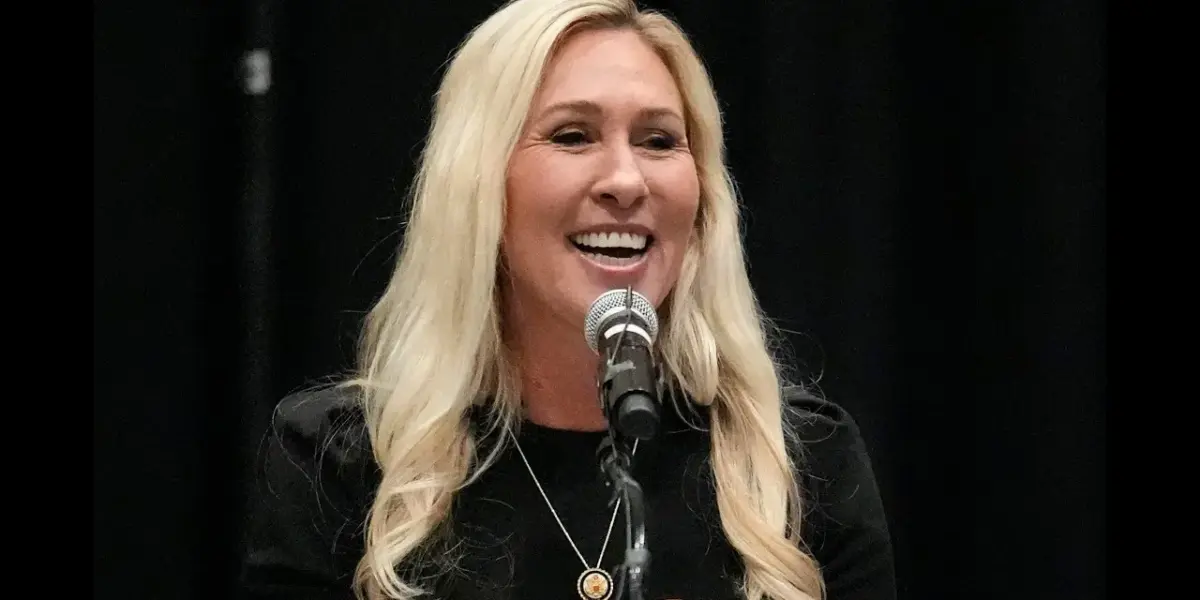
In Georgia, a special election is taking place. Voters are choosing who will fill the seat left by former Congresswoman Marjorie Taylor Greene. This seat is in a district that strongly favors Republicans. The runoff election pits Republican Klay Fuller against Democrat Shawn Harris.
Shawn Harris is a retired Army Brigadier General and a cattle rancher. He is running on a platform of challenging what he calls out-of-touch politicians. This applies to politicians from both major parties. Klay Fuller, on the other hand, has the endorsement of former President Donald Trump. He is expected to do well in the district, which Trump won by a significant margin in 2024. Marjorie Taylor Greene resigned from Congress in January. The person elected today will serve until next January. Importantly, both Fuller and Harris have already signed up to run in the regular primary elections for this fall. This means today’s vote is just one part of the ongoing political contest in this district.
Wisconsin Supreme Court Race: A Battle for Judicial Control
Meanwhile, in Wisconsin, voters are deciding a crucial Supreme Court race. The outcome of this election could significantly change the state’s judiciary. The race is between Democrat-backed Chris Taylor and Republican-backed Maria Lazar. Both candidates are currently serving as appeals court judges.
Chris Taylor, a former Democratic legislator, has focused her campaign on abortion access and economic issues. These are key topics for many voters. Maria Lazar, also an appeals court judge, has defended her pro-life stance. She has also highlighted her judicial experience gained during the term of former Governor Scott Walker. If Taylor wins, it would give the liberal side a 5-2 majority on the Wisconsin Supreme Court. This would give them more power to shape legal decisions in the state for years to come.
Why This Matters
Elections like these, even special elections or state-level contests, are important for several reasons. They act as early testing grounds for political messages and candidate appeal. The results can signal which issues are resonating most with voters. For example, the focus on abortion access in Wisconsin shows how the overturning of Roe v. Wade continues to be a major driver of political engagement.
In Georgia, the dynamics of a deep-red district highlight the influence of party loyalty and endorsements from national figures like Donald Trump. The fact that both candidates are already looking ahead to the fall primaries shows the continuous nature of political campaigning in many areas. It suggests that today’s election is not just about filling a seat, but also about building momentum for the larger battles ahead.
Historical Context and Background
Special elections have historically been watched closely for signs of voter sentiment. They often occur when a politician resigns or passes away unexpectedly. These elections can sometimes serve as a referendum on the current national political mood. For instance, a party that is not in power nationally might see its candidates perform surprisingly well in special elections, indicating voter dissatisfaction with the party in power.
State Supreme Court races, like the one in Wisconsin, are also becoming increasingly significant. These courts often make decisions on critical issues that directly impact citizens’ lives, such as voting rights, environmental regulations, and reproductive rights. The partisan nature of these races, with candidates backed by the state’s Democratic and Republican parties, shows how even judicial elections can become politicized. This trend has been growing over the past few decades as more emphasis is placed on the ideological makeup of the courts.
Implications, Trends, and Future Outlook
The results from Georgia and Wisconsin will be analyzed for what they say about voter turnout and the key issues driving people to the polls. If Democrats perform well in these races, it might suggest that concerns about issues like abortion rights are motivating their voters. If Republicans do better, it could indicate that economic worries or other concerns are taking precedence.
The trend of highly polarized elections, even at the state and local levels, is likely to continue. The influence of national political figures and national issues will probably remain strong. As we look towards the midterm elections, these local contests offer valuable insights. They help political strategists and observers understand the mood of the electorate. The coming months will show if the trends seen today will carry over into broader national contests.
Source: Voters in Georgia, Wisconsin Head to Polls (YouTube)

Related Articles


Trump’s Iran Deal: Bold Tactics Yield Fragile Peace
A panel discusses President Trump's Iran ceasefire deal, a special election in Georgia, the DOJ's renewed fight against fraud, and Trump's relationship with Hungarian Prime Minister Viktor Orbán. Analysts debate Trump's negotiation tactics, the implications of the Georgia race, and the U.S.'s foreign policy stance.


Trump’s MAGA Allies Now See His Failings
As Donald Trump faces growing criticism, even his former MAGA allies are starting to voice regret. Confusing messages on foreign policy and the handling of sensitive issues like the Epstein files are causing voters to question his leadership. This shift could significantly impact future elections.
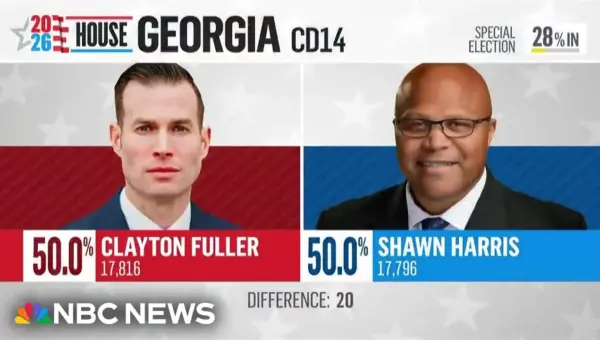
Georgia Runoff Tightens as Early Votes Favor Democrats
Georgia's 14th Congressional District runoff election is unexpectedly tight as early voting results show a near tie between Republican Clay Fuller and Democrat Shawn Harris. The outcome could signal shifts in voter energy and impact the balance of power in the House.