Geopolitics Spark Market Fears, Crypto Faces Uncertainty
Geopolitical tensions are creating supply and financing shocks, potentially leading to a broad market repricing. Analyst Ran warns that disruptions to energy, shipping, and production are escalating risks for crypto and global markets, suggesting investors may be underestimating the duration of these pressures.

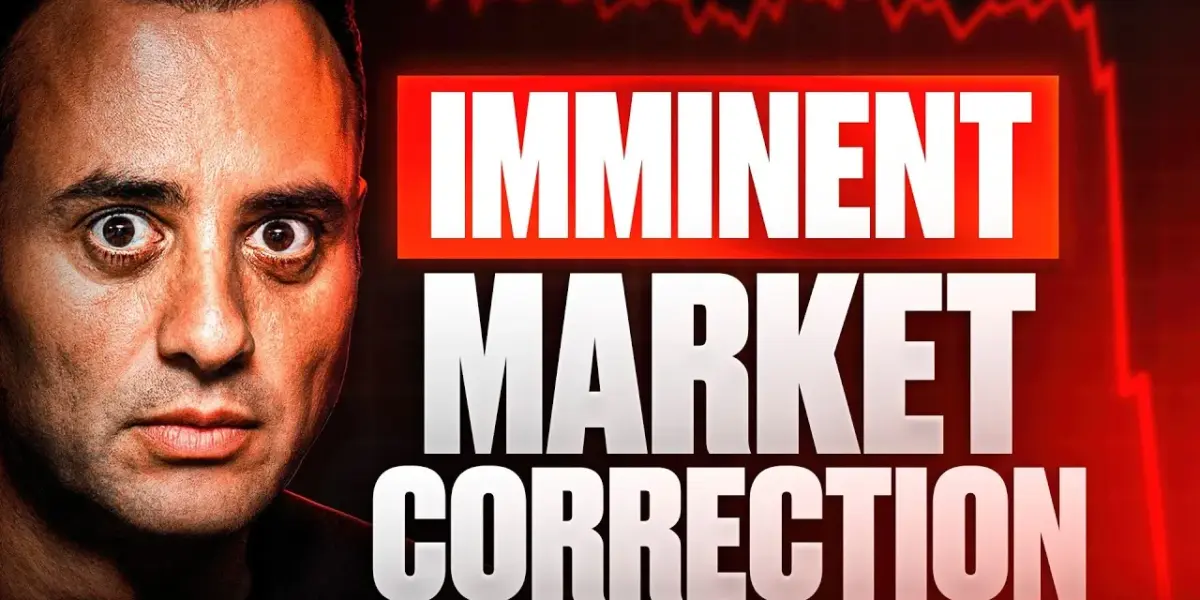
Geopolitical Shocks Ripple Through Markets, Crypto Faces Uncertainty
Global markets are increasingly vulnerable to a confluence of geopolitical tensions that are no longer confined to mere headlines but are manifesting as tangible shocks to supply chains and financial systems. Analyst Ran highlights that disruptions in energy flows, critical shipping routes, and regional production capabilities are poised to trigger a significant repricing across various asset classes, including cryptocurrencies, stocks, and the broader global economy. With oil prices directly influencing inflation and interest rate policies, the risks for digital assets and traditional markets are escalating. The core question remains: are markets underestimating the potential duration and severity of these pressures, and has a correction countdown already begun?
The Interconnectedness of Global Shocks
The current market environment is characterized by a complex interplay of geopolitical events that are having a profound impact on economic stability. Ran’s analysis points to a critical juncture where these tensions are translating into real-world economic consequences. Disruptions to energy supplies, for example, can lead to price spikes that feed directly into inflation metrics. This, in turn, puts pressure on central banks to consider or implement tighter monetary policies, such as raising interest rates. Higher interest rates generally make riskier assets, like cryptocurrencies and technology stocks, less attractive as investors seek safer havens for their capital.
Furthermore, the impact extends to global shipping and trade routes. Conflicts or instability in key regions can impede the movement of goods, leading to shortages, increased transportation costs, and further inflationary pressures. This disruption to the intricate web of global commerce creates a ripple effect, impacting manufacturing, consumer prices, and overall economic growth. The interconnected nature of the global economy means that localized geopolitical events can quickly escalate into systemic risks, affecting markets far beyond the immediate geographical area.
Crypto’s Vulnerability in a Risk-Off Environment
Cryptocurrencies, often perceived as a high-growth, high-risk asset class, are particularly sensitive to shifts in market sentiment and macroeconomic conditions. In an environment where geopolitical uncertainty drives investors towards perceived safety, speculative assets like Bitcoin and altcoins can experience significant outflows. The correlation between crypto markets and traditional risk assets, such as the Nasdaq Composite, has often been observed, suggesting that crypto does not always act as an independent safe haven, especially during broad market downturns.
The potential for a ‘risk-off’ environment, where investors divest from assets perceived as volatile, poses a direct threat to crypto valuations. If inflation remains stubbornly high due to supply shocks, and interest rates continue to climb, the cost of capital increases, making it more expensive for crypto projects to raise funds and for individuals to invest. This scenario could lead to a prolonged period of price stagnation or decline for many digital assets, even those with strong underlying technology or adoption potential.
Market Underestimation and the Correction Countdown
A key concern raised is the possibility that financial markets are currently underestimating the persistence of these geopolitical-driven economic pressures. Historically, markets have a tendency to price in events too quickly or too slowly, leading to periods of volatility and mispricing. If the current geopolitical situation leads to a sustained period of supply constraints and inflationary pressures, the market’s current expectations for economic recovery and interest rate paths could prove to be overly optimistic.
This potential underestimation is what fuels the idea of a ‘correction countdown.’ A correction, typically defined as a 10% or more decline from recent highs, can be triggered by a variety of factors, but sustained macroeconomic headwinds are a significant catalyst. The ongoing geopolitical instability creates a heightened risk of such an event, as it introduces unpredictable variables that can rapidly alter the economic outlook. Investors are advised to closely monitor developments in energy markets, shipping, and regional conflicts, as these will likely be leading indicators of broader market sentiment and potential price adjustments.
Navigating the Uncertainty
In this volatile landscape, understanding the underlying economic drivers is crucial. The interplay between geopolitical events, inflation, interest rates, and asset prices creates a complex puzzle for investors. While specific price targets or trading volumes were not detailed in the provided context, the overarching message emphasizes a heightened level of market risk. As geopolitical tensions continue to evolve, their impact on global supply chains and financial markets will remain a critical factor influencing the trajectory of all asset classes, including the burgeoning cryptocurrency sector.
Source: Crypto & Markets Will Realize This Too Late… AGAIN! (YouTube)

Related Articles


Trump’s Iran Claims: Shocked or Deluded by War Games?
Donald Trump claimed surprise over Iran's actions in the Strait of Hormuz, but experts suggest retaliation was inevitable. Military war games likely predicted such a scenario, raising questions about the advice given to the President.


Israel’s Strategy Against Iran Revealed
Israel's strategy to counter Iran's nuclear ambitions and regional influence centers on containment, utilizing a mix of covert military actions, intelligence operations, and diplomatic pressure. Analysts highlight the growing urgency due to Iran's nuclear advancements, while also noting the persistent risk of escalation in the volatile Middle East.

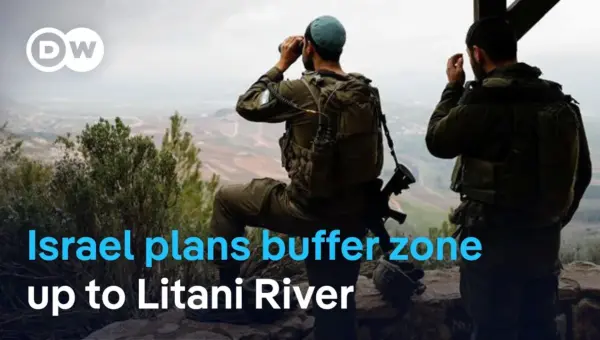
Israel Eyes Lebanon Buffer Zone: A Political Ploy?
Israel's military operations in southern Lebanon aim to create a buffer zone and pressure Hezbollah, according to expert Yazid Sayigh. He argues the strategy is more political than military, echoing historical tactics. The ongoing conflict could destabilize Lebanon further, while Hezbollah fights for survival.