Geopolitical Tensions Spark Market Volatility, Crypto Eyes Clarity
Geopolitical tensions surrounding potential US-Iran talks have caused significant market volatility, leading to a 'whipsaw effect' in stocks and Bitcoin. Investors are closely watching for de-escalation signs amidst a flight to cash, while the crypto industry awaits regulatory clarity in Washington D.C.

Geopolitical Tensions Spark Market Volatility, Crypto Eyes Clarity
Markets experienced a sharp, rapid swing recently, often called a ‘whipsaw effect,’ triggered by conflicting news regarding potential US-Iran talks. Initially, a statement suggesting productive discussions sent stocks like the S&P and Nasdaq, as well as Bitcoin, surging. However, this optimism quickly reversed when Iran denied ongoing negotiations, causing markets to fall back. This back-and-forth highlights the delicate balance investors are watching as geopolitical events unfold.
De-escalation Hopes and Market Reactions
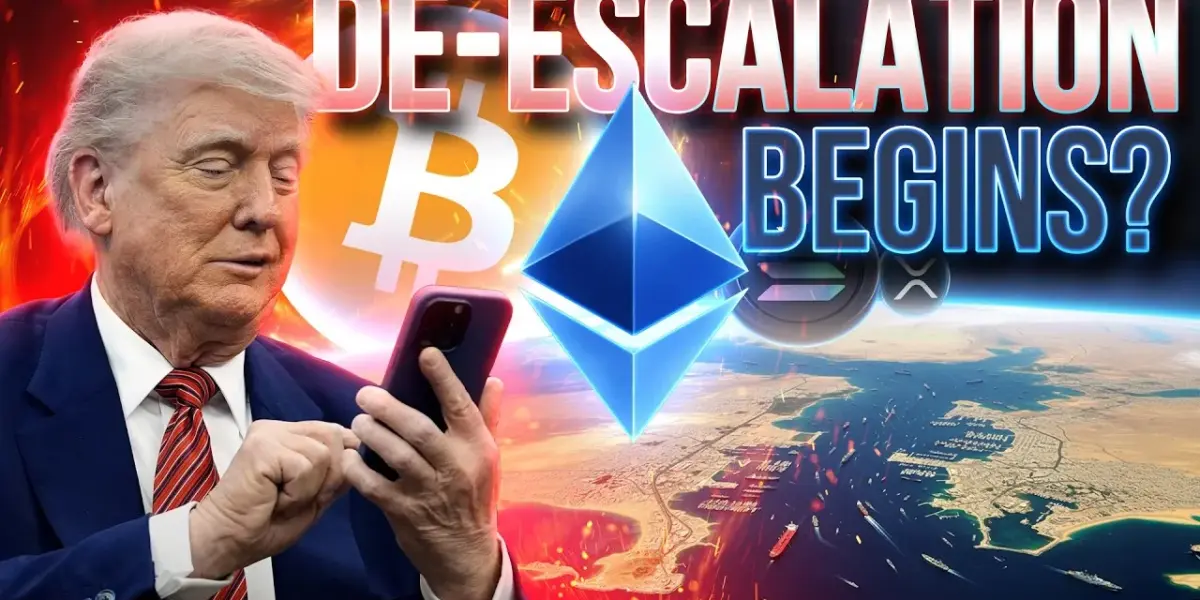
The initial surge was fueled by a statement from former President Trump indicating a desire for a deal and a potential five-day period for discussions. This news led to an instant market rally, with Bitcoin briefly climbing. However, Iran’s subsequent denial of negotiations led to a swift market correction. Analysts suggest this push-and-pull might be a strategy by both sides to maintain leverage while keeping communication channels open.
Further complicating the situation, reports emerged about potential US negotiations with Iran’s parliament speaker, though some believe this might be a tactic to help the US avoid direct military action. This follows a period where a 48-hour timeline for potential strikes on Iranian infrastructure was set and then seemingly withdrawn.
Investor Sentiment and Flight to Cash
Amidst this uncertainty, a notable trend has been a ‘flight to cash,’ where investors move their money into safer assets like cash, pulling back from riskier investments. This has led to significant drops in assets like gold and silver, which fell 6% and 8% respectively. Market watchers like Mohamed El-Erian noted this shift, emphasizing that cash has become the primary safe haven, contracting markets considerably.
The coming days are seen as critical for market direction. The key question is not only whether talks continue but also if key allies, like Israel, will support any de-escalation efforts. While uncertainty remains high, the possibility of de-escalation offers a more positive outlook than the immediate threat of wider conflict. The US is viewed as the main party that can declare victory, potentially leading to an interruption of escalating damage.
War’s Impact and Market Playbooks
The potential shift from mere disruption to long-term infrastructural damage, which could take years to repair, is a significant concern. Some analysts are viewing current events through a ‘conflict playbook,’ suggesting we might be in phases involving deal-making and narrative framing. This involves shaping public perception, such as framing the situation around preventing Iran from acquiring nuclear weapons, and potentially leading to a ‘violent repricing’ and political celebration.
Concerns about inflation are also rising, with predictions of higher prices for a temporary period. This has led to a reclassification of inflation from ‘transitory’ to ‘strategic.’ International calls for de-escalation are growing, with the UK and China urging a peaceful resolution as the crisis in the Strait of Hormuz intensifies. Israel, however, appears to be pushing for continued US involvement in the conflict.
Market Timing and Growth Opportunities
From a market perspective, timing is crucial. While geopolitical events can cause short-term setbacks, some strategists believe that, historically, markets tend to bottom early in conflicts. As the year progresses, the focus may shift from the immediate crisis to potential opportunities. Investors are advised to look for growth opportunities, with the S&P 500 being a key index to watch.
Despite a midterm election year often seeing market dips, the current market performance, down only 5%, is viewed by some as potentially complacent. In the past year, emerging markets and gold outperformed stocks, but with global growth concerns, the S&P 500 is seen as a potential growth driver.
Crypto Regulation and Future Clarity
In the cryptocurrency space, the focus is on regulatory clarity. Representatives from crypto firms are heading to Capitol Hill to discuss a long-awaited compromise on how crypto companies can interact with customers. A likely outcome could be a ban on passive yield on idle balances, which, if implemented, might be viewed as a victory by companies like Coinbase, allowing them to focus on other opportunities.
The crypto market’s future trajectory is tied to achieving this regulatory clarity. The ability to navigate these upcoming discussions and secure favorable regulations will be critical for the sector’s growth. As the market potentially moves past geopolitical disruptions, clear regulatory frameworks will be essential for sustained development and investor confidence.
Domestic Concerns and Economic Impact
Beyond international affairs, domestic issues are also impacting the economic outlook. The deployment of ICE officers at US airports, aimed at immigration enforcement, has led to significant disruptions and long TSA lines. This situation could put pressure on political parties, particularly in an election year, and negatively affect air travel, a key component of the US economy.
The political landscape remains sensitive, with ongoing challenges in passing legislation in Washington D.C. Even if agreements are reached, the implementation and broader economic impacts need careful consideration. The coming week is expected to be busy with these developments, requiring continuous monitoring of the evolving market and geopolitical situation.
Source: De-Escalation Imminent?📈Crypto Market Update🚨 (YouTube)

Related Articles
G7 Allies Clash Over Iran War Strategy, Urge Focus on Russia
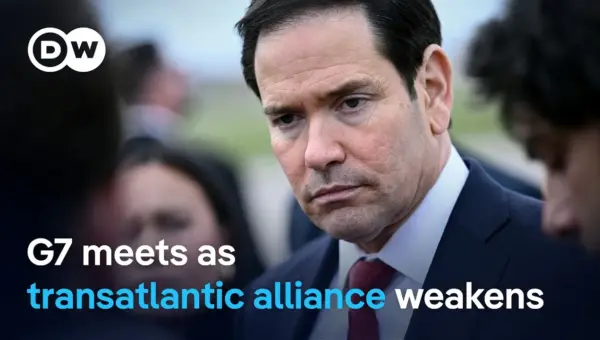
G7 foreign ministers met in Paris, revealing deep divisions over the U.S. war with Iran. European allies urged the U.S. to pressure Russia, linking its actions to the conflict and fearing support for Ukraine will wane.

Iran Blocks China Ships, Exposing Beijing’s Weak Grip
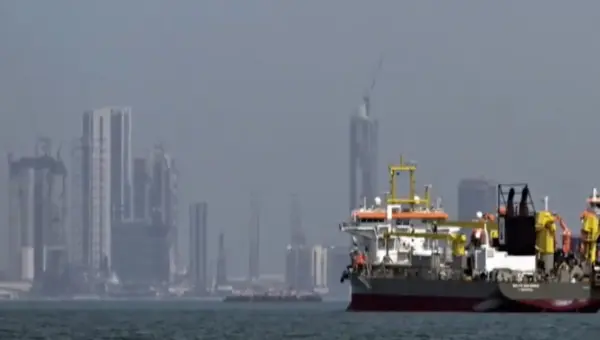
Iran's recent decision to block Chinese ships at the Strait of Hormuz is exposing the limits of Beijing's influence in the Middle East. This action is causing delays and cancellations for Chinese manufacturers, turning a perceived geopolitical win into an economic strain.
Trump’s “Walk Away” Tactic Signals Tougher Stance on China
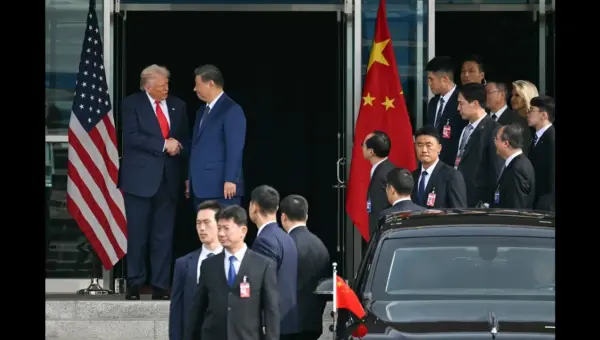
Retired Air Force Brigadier General David Stillwell believes President Trump's strategy of being willing to walk away from negotiations puts pressure on China. This tactic, combined with US global actions and strengthened alliances, signals a more assertive American foreign policy.