Geopolitical Shockwave: Bitcoin Flirts with $68K Amidst Middle East Tensions
Geopolitical tensions in the Middle East are causing significant market volatility, with Bitcoin trading around $68,000. Investors are flocking to safe-haven assets like gold and oil, while analysts debate Bitcoin's potential role as a geopolitical hedge. Upcoming economic data and central bank policies will be crucial in shaping market direction.

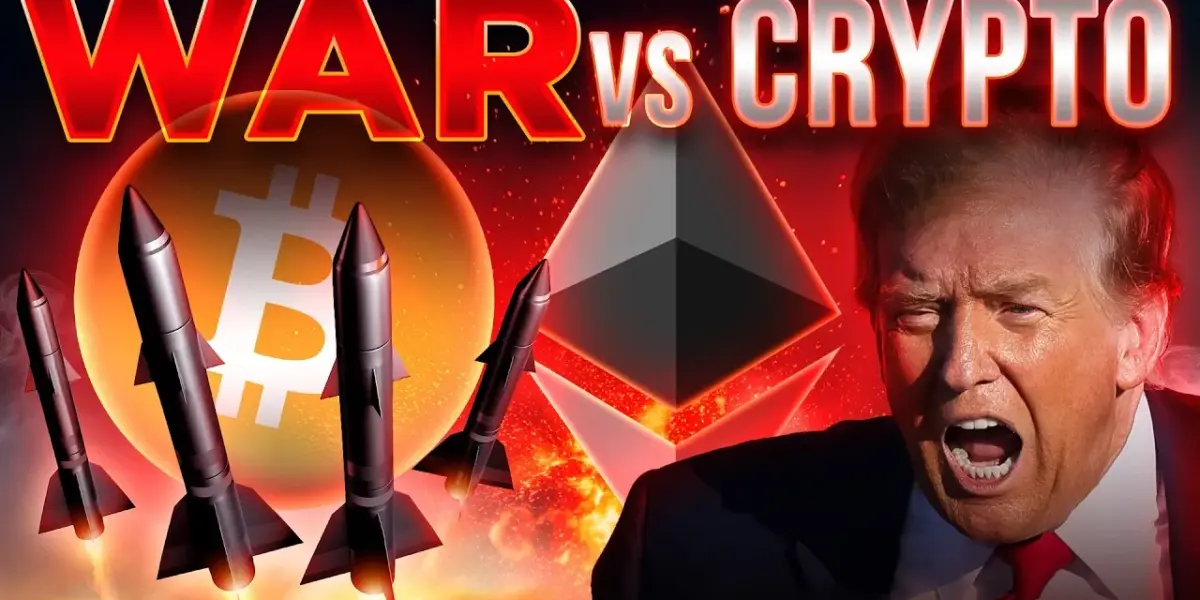
Geopolitical Tensions Spark Market Volatility, Bitcoin Hovers Near $68K
In the wake of heightened geopolitical tensions stemming from the US engagement with Iran, global markets are experiencing a significant period of volatility. Investors are grappling with uncertainty, seeking safe-haven assets while simultaneously evaluating the potential for risk-on opportunities. Bitcoin, the flagship cryptocurrency, is currently trading around the $68,000 mark, reflecting a dynamic market response to these global events.
Initial Market Reaction: Flight to Safety
The immediate reaction to the escalating conflict in the Middle East saw traditional safe-haven assets surge. Oil prices experienced a sharp increase of approximately 10%, while the US dollar strengthened. Dow futures opened down around 500 points, signaling investor apprehension. This initial movement suggested a preference for assets perceived as less risky during times of global instability.
Early sentiment, as indicated by market polls, leaned towards a potential market crash due to risk considerations. However, this outlook shifted, with gold and oil prices aligning in their upward trajectory. Gold futures rose significantly, surpassing the $5,200 and later $5,400 per ounce marks, indicating a strong demand for the precious metal as a store of value.
Economic Indicators to Watch This Week
The upcoming week is packed with crucial economic data releases that could further influence market sentiment. Key reports include:
- March 2nd: ISM Manufacturing PMI data, which, if positive, could signal economic strength.
- March 3rd: ADP Non-Farm Employment data. A softer-than-expected report could dampen market optimism.
- March 5th: Initial Jobless Claims, with expectations of a higher-than-anticipated figure given recent tech sector layoffs.
- March 6th: Non-Farm Payrolls and Unemployment data, which will provide a final snapshot of the labor market before key policy decisions.
The accuracy and implications of these employment figures are critical, especially as they can sometimes diverge, impacting the overall economic outlook.
Shifting Global Capital Flows: Gold’s Resurgence
A significant long-term trend highlighted is the continued accumulation of gold by foreign central banks. This strategic shift sees gold reserves surpassing US Treasury holdings for the first time in three decades. This sustained interest in gold underscores a broader global sentiment shift away from traditional US debt instruments towards tangible assets.
Energy Prices and Inflation Concerns
The conflict has also significantly impacted energy markets. UK natural gas prices (LNG) saw a substantial 23% increase, attributed to supply disruptions in the Middle East. Crude oil prices, including Brent crude, have also climbed, with an 8% rise noted over recent months and a spike into the $80 per barrel range. This surge in oil prices has direct implications for inflation, as a $10 increase in oil prices is estimated to contribute approximately 0.02% to inflation, according to Federal Reserve data. This correlation raises concerns about the Fed’s ability to consider interest rate cuts, especially with current inflation indicators potentially not fully reflecting the impact of rising energy costs.
Crypto’s Role in Geopolitical Shocks
Amidst this uncertainty, the role of cryptocurrencies, particularly Bitcoin, as a potential safe haven or risk-on asset is being closely examined. While historically Bitcoin has shown volatility, some analysts suggest it could outperform traditional assets like gold and stocks during geopolitical shocks, citing a BlackRock report. Arthur Hayes, a prominent figure in the crypto space, posited that the Middle East conflict could actually boost crypto by shifting risk asset sentiment. He pointed to historical patterns where Bitcoin has seen significant returns following periods of geopolitical stress.
However, the current market context for Bitcoin is complex. The cryptocurrency has logged its fifth consecutive red month, with discussions about a potential sixth. The last time this occurred was during the 2018-2019 period, which was followed by a substantial rally. Whether this pattern will repeat remains a key question for investors.
Economic Headwinds: Debt Delinquencies and Tourism Impact
Beyond geopolitical events, underlying economic concerns are also surfacing. Household debt delinquencies are reportedly rising, with a significant increase in severe derogatory credit hits projected for 2025 and 2026. This trend, coupled with potential impacts on the tourism and hospitality sectors due to reduced international travel, could present additional economic challenges.
While manufacturing remains a larger contributor to US GDP, the tourism and leisure industry employs a significant portion of the workforce. A substantial downturn in this sector, exacerbated by geopolitical instability and travel advisories, could have ripple effects across the broader economy.
Analyst Outlooks: Cautious Optimism
Market analysts offer mixed but cautiously optimistic outlooks. Tom Lee suggested that while markets may experience initial sell-offs due to conflict build-up, they tend to perform better once hostilities commence. He anticipates March could be an up month for the stock market, with potential bottoming for assets like software and cryptocurrencies.
Anthony Scaramucci raised concerns about a potential “capital boycott” of US markets, suggesting that investors might seek alternative destinations for their capital due to perceived unpredictability. However, the extent to which this sentiment translates into actual capital flight remains to be seen.
The Federal Reserve’s stance on interest rates is also a critical factor. With the likelihood of no rate cuts in March surging to over 95%, the market is pricing in a hawkish stance. However, persistent geopolitical pressures and their impact on oil prices could complicate the Fed’s decision-making, potentially forcing a reconsideration of rate cut timelines.
Conclusion: Navigating Uncertainty
The current market environment is characterized by a confluence of geopolitical risks, economic indicators, and shifting investor sentiment. While Bitcoin hovers around $68,000, its trajectory will likely be influenced by the evolving situation in the Middle East, upcoming economic data, and the broader monetary policy landscape. Investors are left to weigh the potential for safe-haven plays against the possibility of a risk-asset rebound, making this a critical period for market observation and strategic decision-making.
Source: WAR Panic! vs Crypto🔥Market Update🚨 (YouTube)

Related Articles

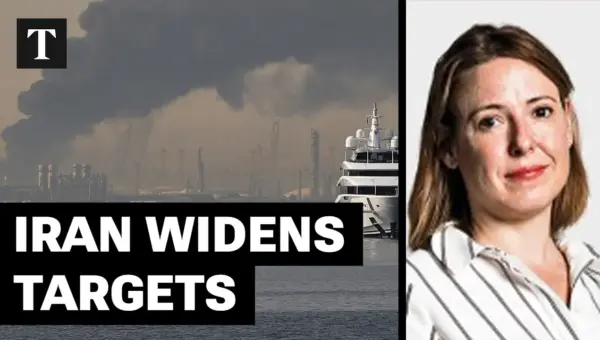
Iran Escalates Regional Attacks, Feeling ‘Nothing to Lose’
Iran is widening its regional attacks, driven by a "nothing to lose" mentality, according to Catherine Philp of The Times. The escalating conflict has seen Hezbollah engage in hostilities, drawing retaliatory strikes and increasing global oil prices. The U.S. and Israel are targeting Iranian leadership and military sites, while the response of Gulf nations remains a key uncertainty.

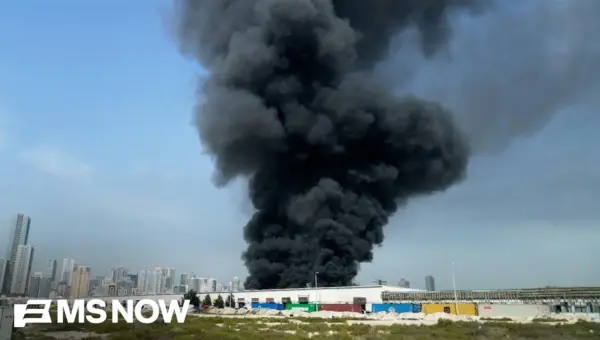
American Stranded in Dubai Fears for Safety Amid Iran Tensions
An American tourist celebrating her 30th birthday in Dubai was left stranded and anxious amid escalating U.S.-Iran tensions. Facing disrupted flights and intense fear, she detailed her ordeal and struggles to secure a direct flight home, highlighting the personal impact of geopolitical instability.

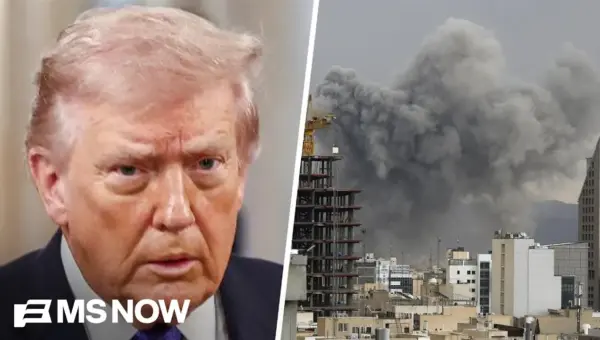
Retired General Slams Trump’s Iran Policy as ‘Political Mess’
Retired General Barry McCaffrey has condemned President Trump's approach to Iran as a "political mess," citing a lack of congressional authorization and diplomatic engagement. While commending the effectiveness of recent military strikes, McCaffrey emphasized the critical need for de-escalation and a return to nuclear talks.