Geopolitical Chessboard: China’s Global Maneuvers and Mounting International Tensions
China's global influence is under intense scrutiny following a series of significant events, from mass executions of Myanmar scam kingpins and a furious reaction to the Dalai Lama's Grammy award, to alleged illegal biolabs in the US and a contentious defense budget debate in Taiwan. These developments, alongside strategic trade deals with India and high-stakes diplomatic calls with Russia and the US, highlight Beijing's assertive posture and the mounting geopolitical tensions it generates worldwide.

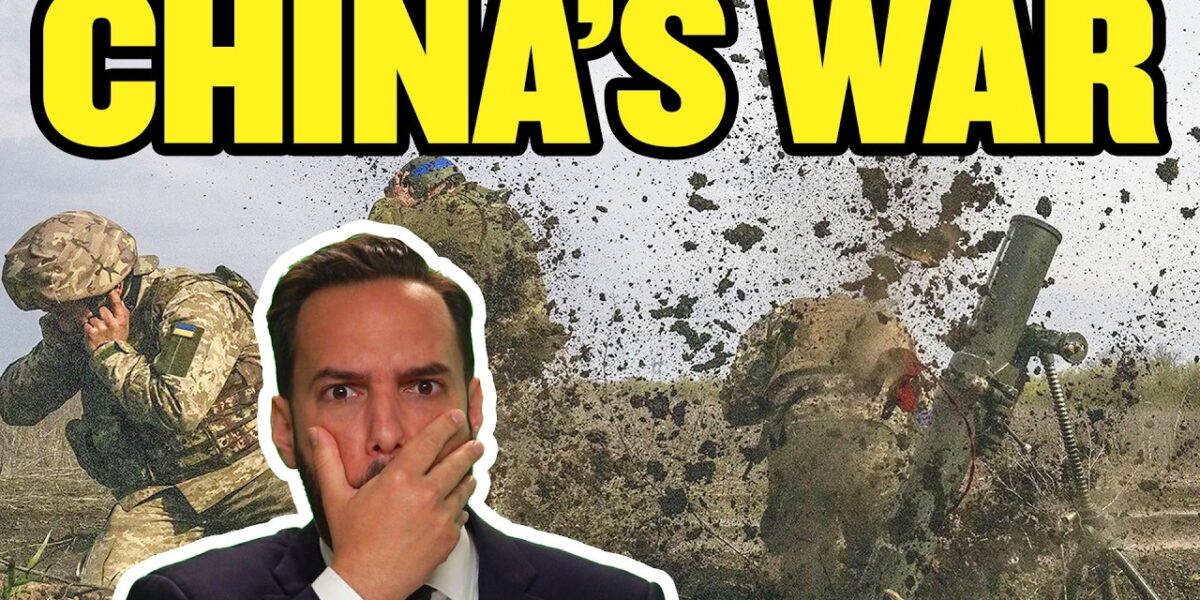
Geopolitical Chessboard: China’s Global Maneuvers and Mounting International Tensions
In an increasingly complex global landscape, China’s actions on both the domestic and international fronts continue to send ripples across continents, challenging established norms and reshaping geopolitical alliances. From controversial mass executions of cybercrime kingpins to a furious reaction over a Grammy award for the Dalai Lama, and from alleged illegal biolabs on American soil to high-stakes defense budget debates in Taiwan, Beijing finds itself at the center of a multifaceted international narrative. This week’s headlines reveal a nation asserting its power, navigating strategic partnerships, and frequently clashing with the West, underscoring a period of heightened geopolitical competition and shifting global dynamics.
The Iron Fist at Home and Abroad: Justice for Cybercrime & Political Outrage
Eradicating the Scam Empire: Myanmar Executions
In a rare and dramatic move, China recently executed 11 members of a Myanmar-based scam mafia, signaling Beijing’s severe stance against widespread online fraud operations that have plagued its citizens and generated billions of dollars. These executions mark a significant escalation in China’s efforts to dismantle sprawling scam centers located in Southeast Asian countries, particularly Myanmar, which have become notorious hubs for cybercrime.
For years, these complexes, often run by Chinese criminal syndicates, have operated with disturbing impunity. They are effectively prisons, luring mostly Chinese workers through deceptive employment advertisements. Once entrapped, these individuals are subjected to horrific conditions, including forced labor, beatings, and torture, with no means of escape. Their forced task: to execute sophisticated online scams targeting victims globally, predominantly within China itself. The sheer scale of these operations, generating billions of dollars, highlights a significant challenge to both regional stability and China’s internal security.
The Ming family, a prominent clan, was instrumental in transforming the town of Lao Kang into a bustling, yet illicit, urban center. This transformation saw the rise of numerous casino fronts, scam centers, and red-light districts, all under the control of organized crime. The Chinese Communist Party (CCP), while itself no stranger to control and surveillance, viewed these independent criminal enterprises as a direct challenge to its authority and a source of social instability, especially given the widespread victimization of Chinese citizens.
The turning point arrived in 2023 when an ethnic militia, engaged in Myanmar’s ongoing civil conflict, seized control of Lao Kang. This operation reportedly received covert support from the CCP, underscoring Beijing’s strategic interest in eradicating these criminal enclaves. The Ming family leaders were subsequently captured and handed over to Chinese authorities. Their trial in September resulted in a range of sentences, including capital punishment. These executions are the first of their kind for scam center bosses, indicating a new, more aggressive phase in China’s campaign against cross-border cybercrime, and signaling that more may follow.
The Dalai Lama’s Grammy and Beijing’s Fury
Beyond its internal crackdowns, China’s hypersensitivity to international recognition of figures it deems politically problematic remains a constant in its foreign policy. The recent Grammy award bestowed upon the Dalai Lama, the spiritual leader of Tibetan Buddhism, for his audiobook, "Meditations: The Reflections of His Holiness, The Dalai Lama," triggered an immediate and furious response from Beijing.
Despite the award being in the audiobook category for a work focused on spiritual reflection, China’s Foreign Ministry spokesman vehemently declared, "We firmly oppose relevant parties using art awards as a tool for anti-China political manipulation." This statement reflects Beijing’s long-standing policy of viewing any international acknowledgment or honor for the Dalai Lama as an endorsement of Tibetan separatism and a direct challenge to its sovereignty over Tibet.
The CCP has consistently depicted the Dalai Lama, who has lived in exile since 1959, as a dangerous separatist, despite his consistent advocacy for a "Middle Way" approach, seeking genuine autonomy for Tibet within China, not outright independence. Beijing’s reaction to an artistic award, particularly one for a work on meditation that cautions against ego and material possessions, highlights the deep-seated political anxieties surrounding the Dalai Lama’s global influence and moral authority. It underscores how even seemingly apolitical cultural events can become flashpoints in China’s assertive diplomatic posture, revealing its unwavering determination to control narratives related to its territorial claims and internal affairs.
Strategic Confrontations: Security, Trade, and Influence
Australia’s Port Dilemma: Darwin and National Security
Australia finds itself at a critical juncture regarding the future of its strategic Darwin Port, a key naval facility that was leased to a Chinese company, Landbridge Group, for 99 years in 2015. The $350 million deal, struck with the hope of revitalizing the port, has increasingly become a flashpoint for national security concerns, reflecting broader anxieties about China’s strategic investments in critical infrastructure globally.
Australian Prime Minister Anthony Albanese campaigned on a promise to reclaim control of the port. However, despite these intentions, several government commissions, including one initiated by his own administration, have reportedly found insufficient grounds to alter the existing deal. This legal and diplomatic quagmire highlights the complexities of unwinding long-term commercial agreements, even when geopolitical considerations shift dramatically.
China’s ambassador to Australia has sharply criticized Canberra’s moves, labeling them "unethical" and "no way to do business," further warning that China would "take measures to defend its interests." This assertive stance is characteristic of Beijing’s response to perceived challenges to its economic and strategic holdings. The Darwin Port situation is emblematic of a wider debate in the Indo-Pacific region concerning China’s expanding economic footprint, often viewed by Western allies as a potential Trojan horse for strategic influence or even military leverage. The incident tests Australia’s sovereignty and its commitment to national security in the face of significant economic and diplomatic pressure from its largest trading partner.
Unearthing Hidden Threats: The US Biolab Scare
The discovery of a suspected illegal biological laboratory with ties to China in a seemingly innocuous Las Vegas Airbnb rental home has ignited serious biosecurity concerns in the United States. This alarming find, unearthed by FBI and SWAT teams, revealed refrigerators and vials of unknown liquids, raising immediate questions about the nature and intent of such clandestine operations.
Investigators quickly established a link between the Las Vegas site and an ongoing federal case in California involving another illegal biological laboratory, also run by a Chinese citizen. In the California case, many vials were explicitly labeled with the names of various infectious diseases, pointing to potentially dangerous research. The Las Vegas discovery, however, reportedly featured unlabeled vials, suggesting that the operators may have learned from previous incidents and attempted to obscure their activities further.
The health implications of this discovery are profound. Reports indicate that several individuals who entered the Las Vegas house, including a house cleaner and a handyman, suffered respiratory issues, particularly after entering the garage where the biolab was located. While authorities have asserted that there is no immediate danger to the wider neighborhood, the presence of hazmat teams for an extended period underscores the gravity of the situation and the potential risks involved.
This incident fuels growing international anxieties about biosecurity, dual-use research (research with both benevolent and malevolent applications), and the potential for state-sponsored espionage or unauthorized biological activities. The use of an Airbnb rental for such a sensitive operation adds another layer of concern, highlighting vulnerabilities in current regulatory frameworks and the audacious nature of those willing to conduct such illicit activities on foreign soil. The ongoing investigation and testing of thousands of samples will be crucial in determining the full scope of this alarming discovery and its potential implications for public health and national security.
India’s Ascent: A New Balance in Global Trade
Amidst these geopolitical tensions, India is strategically positioning itself as a rising power, potentially gaining an upper hand over China through new trade and defense partnerships. The burgeoning relationship between India and the United States, particularly under a potential future Trump administration, signals a significant realignment in global economic and strategic alliances.
Former President Trump’s recent statements suggest a deepening of ties, with claims that Indian Prime Minister Narendra Modi agreed to cease purchasing Russian oil, instead opting for supplies from the US and potentially Venezuela. This shift, if realized, would have profound implications for global energy markets and for Russia’s war economy, which has relied heavily on Indian oil purchases since Western sanctions were imposed. Furthermore, Trump indicated that India committed to investing $500 billion into the US economy and agreed to lower tariffs on American goods to 18%, a significantly lower rate compared to the 34% tariffs currently levied on Chinese imports into the US.
This economic pivot is complemented by India’s expanding defense and trade partnerships with the European Union, solidified by agreements signed in recent months. These multifaceted alliances are poised to accelerate India’s economic growth and strengthen its strategic autonomy, reducing its reliance on China. As a key member of the Quad alliance (comprising the US, Japan, Australia, and India), India’s growing economic and military might is central to the broader Indo-Pacific strategy aimed at balancing China’s increasing influence. The concerted efforts to diversify supply chains, enhance energy security, and foster strategic partnerships underscore a deliberate strategy by the US and its allies to build a robust counterweight to Beijing’s regional and global ambitions, signaling a potential new era of competition and cooperation in the Indo-Pacific.
Regional Flashpoints and Diplomatic Chess Games
Financing Terror: The Spanish Hair Salon Case
The arrest of a Chinese hair salon owner in Spain on charges of financing Hamas adds another complex layer to the global fight against terror financing and raises questions about illicit financial networks with potential ties to China. Spanish police investigations traced approximately 31 cryptocurrency transactions, totaling nearly $715,000, from the suspect’s virtual wallets to addresses believed to be linked to the designated terrorist organization, Hamas.
The significant sum allegedly funneled through what appears to be a legitimate small business underscores the sophisticated and often clandestine methods used to finance terrorist activities. It also highlights the growing challenge of tracking cryptocurrency transactions in the context of money laundering and terror financing. While the direct involvement or knowledge of the Chinese state in this specific case remains unclear, the incident brings to light the broader issue of how illicit funds can traverse global financial systems, sometimes through unexpected channels.
China’s relationship with various Middle Eastern states is complex and often driven by economic interests, particularly energy. However, the international community maintains strict protocols against terror financing, and such arrests, regardless of the nationality of the perpetrator, serve as a stark reminder of the ongoing efforts to disrupt financial support for terrorist groups worldwide. The case will undoubtedly prompt further scrutiny of cryptocurrency flows and the potential for seemingly innocuous businesses to be exploited by illicit networks.
Taiwan’s Defense Crossroads: Internal Strife Amid External Threat
Taiwan, a democratic island nation facing persistent military threats from mainland China, finds itself in a precarious position as its parliament, controlled by opposition parties, has blocked an additional $40 billion in defense spending. This decision, made by the Kuomintang (KMT) and Taiwan People’s Party (TPP), has sparked outrage among US senators and raised serious concerns about Taiwan’s ability to deter a potential Chinese invasion.
While the opposition parties claim to support Taiwan’s national security, they have refused to offer what they term a "blank check" to the government. The KMT, in particular, has stated its desire to "de-escalate tensions with China" before a potential visit by former US President Trump, suggesting an appeasement strategy that has been widely criticized as naive or dangerous. Critics argue that such a stance fundamentally misunderstands Beijing’s unwavering ambition to reunify Taiwan with the mainland, by force if necessary.
US senators have expressed profound disappointment, with the chairman of the US Senate Armed Forces Committee emphasizing that the original proposal funded "urgently needed weapons systems." Republican Alaska Senator Dan Sullivan starkly warned on social media that "Shortchanging Taiwan’s defense to couch out to the Chinese Communist Party is playing with fire." President William Lai of Taiwan has also voiced grave concerns, stating that such delays could hinder military improvements and lead the international community to "misunderstand Taiwan’s determination to defend itself and to safeguard peace in the Indo-Pacific."
This internal political struggle comes at a time when China’s military modernization continues unabated, and its rhetoric regarding Taiwan remains increasingly aggressive. The decision to cut defense spending risks undermining Taiwan’s deterrent capabilities, potentially emboldening Beijing and complicating the strategic calculations of its international partners, particularly the United States, which is committed under the Taiwan Relations Act to assist Taiwan in maintaining its self-defense capabilities. The standoff highlights the delicate balance between domestic political maneuvering and the existential threat posed by an authoritarian neighbor.
The Ukraine War and China’s "Neutrality" Facade
China’s often-touted "neutrality" regarding the war in Ukraine continues to be scrutinized, particularly following a visit by Finland’s Prime Minister to Beijing. The Finnish leader expressed a belief that Chinese President Xi Jinping’s relationship with Russian President Vladimir Putin could provide leverage to influence Russia to cease its invasion. Simultaneously, the Prime Minister suggested that China’s support for Russia was weakening its ties with the European Union.
However, these assertions are met with considerable skepticism, especially given widespread reports that China has been effectively bankrolling Putin’s war effort, providing crucial economic and material support that allows Russia to circumvent Western sanctions. This alleged support, often disguised as legitimate trade, serves Beijing’s broader strategic goal of gaining advantage over the West and reshaping the international order.
The timing of the Finnish Prime Minister’s remarks, made during talks in Beijing aimed at increasing trade and economic cooperation, further complicates the narrative. It echoes similar visits by other Western leaders who, despite expressing concerns about Ukraine, prioritize economic engagement with China. This approach often leads to accusations of a double standard, where rhetorical condemnation of Russia is not matched by concrete actions against its primary enabler. China’s diplomatic posture, characterized by calls for peace while simultaneously strengthening ties with Russia, raises serious questions about its true intentions and its role as a potential "neutral arbiter." The ongoing war in Ukraine continues to test the resolve of the international community and exposes the complex, often contradictory, nature of global power dynamics.
High-Stakes Diplomacy: Xi’s Engagements with Global Powers
Forging Bonds: Xi and Putin’s Strategic Alignment
As the fourth anniversary of the Ukraine war approached, Chinese President Xi Jinping and Russian President Vladimir Putin engaged in a high-level phone call, underscoring the deepening strategic alignment between their two nations. Both leaders reportedly agreed on the necessity of working on a "grand plan for strengthening ties," emphasizing the importance of their relationship "given the current world situation."
This dialogue reaffirms the growing Russia-China axis, which has emerged as a significant counterweight to the Western-led international order. Their shared desire to challenge US hegemony, promote a multipolar world, and resist what they perceive as external interference in their domestic affairs forms the bedrock of their increasingly robust partnership. The call, coming at a critical juncture in global affairs, signals their intent to coordinate strategies on a range of issues, from economic cooperation to military exercises, further solidifying a bloc that aims to reshape global governance and security structures. The implications of this strengthened bond are profound, potentially leading to greater instability in existing geopolitical flashpoints and a more assertive stance against Western interests.
Navigating the US-China Divide: Trump’s Dialogue with Xi
In a parallel and equally significant development, Chinese President Xi Jinping also held discussions with former US President Donald Trump. Trump characterized the phone call as "positive," asserting that he maintains a "great relationship" with Xi. The conversation reportedly covered a wide array of critical global issues, including Ukraine, Iran, Taiwan, and various military and trade matters.
Xi Jinping, for his part, expressed a desire for the current year to be one of "win-win cooperation" between the CCP and Washington. This rhetoric, while seemingly conciliatory, often masks a deeper strategic competition. Trump’s past presidency was marked by a turbulent relationship with China, characterized by trade wars and increased geopolitical rivalry, yet also by personal diplomacy. The prospect of a potential return of Trump to the White House introduces an element of uncertainty into US-China relations, with some speculating that his transactional approach might lead to different outcomes compared to traditional diplomatic engagement.
The dialogue between Trump and Xi, despite their past clashes, highlights the enduring importance of direct communication between the leaders of the world’s two largest economies. However, the vast ideological differences, coupled with fundamental disagreements on issues like human rights, trade imbalances, and regional security, suggest that achieving genuine "win-win cooperation" will remain a formidable challenge. The future trajectory of US-China relations will undoubtedly continue to be a defining feature of 21st-century geopolitics, with profound implications for global stability and prosperity.
Conclusion
The events of this period paint a vivid picture of China’s multifaceted engagement with the world, characterized by both assertive actions and intricate diplomatic maneuvers. From its uncompromising crackdown on cybercrime to its hypersensitive reactions to cultural awards, and from its strategic investments to its alleged clandestine biological activities, Beijing is actively shaping its domestic environment and projecting its power globally. The unfolding dramas in Australia, India, Taiwan, and Ukraine underscore a global geopolitical chessboard where China is a central player, constantly testing boundaries and challenging established norms.
The convergence of these diverse headlines reveals a nation pursuing its interests with unwavering determination, often at odds with the international community’s expectations for transparency and cooperation. As global powers continue to navigate this complex terrain, the interplay of economic competition, national security concerns, and ideological differences ensures that China will remain a focal point of international attention, driving both conflict and cautious collaboration in the years to come.
Source: China Finally Got the War It Wanted (YouTube)

Related Articles

Trump: Iran Strikes Ahead of Schedule, Expects ‘Great Deal for World’
Three U.S. service members have been killed amid escalating conflict with Iran, President Trump confirmed. He stated that strikes are ahead of schedule, with senior Iranian leaders killed, and expressed optimism for a "great deal for the world" despite ongoing talks with Iranian officials.

Trump’s Putin Stance: US Strategy and Global Implications
Analysis suggests Donald Trump's approach to the Ukraine war involves pressuring Kyiv, but US involvement is crucial for resolution. China's influence and the 'MAGA' agenda's geopolitical implications are key factors.


US Strikes Iran: Mounk and Fukuyama Discuss Unpredictable Conflict
Leading political scientists Yascha Mounk and Francis Fukuyama analyze the recent US strikes on Iran, warning of unpredictable outcomes and internal instability. They question the objectives of the "war of choice" and its potential to destabilize the region, while also discussing the shifting global perceptions of Israel.